NBCUniversal Local is teaming up with hundreds of shelters across the country to host Clear The Shelters in August 2023, a nationwide pet adoption and donation campaign that helps find loving homes for animals in need. More than 860K pets have found their forever homes since 2015.
(From Humane Society of the United States) You’re driving your car when you see a dog or cat on the side of the road. With a sinking feeling, you realize they are alone. What should you do?
This is a wrenching scenario for all who care about animals. After all, what if your own pet were standing there? Use our guidelines for providing safe and effective help.
Don’t cause an accident
You can’t help an animal if you become injured in the process. Look in your rear-view mirror before braking, turn on your signal, pull your car completely off the road, turn off the ignition, set the parking brake, and put on the hazard lights. If you have emergency flares, prepare to use them.
Catch them safely
Safety first
A strange, frightened, and possibly sick or injured animal can behave unpredictably. A sudden move on your part, even opening your car door, can spook them and cause them to bolt—possibly right onto the highway. If the animal looks or acts threatening, or if you feel uneasy about the situation, stay in your car.
If possible, restrain the animal. Create a barrier or use a carrier, leash, piece of cloth, or length of rope to keep the animal in the area. Signal approaching vehicles to slow down if you cannot confine the animal, or divert traffic around them if they appear to be injured and is still on the roadway.
Use caution
Use caution when approaching the animal. Should you succeed in getting close enough to capture them, you stand a good chance of being scratched or bitten.
When moving toward the animal, speak calmly to reassure them. Make sure they can see you at all times as you approach, and perhaps entice them to come to you by offering a strong-smelling food such as canned tuna or dried liver.
Lure them into your car
If you are certain you can get help from animal control very soon, try to lure the animal into your car with food, close the door and wait for help. In most cases it isn’t a good idea to attempt to drive somewhere with a strange dog unrestrained in your car; they may become frantic or aggressive. Cats may do the same, as well as lodge themselves under the car seat, and it can be dangerous trying to extract them.
Call for backup
If you’re not able to safely restrain the animal, call the local animal control agency (in rural areas, call the police). Do so whether or not the animal is injured, and whether or not they are wearing an identification tag. Leave your phone number with the dispatcher, and try to get an estimate of how long it may take someone to respond. If possible, stay on the scene to keep an eye on the dog or cat until help arrives. Make sure you report to authorities precisely where the animal is by using road names, mile markers or landmarks.
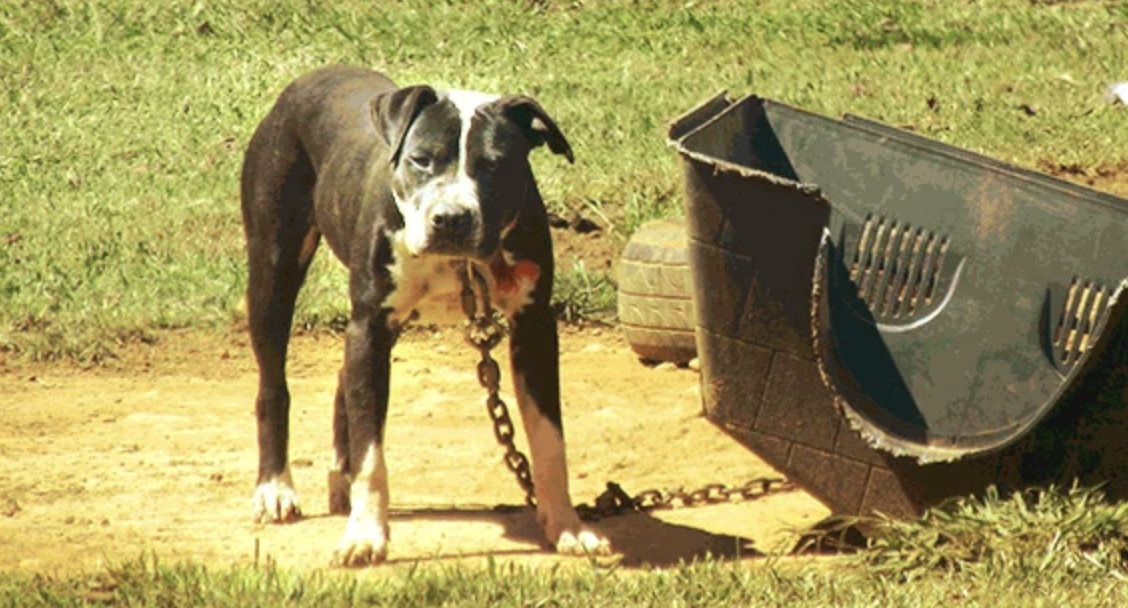
A woman on an online neighborhood site wrote about feeling helpless and concerned about a dog in her neighborhood that is chained 24/7. Well, she can. In many states—23 at last count—there are tethering laws. While laws vary from state to state, they generally specify the number of hours a dog can be chained/tethered; that it needs unencumbered access to adequate shelter, water, and food; and that it cannot be tethered in extremely hot or cold weather.
Call local animal control to request an anonymous animal welfare check (search: “find animal control near me”, or “animal control officer near me,” or “find SPSA”, or “find humane society”). If that yields nothing, call your local police and they will put in touch with the animal control officer. You will have to give your name but they never give your name or any information about you to the dog owner. You do not have to worry about retribution, and you will be helping a dog in need.
This photo of Gracie at the window on a snowy day gives me a sense of quiet, of peace. Maybe it’s the shades of blues of the late day light. Maybe it’s the warm comfort looking out on snow-draped trees, cup of tea in hand, the house quiet. Maybe its the stillness of the cat, observing.
Gracie sat at the window for some time, until the last bird departed the bird feeder, and then she sauntered off, blinking her greeting to me as she passed by.
All of us can make a difference for animals in our everyday lives, whether it’s by adopting a pet, choosing products not tested on animals, eating a humane diet or engaging your community in animal protection issues. With so many widespread problems facing animals, it takes all of our collective efforts to confront these cruelties and change things for the better.
Here are 50 ideas for ways you can help animals in your community and across the country. Please share this list with any of your friends and family members who are also interested in advocating for animal protection.
14. Join us in applauding pet stores that have taken a stand against puppy mills—support the more than 1,000 stores that have joined our Puppy-Friendly Pet Stores initiative. Encourage local stores that do sell puppies to stop.
27. Shop our Amazon storefront for branded apparel that lets you wear your support on your sleeve.
28. Purchase pet health insurance from Petplan and receive a 5% discount—and with each completed application, Petplan will make a $20 donation to our Humane Society Veterinary Medical Association’s Rural Area Veterinary Services program. Use code HSUS20.
Across the country, over a million animals live in facilities regulated by the U.S. Department of Agriculture—like dogs in puppy mills and laboratories or bears and primates in roadside zoos—and are suffering.
Public contact with wild animals compromises animal welfare, jeopardizes public health and safety and fuels the exotic pet trade. And puppies and kittens living in pet mills are often left in tiny cages with no stimulation or enrichment opportunities. That’s why we are encouraged by the USDA’s recent announcement that it plans to propose new rules that could improve conditions for animals used in roadside zoos, puppy mills, and research laboratories.
Please fill out the brief form to your congressperson by clicking on this link:
Juni, our rescue cat, a gentle creature by nature, was on the floor alongside me as I did my stretching exercises. My eyes were closed when I repositioned my arms and accidentally bumped Juni’s head. In response, she put a soft mouth on my hand—a gentle warning that she did not approve. She then chirped her disapproval—a verbal admonition. Next Juni gently licked my hand, reassuring me of her love. What a kind way of conveying and holding boundaries in a loving way.







 Untold Animal Stories