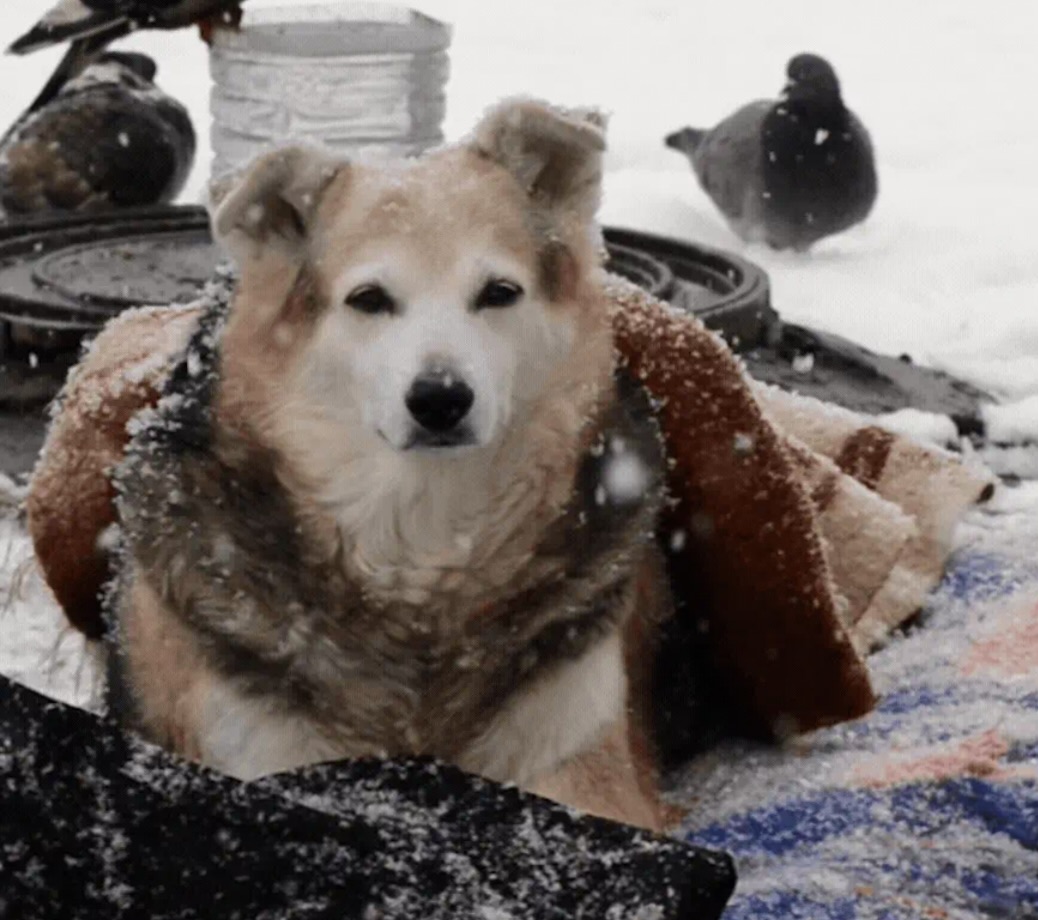
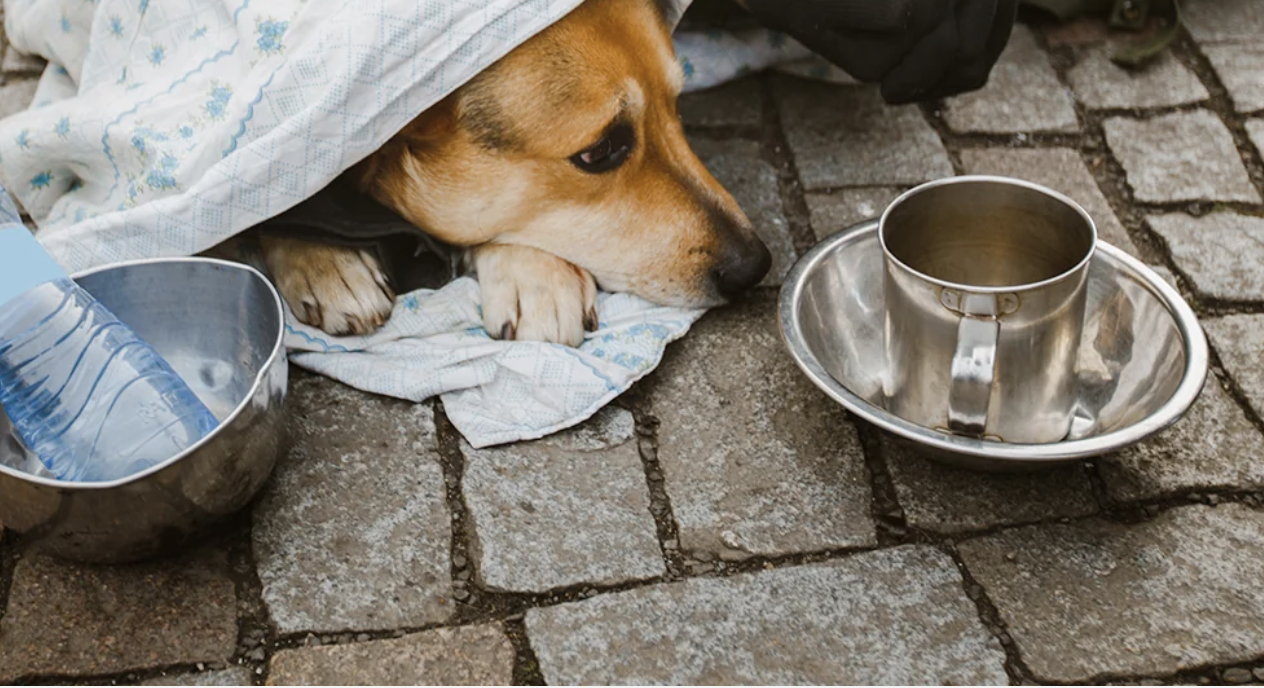
The organization is a good, credible one.

The organization is a good, credible one.
I really, really do not understand human cruelty to humans and to animals.
You can help. I just made a donation to this credible organization:
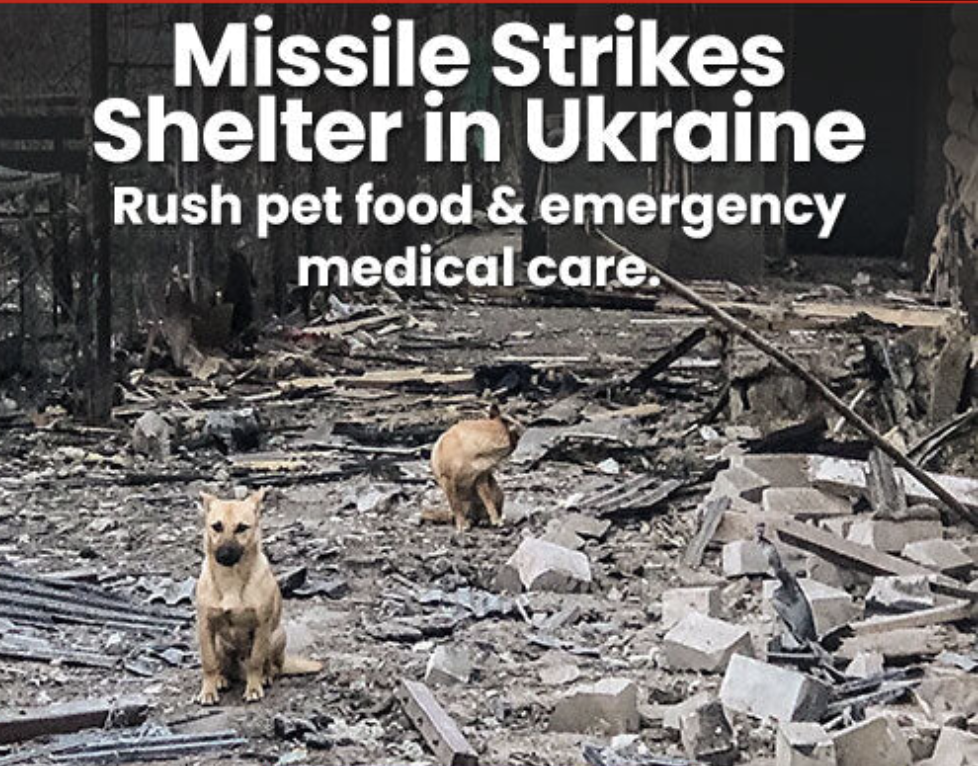
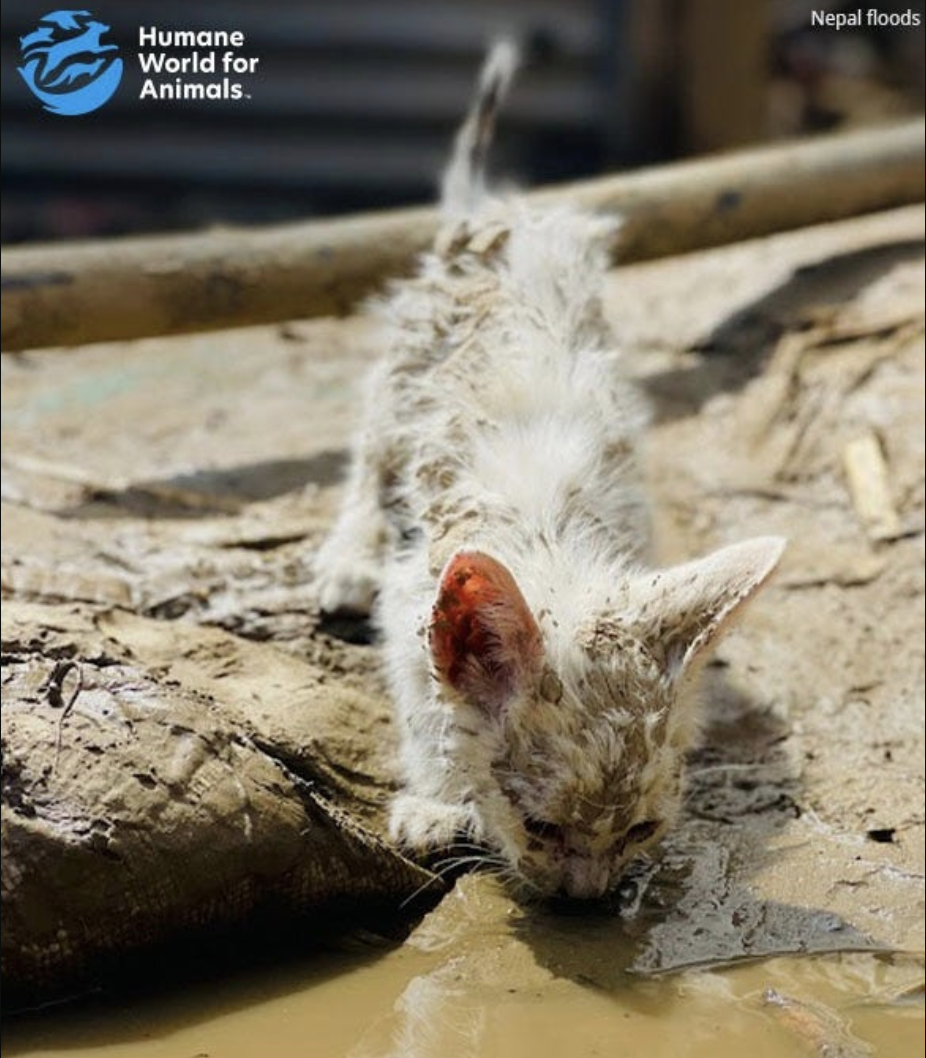
Photo credit: Humane World for Animals / Sneha’s Care
Humane World for Animals is seeking urgent support for animals affected by Nepal’s devastating floods and landslides
Animals in Nepal desperately need help right now.
Entire communities, villages and ecosystems have been destroyed by the devastating floods and landslides—leaving animals stranded, trapped in debris and separated from their families. We’re rushing emergency aid to our local partner for crucial supplies to treat injured animals and continuing to assess the most dire needs.
Please donate to our Emergency Animal Relief Fund HERE
Nick@HumaneWorld
* The Humane Society of the United States and Humane Society International united under the name Humane World for Animals
The moral distance between animals and our plates
https://thekindlife.substack.com/p/should-i-eat-meat
Humans occupy a position of extraordinary power over other animals. We decide whether they are bred, confined, transported, killed, and eaten. Most people I know eat meat, at least occasionally. Perhaps they don’t let themselves think about what the animal might have endured on the journey to their plate. Perhaps they’ve considered it and don’t care. Perhaps they live somewhere between indifference and discomfort, and do it anyway.
My mom was a dedicated animal lover, yet she ate meat daily. When I asked her how eating animals fit with her love for animals, she breezily replied, “Oh, I just don’t think about it.”
We humans seem especially adept at pursuing self-interest while shutting out inconvenient realities that expose the conflict between what we do and the values we claim to hold.
It’s a lot easier not to trouble ourselves with thoughts about how our actions directly contribute to the suffering of other sentient beings. But I think we should.
“But the Animal is Already Dead”
One argument I’ve heard is, “Well, the animal is already dead. I’m not killing it.” But the animal’s death is not disconnected from the decision to buy meat. Supply and demand link consumer choices to what producers continue to supply. If fewer people chose to eat meat, fewer animals would be slaughtered.
So, yes, by eating meat, you are contributing to a system that breeds, confines, and kills animals for food, causing them fear, deprivation, and suffering in the process.
Over the course of a human lifetime, meat eaters eat an average of 2,000–2,600 chickens, 25–35 pigs, and 10–15 cows. The exact number will differ according to a person’s diet, but the moral point remains: these are not abstractions. These are thousands of individual animals, and suffering occurs one individual animal at a time.
Convenience, Need, and Want
There is an important difference between convenience, need, and want. For most people with regular access to ordinary grocery stores, eating animals is not a necessity. Beans, lentils, grains, potatoes, nuts, tofu, eggs, etc. are generally inexpensive, accessible foods that make satisfying and healthy meals.
Of course, people’s circumstances differ. But finding a change difficult is not the same as having no alternative. For many people, meat is not a need. It is a preference—often a deeply familiar and socially reinforced one, but a preference nonetheless.
When we can reduce suffering without sacrificing adequate nourishment, our preference for convenience and taste deserves moral scrutiny.
Looking Them in the Eye
Much of what allows people to eat animals without confronting the moral weight of it is distance. The animal is no longer seen as a living individual. Their body has been has been cut apart, packaged, refrigerated, and transformed into a product. Someone else bred them, confined them, transported them, and killed them.
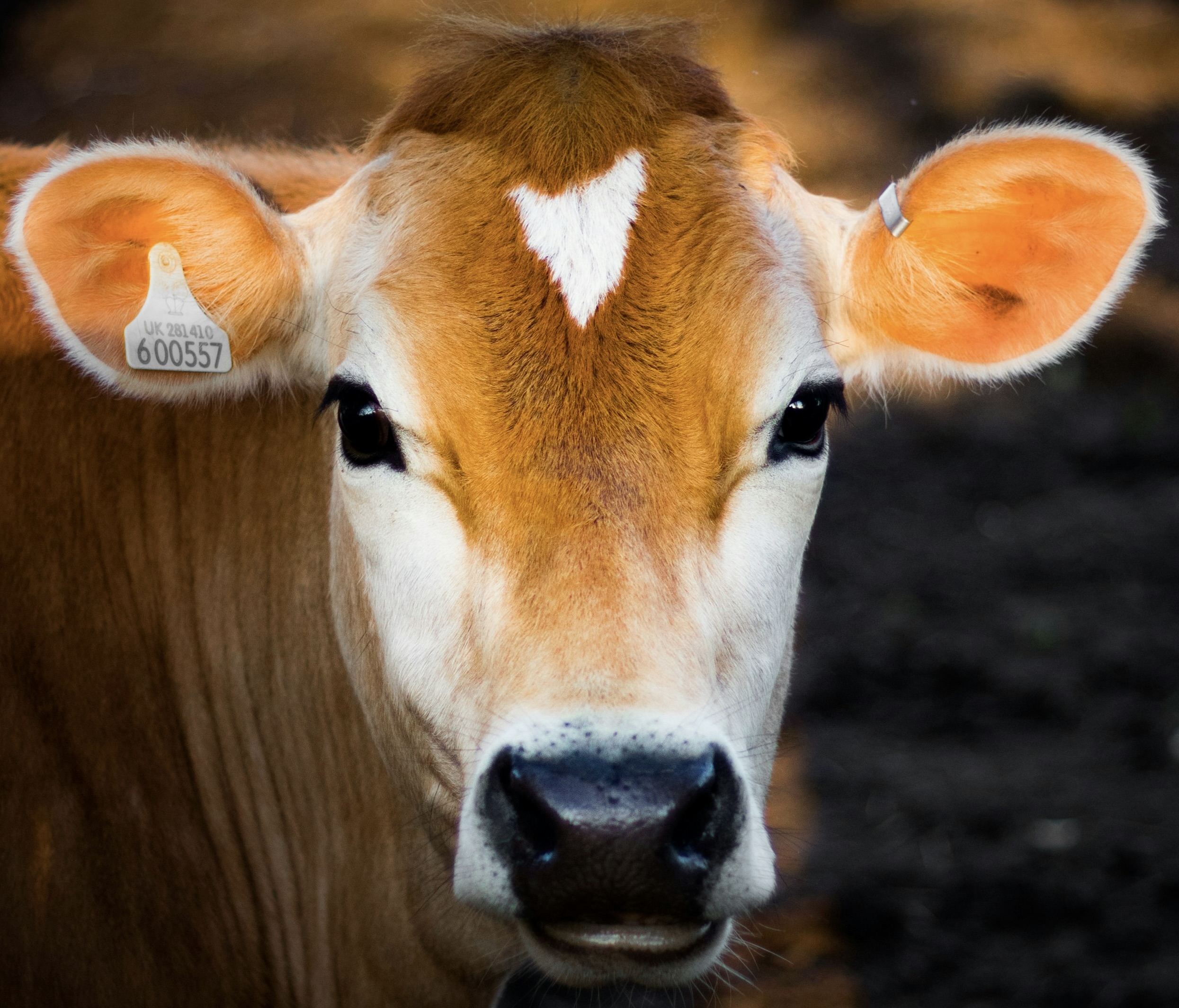
Could you look that cow in the eye and kill and eat her? Could you look a chicken or pig in the eye and do the same?
If we are unwilling to look an animal in the eye and take their life ourselves, perhaps we should not be so comfortable outsourcing that violence to someone else.
Compassion becomes real when it changes what we do
Choose one meal—or one week—in which you do not eat animals. Do it as an honest experiment: a chance to notice what is habit, what is convenience, what you genuinely need, and what alternatives are available to you.
Photo courtesy of Luke Stakepoole on unsplash.com
Why the near-total opening of national wildlife refuges to hunting and fishing demands a public response

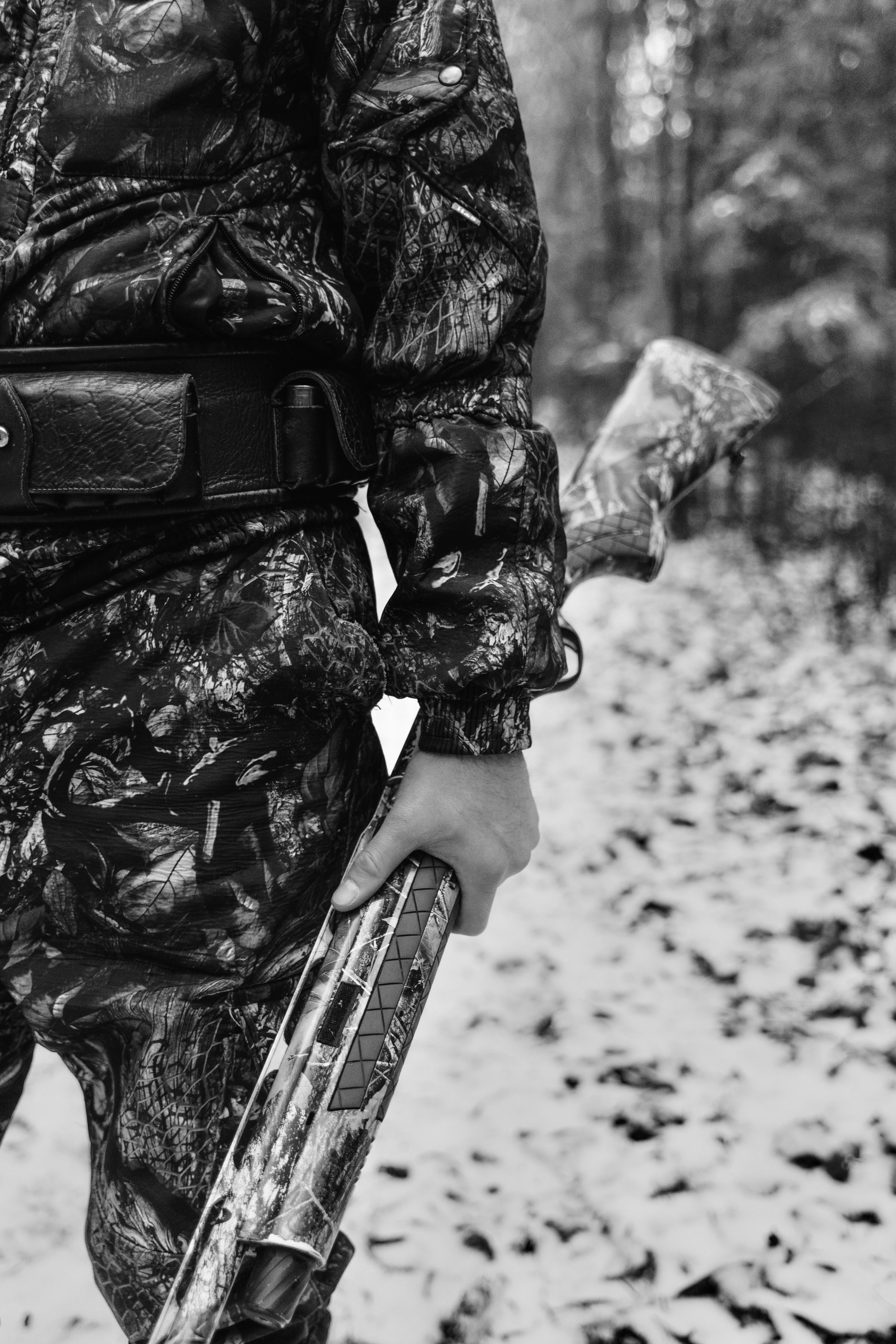
Only 5% of America’s National Wildlife Refuge System is now closed to hunting and fishing. Put differently: on most refuge land, “refuge” no longer means a place where wild animals are safe from recreational killing.
That is the central fact worth sitting with.
On August 13, 2026, the Trump administration finalized what it proudly called the largest expansion of hunting and sport-fishing access in the history of the U.S. Fish and Wildlife Service. The rule expanded hunting and fishing access at 111 national wildlife refuges and fish hatcheries in 32 states. More than 92 million acres—more than 95% of refuge-system land—are now available for hunting or fishing.
A network created to protect wildlife is being transformed into one where animals may be pursued, hooked, shot, trapped, or otherwise killed across nearly all of its land.
The Trump administration has not simply expanded hunting and fishing on wildlife refuges; it has weakened the capacity to enforce rules and manage public land responsibly.
The U.S. Fish and Wildlife Service has lost nearly 1,800 employees—about 18% of its workforce—through cuts, buyouts, and hiring restrictions. Senators reviewing internal agency information reported that almost 60% of refuges lacked the staff and resources needed to fulfill their missions, while 9% were effectively “shuttered.”
Fewer staff means fewer people to investigate violations, enforce hunting and fishing rules, monitor wildlife, maintain habitat and public-access infrastructure, protect threatened species, and determine whether public uses remain compatible with a refuge’s purpose.
Expanding hunting under these conditions is not conservation. It is an abdication of care.
The Trump administration has also proposed rescinding September phaseouts of lead ammunition and lead fishing tackle at nine national wildlife refuges. Lead shot, bullet fragments, and lost lead fishing tackle poison wildlife when ingested and persist in soil, sediment, and waterways.
There has been some opposition among animal advocates, but not nearly enough. A coalition of conservation and animal-protection organizations submitted formal comments opposing the expansion without adequate staffing, funding, monitoring, and public-safety planning. The coalition also urged the Fish and Wildlife Service to retain the scheduled lead-ammunition and fishing-tackle phaseouts.
But a formal comment letter is not a sustained public campaign. For a change this sweeping—one that leaves only a sliver of the refuge system free from recreational killing—animal advocacy organizations should be making the stakes visible, urgent, and ethically clear, and they have not.
Hunting may be politically difficult to confront. Some organizations focus on factory farming, companion animals, habitat loss, climate, or endangered-species litigation. Some conservation groups also support hunting as a traditional use of public land.
Those realities may help explain the failure to mobilize. They do not excuse it.
Animal-protection groups do not need to wait for another administration to begin acting.
They can:
Federal law gives hunting and fishing special status in national wildlife refuges only when the U.S. Fish and Wildlife Service finds them “compatible” with the mission of the refuge system and each refuge’s purpose. That makes public pressure even more necessary. “Compatible” should mean more than legally permissible. It should mean compatible with the well-being of animals, the ecological needs of a specific place, and the public’s reasonable expectation that a refuge offers refuge.
You can help make this issue harder to ignore:
A refuge should mean refuge
Photo courtesy of Tima Miroshnichenko on Pexels.com
Other TheKindLife.substack.com posts”

When Helping Animals Never Feels Like Enough—Here’s What You Can Actually Do
Apr 14•The Kind Life
Crows May Seem Ominous—But They’re Backyard Geniuses Smarter Than Your Dog
They hold 17-year grudges, craft tools like kids, and gift treasures to kind feeders
Mar 3•The Kind Life
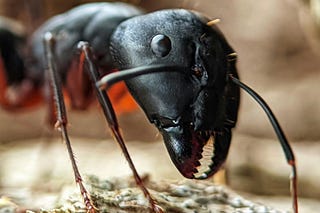
What Ants Teach Us About Compassion and What We Refuse to Learn
A Surprising Lesson in Empathy from Small Creatures
Feb 10•The Kind Life
One Small Pause, One Saved Life
Saving just one animal won’t change the world, but the world will change for that one animal
Mar 31•The Kind Life
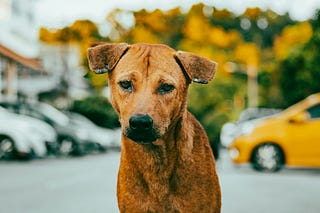
Do Animals Have a Sense of Humor?
What playful teasing reveals about animal minds
Jun 16•The Kind Life
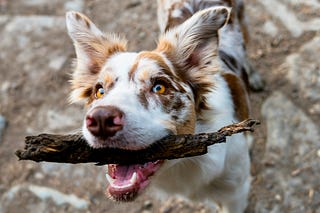
It’s Time to Celebrate Animal Sentience and Stop Squabbling
Science and common sense clearly show that diverse animals are feeling beings
Mar 18•The Kind Life
Apr 7•The Kind Life
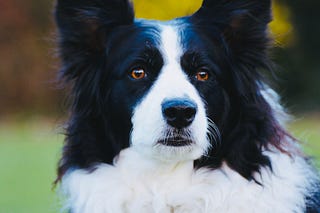
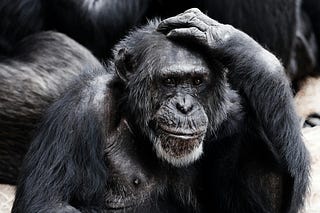
Elephants have vigils and rituals for their dead. A glimpse into animal emotions.
Mar 11•The Kind Life
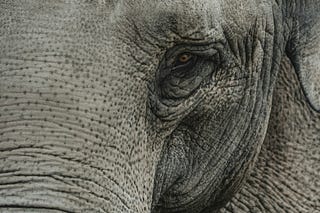
Finding Your Lost Dog: A Step-by-Step Guide
May 14•The Kind Life

© 2026 Carolyn Cott
I tend to feel an overwhelming degree of compassion for animals. If I see an animal in need—a panicked cat in the median strip of a highway, a homeless dog on the street—and my attempt to help fails, it puts a crimp in my evening, at the very least.
If there’s nothing I can even attempt to do (the dog with the pleading eyes in the Hunan, China marketplace—but that’s a story for a different post), I feel heartsick, and I can’t just let it go.
Life would be a lot easier for me if I didn’t care, or if I didn’t notice animals in need. Or if I noticed and could simply put my mind elsewhere. I almost envy people who can do that—with an emphasis on almost, because my respect for those who do flags a little.
My problem, if it can be called that, is that I tend to feel deeply. This has many benefits, but it also means that another creature’s suffering can undo me.
So why do I let myself care? There’s a degree of choice in this. I could try to school my mind not to feel so much, not to care so much, not to try to help. But I wouldn’t like myself very much if I did. And I wouldn’t have made the incremental differences I’ve made in the lives of some animals. That matters to me.
There is a world of animal suffering. Suffering is felt by one individual at a time, even when it’s collectively massive. While saving the life of one animal won’t change the world, for that one animal, the world changes completely.
If you have your own “why do I care” moment, please consider sharing it—your story might be the one that helps someone else stop looking away.
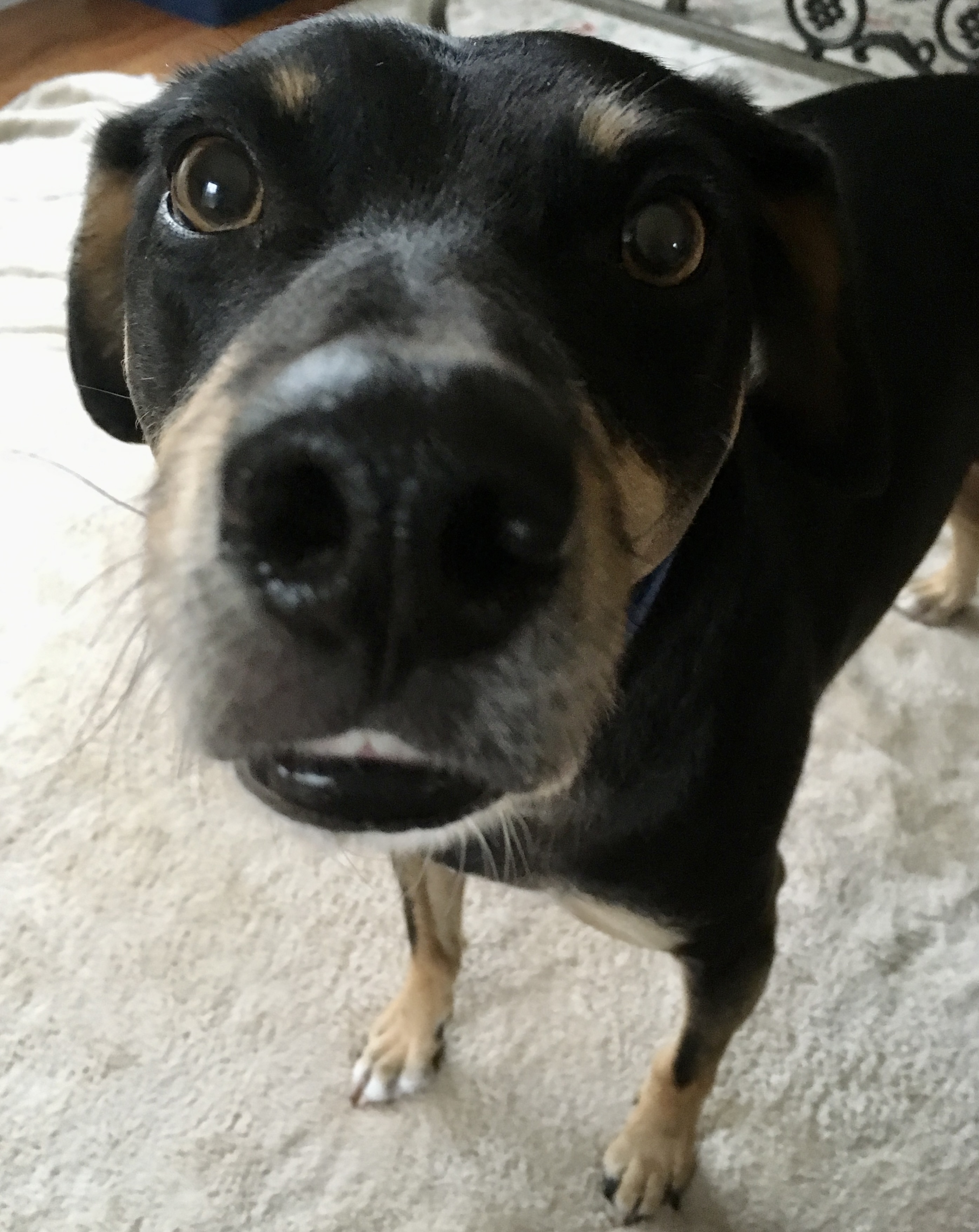
I came to the shelter looking for a dog who could live peacefully with my two cats.
The shelter director asked me—actually, she pleaded with me—to consider a hound named Finn. As we walked down the aisle of kennels with barking dogs, she told me he was gentle with all animals and the only one among the fifty rescues from Alabama who hadn’t been adopted. He had arrived a year ago.
When we reached his kennel, Finn was sitting alone, hunkered down, while the larger dogs housed with him barked and played together nearby.
The director called to Finn. He walked toward us hesitantly, looking left and right as if wondering whether she might be calling another dog.
Crouching down, I extended my hand toward him. He sniffed it cautiously and then leaned my hand as I pet him.
Then Finn began to dance.
He hopped in place, lifting one front foot and then the other, and rocked between his front and back legs like a child on a rocking horse. Sometimes he moved in a circle, always to the left, and sometimes he fell over.
The director said that people laughed and pointed when he danced, and then they moved on. They wanted to adopt a more normal dog.
I saw a shy dog trying hard to be noticed. I nodded to the director.
Smiling broadly, she suggested we visit one of the cat rooms with Finn. While I stood at the door, she picked up Finn and placed him among several cats. Two of them rubbed against him and he nuzzled them. One cat walked under him, twice.
I took him outside to the play yard. Finn stretched out on the warm grass and rolled on his back. As I stroked him he looked at me with such gentleness.
As I was filling out the adoption paperwork, the director told me more.
Finn was rescued as a puppy along with others from a dreadful situation in Alabama. A woman sold purebred puppies via a polished website. Behind the scenes, she kept 300 neglected dogs confined in crates outdoors. Finn spent his first four months in a crate so small the only movements he could make were rocking back and forth between his front and back legs and doing his three-legged hop.
Then distemper swept through, killing several of the dogs. Finn lived, although some of his motor skills were damaged—hence his circling, his losing balance and falling over.
The woman was eventually arrested, prosecuted, and served jail time—a rarity in animal cruelty cases. The dogs were rescued and one by one found homes. Finn did not, until that day.
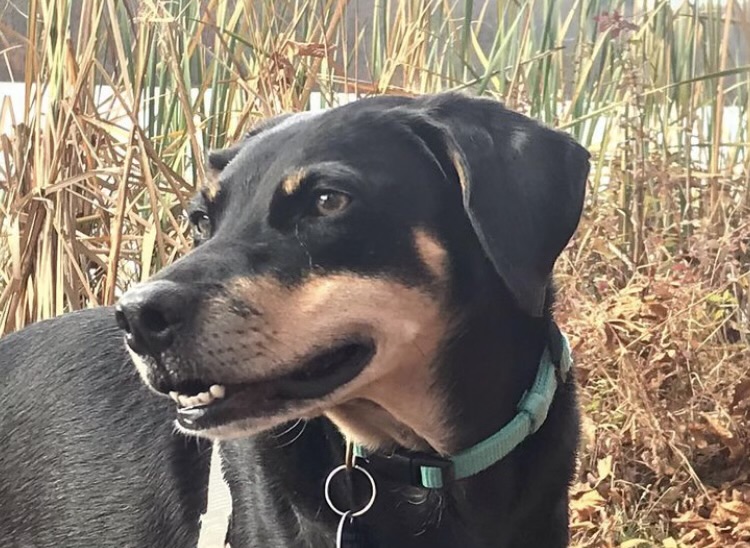
Finn came home with me and stood in the living room in a patch of sunlight. He looked around, curious, and watched the cats. They sensed his kindness and were unafraid.
Then he came to me, looked up, and licked my hand gingerly. I looked into his eyes and we held each other’s gaze. I stroked him slowly from his head to tail.
Finn sighed, circled, lay down beside me, and closed his eyes.
See the Individual
Every animal is more than their history or their body. Spend a few quiet minutes with an animal others overlook. Connection often reveals what first impressions hide.
Ask One More Question
When visiting a shelter, ask staff: “Who has been here the longest?” or “Who gets overlooked?” That single question can introduce you to an animal like Finn—a sweet soul waiting for recognition.
https://thekindlife.substack.com/p/inclusion-isnt-always-care-the-deadly
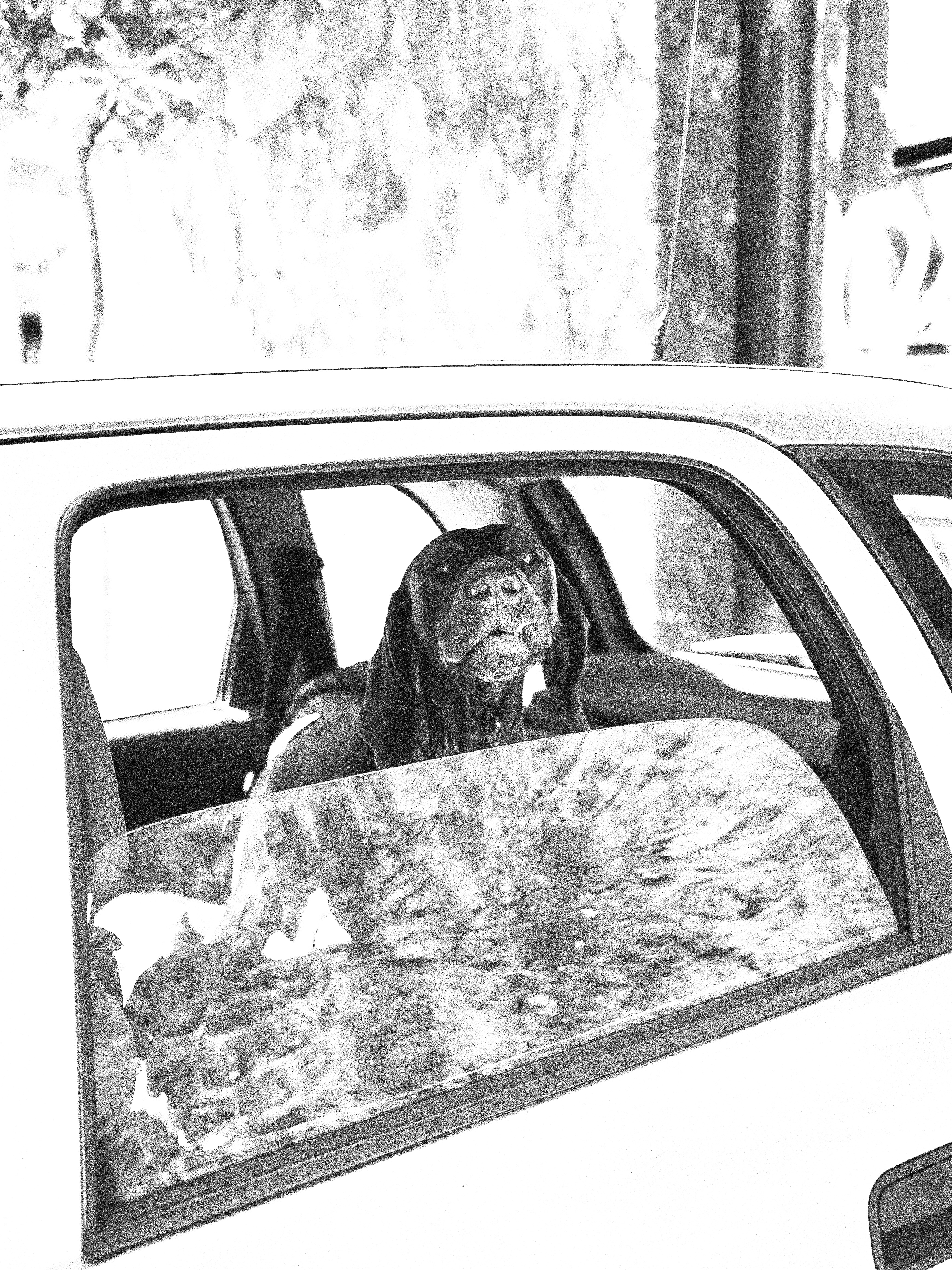
Minutes matter dogs cannot escape.
Full article here: https://thekindlife.substack.com/p/inclusion-isnt-always-care-the-deadly
To view on Substack: https://thekindlife.substack.com/p/finding-your-lost-dog-a-step-by-step
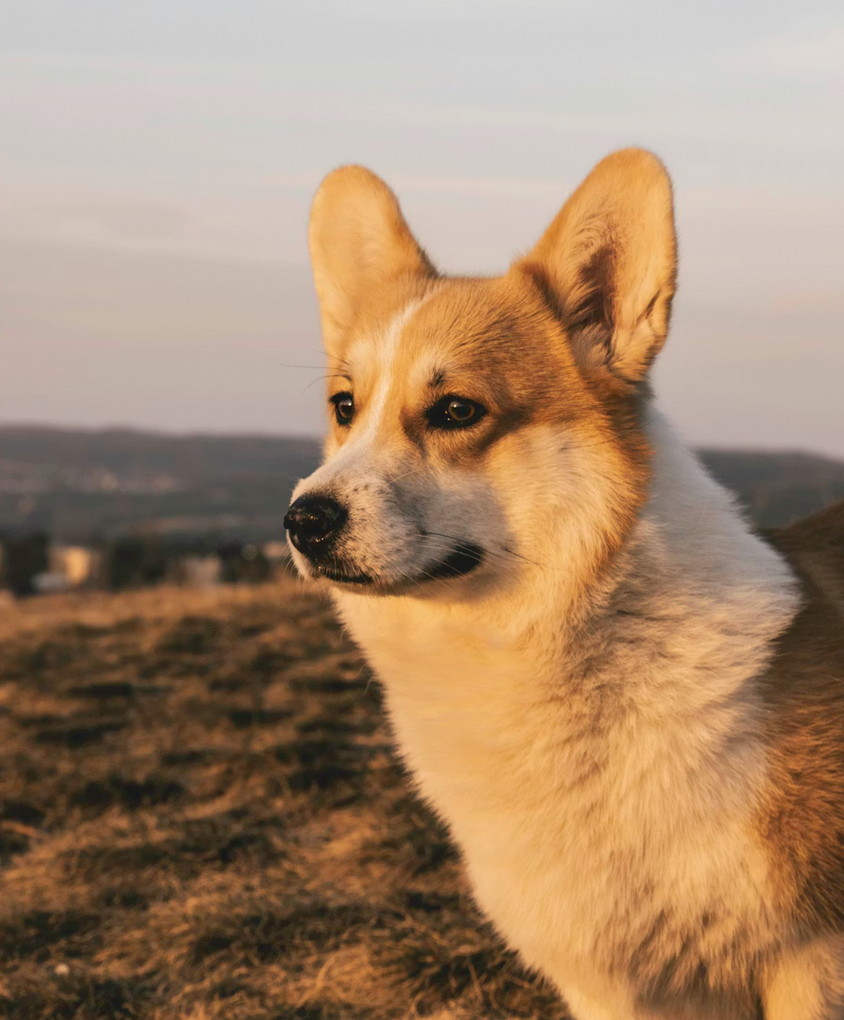
Do this first
Then do this
Keep spreading the word
If you spot your dog
Do not chase the dog. Stay calm, crouch down, look away slightly, and speak softly. Use familiar words and let the dog come to you if possible.
Prevent this next time
Check fencing, gates, doors, and latches once your dog is home. Keep ID tags on the collar, keep the microchip information updated, and practice recall regularly. A GPS collar can also help for dogs that escape easily.

