When Helping Animals Never Feels Like Enough—Here’s What You Can Actually Do

A personal reflection on compassion, responsibility, and 20 practical ways anyone can reduce animal suffering
I confess that I’m almost never satisfied with what I do to help ease animal suffering. So much more can be done, and I often find myself wondering: at what point can I say, there—that’s good enough for now? For every animal I rescue, care for, or arrange help for, there are millions of others who need it. I can understand the urge to throw up one’s hands in defeat, because cruelty by humans is everywhere—institutionalized abuse, neglect, harmful ignorance, and intentional harm. Its pervasiveness can inure us to it, allowing us to more or less ignore it.

I admit to feeling something akin to envy (but not necessarily respect) for people who seem oblivious to animal suffering. It is understandable that one might turn away from it because of the perspective, what can only one person do? The answer, I think, is probably a lot more than you realize, without wholly upending your life. For 20 ways to make a difference, see the “Compassion in Action” section below.

I struggle with finding some degree of peace with what I actually do. The issue, as I see it, is that because the need is vast, the sense that it’s never enough is pretty much true. I can get stuck in that loop. The question for me becomes how to find balance: I want to extend a bit what I actually do, and I want to take some quiet satisfaction in knowing that what I do helps, rather than being crushed by the sheer enormity of the need.

I find this anonymous quote powerful: “Saving one animal doesn’t change the world, but the world changes for that one animal.”

Those of you who honor and love animals: I would love to hear your thoughts in the “Leave a comment” section, below, on how you navigate this issue.

Please subscribe!

Compassion in Action

20 Easy Things Anyone Can Do to Reduce Animal Suffering

You don’t need to “save all of them” to make a real difference. Small, consistent actions from ordinary people can quietly reshape how animals live in this world. Here are 20 simple things anyone can do, now.

1. Adopt from a shelter or rescue first.
Every time someone chooses adoption over a breeder or pet store, they pull a life out of the shelter system and reduce demand for mass breeding operations.

2. Spay or neuter your pets.
Routine surgery prevents unplanned litters, eases pressure on shelters, and often improves pets’ health and behavior.

3. Care for community animals humanely.
If you see stray cats or dogs, provide clean water and appropriate food, and connect them with local TNR or rescue groups instead of ignoring them or shooing them away.

4. Speak up when you see neglect or abuse.
If you witness serious cruelty or clearly unsafe conditions, report it to local animal‑control or humane investigators; early intervention can stop escalation.

5. Buy cruelty‑free and humane‑certified products.
Choose household and cosmetic brands that avoid animal testing and, where possible, look for certifications that signal higher welfare standards.

6. Have a bird feeder or birdbath.
A simple source of water or supplemental food can sustain birds and small wildlife through harsh seasons, especially in urban or suburban areas. Place birdbaths on the ground so that non-flying animals can reach the water as well.

7. Plant native, wildlife‑friendly plants.
Even a small yard or planter full of native flowers and shrubs supports pollinators, birds, and small mammals with almost no extra effort.

8. Cut back on animal‑product consumption.
Shifting even a few meals a week toward plant‑based options lowers demand for factory‑farming systems that cause massive suffering.

9. Support ethical brands and sanctuaries.
When you buy pet products, choose companies that donate to animal‑welfare groups or help fund sanctuaries and rescue work.

10. Donate supplies or money monthly to a shelter.
Shelters always need food, towels, blankets, and litter; even a small recurring donation can free up staff time and resources for direct care.

11. Foster an animal when you can.
Short‑term fostering gives traumatized or overcrowded animals a calmer home, improves their chances of adoption, and opens up kennel space for others.

12. Volunteer a few hours a month.
Cleaning, walking dogs, socializing shy cats, or helping with admin can dramatically stretch a small shelter’s capacity.

13. Organize a small donation drive.
Consider turning birthdays, holidays, or social events into opportunities to collect pet‑food, toys, or supplies for a local shelter.

14. Share adoptable‑animal posts online.
One shared shelter post can connect an animal with the right home far faster than waiting passively.

15. Talk kindly and clearly about responsible pet‑ownership.
Gently share basics (vet care, spaying/neutering, enrichment, not “gifting” live animals) with friends and family; this can prevent future relinquishment and surrender.

16. Support humane‑education programs.
Donate to, volunteer with, or promote school and community programs that teach children empathy toward animals and the impact of our choices.

17. Engage with local animal‑protection laws.
Sign petitions, attend town meetings, or contact officials to support stronger anti‑cruelty laws, community‑cat programs, and animal‑shelter funding.

18. Avoid products and experiences that exploit animals.
Skip exotic‑leather fashion, wildlife‑derived medicines, and entertainment that relies on stressed or captive animals (circuses, exploitative “photo” ops, etc.).

19. Reduce litter and keep wildlife areas clean.
Picking up trash in parks or along trails keeps plastic and debris out of animals’ mouths and paws and helps ecosystems stay safer.

20. Design your outdoor space with wildlife in mind.
Use native plants, retain unmowed edges, and limit harsh outdoor lighting to help birds, insects, and small mammals survive while minimizing conflict.

Share

Leave a comment

Photos courtesy of Anastasija Puskas, Unsplash and Jafetbyrne Photos

One Small Pause, One Saved Life

Saving just one animal won’t change the world, but the world will change for that one animal

It only takes a moment to feel. Just drop your attention to your body and from there, perceive. This cuts through some of the mind chatter and justifications, and for just those few moments, you might feel your body and your emotions without much of a filter, without so many distractions.

What if we all practiced this kind of more direct experience now and then? My guess is that the world—and our treatment of people and animals—would be kinder, our actions would be more intentional.

Here’s one example. The man waited in line at his favorite lunch stand on a busy city street in Philadelphia. He noticed the stray dog, again. He’d seen him on other days but hadn’t given the dog much thought beyond: oh well, survival of the fittest. The skinny dog sidled up to the lunch stand, sniffing the fragrant food and looking up at the people in line, hopeful. Those in line and the passersby ignored the dog. It’s easier and more convenient not to pay heed.

On this particular day, the man looked into the eyes of the dog and recognized something familiar, something like kinship, connection, and he felt empathy. He broke off a corner of his sandwich and held it out for the dog, who took it gingerly, swallowed it without chewing, and looked up at the man expectantly. The man pulled out his cell phone, and searched for and dialed the number for a local animal rescue.

The man sat down on a nearby bench, and the dog followed a few respectful steps behind him. He held out another piece of his sandwich to the dog, who ate it and wagged his tail. Over the next while the man gave the dog the rest of his sandwich in tiny pieces. A small white van pulled up and parked, and a uniformed woman climbed out. She glanced at the man, nodded to him, then crouched down and extended a treat to the dog. As the dog took the food, the woman spoke softly to him and slipped a leash over his head. The dog sat down at her side and looked up at her as if to say, what’s next? The woman asked the man if he’d seen the dog in the area before, made a few notes on her phone, and thanked him for caring enough to make the phone call. She slid open the side door of the van, and the dog jumped in, happily. Off they drove.

The man bought another sandwich, this one for himself. As he walked away, chewing thoughtfully, he felt good.

Compassion in action:

When you see a dog or cat that appears to be lost, hungry, or in danger of injury (like on a street), contact help. To find a list of local rescues and shelters, add in your town/area towns in the following link: Identify local rescues in your area (while the site is focused on adoption, this link lists rescues by locale).

You can also go to google.com and type in:SPCA near meor animal rescue near meor animal control near meor animal services near me

Thoughtful, weekly stories about animals, nature, and what it means to be human: https://thekindlife.substack.com/

How to Tell the Difference Between a Lost and Feral Cat

Half of Lost Cats Are Indoor-Only—Don’t Assume Every Outdoor Cat Is Feral

To read on Substack: https://thekindlife.substack.com/

When people see a cat outdoors, it’s not uncommon to assume that the cat is feral rather than lost. Contrary to popular belief, almost half of lost cats are indoor-only pets. Of the approximate 80 million “owned” cats in the US, estimates are that up to one-third of them go missing at some point, and a quarter of those of lost cats are never reunited with their families.

It can be difficult initially to tell the difference between a lost cat and a feral one, because both are likely to be wary. Here are some tips to help you to tell the difference, and what then to do.

Lost cat:

  • Might meow—feral cats (except kittens) do not meow. They often live in fear and do not meow to avoid detection by predators
  • May be skittish initially but may come to tolerate being approached and/or may seek out human help/contact
  • May hang out near houses because they are familiar locales
  • May be friendly, as the cat has socialized with humans at some point
  • Is alone (feral cats can be part of a community of feral cats)
  • The fur may appear dirty or ungroomed
  • Is diurnal—out during the day because they have adopted human schedules

Feral cat:

  • Does not meow at humans
  • Is hypervigilant, skittish, and unfriendly and/or takes a long time to become trusting
  • Is more likely to be nocturnal or crepuscular (active at dawn and dusk).
  • May have an ear tip clipped (if they were trapped and spayed/neutered at some point)

What to do for a lost cat:

  • Provide water and food, and provide shelter in cold weather
  • Lure it inside or trap it, take it to a local animal shelter* or ask them to pick it up, or have your vet or a shelter scan the cat for a chip
  • Assess whether it is sick or injured; if so, call your local animal shelter for help
  • Check on ‘missing cats’ online boards and advertise “found cat” with photo and location on: https://www.pawboost.com https://nextdoor.com https://www.facebook.com as well as on telephone polls, etc.

What to do for a feral cat:

  • Life is rough for feral cats—they generally live only two to three years. Provide water, food, and shelter
  • Cats were originally desert animals and do not fare well in cold weather. Provide shelter to reduce their suffering. Here are some easy options:Build a shelter: how to build a cat-friendly shelter for feralshow to build an outdoor shelter for cats Buy a shelter: Elevated cat shelter
  • Consider TNR (trap, neuter, release) if the cat is healthy and well-fed (if not, trapping and euthanasia is infinitely kinder)
  • Assess whether it is sick or injured; if so, call your local animal shelter for help

Compassion in Action:

To find your local animal shelter, go to: https://www.chewy.com/g/animal-shelters-and-rescues

https://thekindlife.substack.com/

Share

Self-Rescuing Bald Eagle?

View on Substack: The Kind Life

Thanks for reading! For weekly stories and simple actions that improve animal welfare: The Kind Life

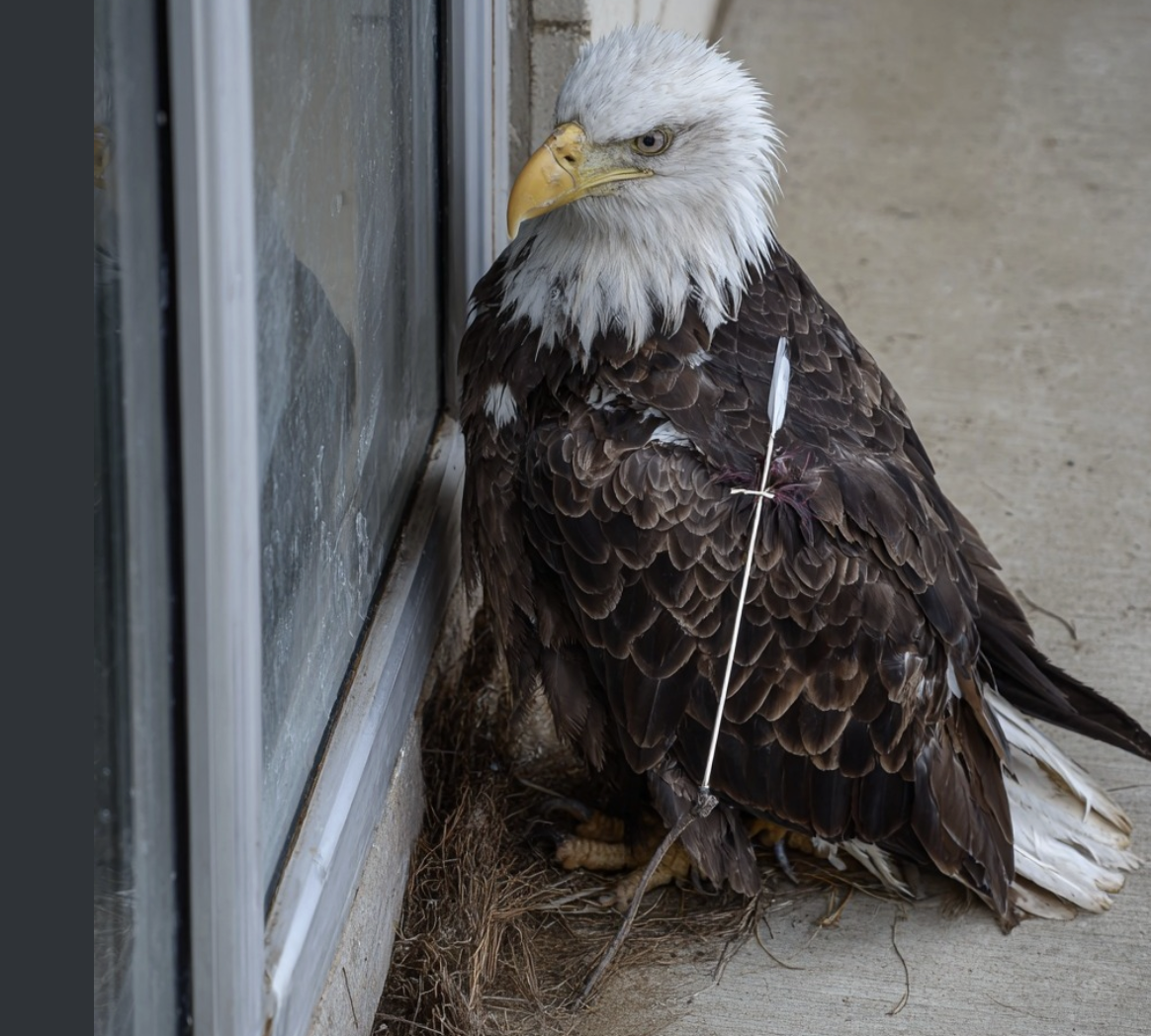
An injured, fully grown bald eagle was found at the door of wildlife rehab center in British Columbia. It remained unmoving and quiet, and peered into the glass door. A broadhead hunting arrow was embedded in its back and blood loss was evident.

When staff carefully approached, the eagle did not attempt to flee and allowed them to bring it into the facility. According to the veterinarians who treated it, the eagle showed no aggression or panic. Surgery was performed the same day and the wound was reported as severe but treatable. Without intervention the eagle would not have survived. The eagle was given antibiotics, pain management, and rehab to regain flight strength.

The eagle’s point of origin, route, and distance traveled are unknown, but one might surmise that the injury occurred in one of the hunting areas, none of which are close by.

Injured animals tend to seek cover instinctively, and there were several structures, unoccupied buildings, and forest edges where the bird might have sought cover. While biologists urge caution in interpreting events like these, the eagle’s behavior struck the staff as unusual. One stated, “It felt like it knew exactly where to go.” Even experienced wildlife professionals admitted the case was extraordinary.

Compassion in Action

What can you do when you see injured wildlife? Observe from a distance without approaching to avoid stressing the animal further, which could worsen injuries or lead to defensive behavior. Note key details like location, species, behavior, and visible injuries (e.g., limping or bleeding) for rescuers. Contact your local rehab facility by searching here: Local Wildlife Rehabs

Please share with others who might be interested!

Share

Subscribe for weekly stories like this: The Kind Life

Leave a comment

Bridget Bardot Gave a Voice to the Voiceless

To read on substack: https://substack.com/home/post/p-182806305

Bridget Bardot was defined in the 1950s and 1960s by her on-screen and off-screen uninhibited sexuality, voluptuous figure, and tousled blond hair. In 1973 she abruptly left acting, saying “I gave my beauty and my youth to men, and now I am giving my wisdom and experience, the best of me, to animals. . . I don’t care about my past glory. That means nothing in the face of an animal that suffers, since it has no power, no words to defend itself.”

While indifferent to her past, Bardot leveraged her fame to advance awareness of and reforms in animal welfare. Her contributions in the field include establishing the Fondation Brigitte Bardot for the Welfare and Protection of Animals; filing thousands of investigations and lawsuits against animal cruelty; lobbying for legislation against factory farming, slaughterhouse practices, the pet trade, religious ritualized slaughter, fur trapping and hunting, foie gras practices, and animal experimentation; opposing bullfighting, horse racing, and horse slaughter; advocating for dog meat bans in South Korea; funding shelters, spay/neuter programs, and wildlife rehabilitation centers; traveling to the Arctic to bring attention to the clubbing of baby harp seals; and promoting vegetarianism (originally) and then veganism.

In an essay in Ingrid E. Newkirk’s book One Can Make a Difference, Bardot wrote, “Young people are always a hope. More of them must realize that the animal is not an object for profit, not a toy for our amusement, hunted for sport, not something to be cut up for his fur. They may see that the animal has the right to live, just as we have the right to live. We, the animals, the plants are the whole, and the whole makes a chain, and if we break that chain, all of humanity will pay.”

Compassion in Action:

SPCA International (←please click to learn more about what this worthy organization is doing) – The winter is harsh, and countless dogs and cats are shivering, weak, and alone. Their goal is to save as many lives as possible. Your gift can make it happen.

You Can Make a Difference to a Cold Dog, Cold Cat, Right Now

Right now, a trembling dog is curled against a frozen wall, fighting to stay awake. A hungry cat is crying in the dark, desperate for warmth that never comes.

Without help, they may not survive.

Please, don’t let them face the cold alone. You could be the reason one frightened animal is lifted out of the freezing night and into safety.

𝗗𝗼𝗻𝗮𝘁𝗲 𝗕𝗲𝗳𝗼𝗿𝗲 𝗠𝗶𝗱𝗻𝗶𝗴𝗵𝘁: text.spcai.org/iiYpYCBzgFde

𝗧𝗵𝗲 𝗦𝗣𝗖𝗔𝗜 𝗧𝗲𝗮𝗺 🐕

Sheba’s Transformation: From Fear to Friendship

by Robert Leardi, MD

I have loved dogs all of my life, but because my parents wouldn’t allow one in the house, I had to wait until I was out of the house and married before getting one. Since then, many dogs have been in my life, and all but one have been shelter dogs.

The one non-shelter dog was a retired show dog—a Cavalier King Charles Spaniel. She was a beautiful 10-year-old, extremely affectionate dog who, like all the dogs in my life, quickly bonded with me. After three months, she suddenly collapsed and died.

Afterward, my daughters began sending me photos of dogs from local shelters. One that caught my eye was a mixed-breed rescue named Sheba, thought to be under six years of age. She reminded me of my first dog, Prince, a Springer Spaniel mix who bonded with me instantly and seemed always to know want I wanted him to do without being asked. He also knew when I was coming home, although my arrival times varied. When we walked, he was at my side, never needing a leash.

Sheba’s adoption records showed that she had been seized by authorities in West Virginia “from a bad situation.” Like so many rescue dogs from the South, she was transported to the North for adoption. I adopted her in June 2023 through a local rescue, Hinde Animal Rescue in Media, PA.

Sheba

Sheba bonded with me quickly, but her mistreatment caused her to be terrorized by almost everything and everyone else. When I stopped to talk with neighbors on our daily walks she would whimper and pull away. Traffic frightened her, as did anything sudden or different. With me, Sheba was calm. I felt honored to be trusted by her and sought ways to expand her sense of safe. A dog psychologist evaluated her but was unable to help her beyond prescribing Fluoxetine, which had to be halved due to side effects.

The elements of time and loving patience seem to have helped the most. It’s been two years since I adopted Sheba, and she now sits or lies down patiently when I talk to neighbors, and her fear of traffic has passed. She is a low-energy, calm dog who loves to walk slowly, doesn’t pull, and walks with a slack leash. She refuses to play fetch, and when I throw a ball for her, it is I who has to retrieve it. Sheba smiles when she looks at me and has become the love of my life. She has become the companion that she is because she lives in a consistently loving environment. I suspect I have derived as much comfort from living with her as she has from living with me.

A tribute to all the dogs that have been in my life.

Gracie’s Journey: From Abandonment to Family

Gracie the cat found our way to us when my daughters were young. She had been thrown from a moving car and landed, limping, in the front yard of a kind couple who cared for her. They couldn’t take her in because they’re inside cat was quite territorial and wouldn’t allow it. And so they sought a home for the ginger-colored cat, and through a friend of a friend, she came to us. 

When she entered our house, Gracie was respectful. She moved gently and silently, her body and pace relaxed. She observed people and animals before doing anything. Our resident cat was unthreatened and curious about her. Our rescue pit bull befriended her immediately, and he frequently showed his affection by slurping her face. Gracie tolerated it, squinted against it, shook off the spit, and then gazed fondly at the dog.

Gracie connected deeply with my younger daughter and allowed all the things that young girls do with cats: dressing her up in doll’s clothing, pushing her around in a pram, draping her over her shoulder and wandering through the house.

Gracie had an understanding of things. One example is this—she always slept with my younger daughter, but the one and only night she changed her routine was when our beloved pit died. That night, Gracie divided her time between all of us, lending her gentle presence and snuggling against us in our beds before moving to the next person.

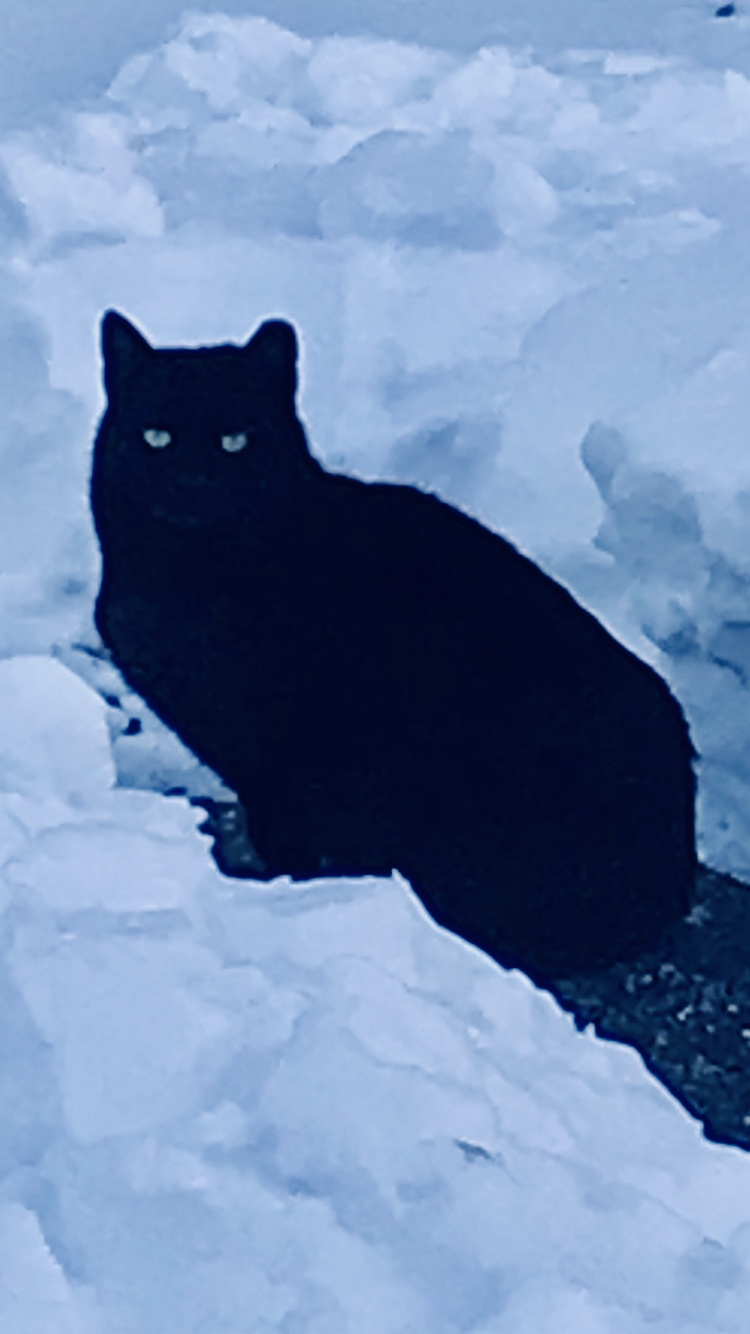
I love this picture of her. The backdrop is a twilight snowfall. Gracie sat for a long time, gazing outward at the evening. When she turned around, she looked me in the eye, blinked slowly, jumped down, and sauntered through the house.

April 30th is National Adopt a Shelter Pet Day

by Savannah Admire

How to Prepare for an Animal Shelter Visit

PH888 / Shutterstock

How to Prepare for an Animal Shelter Visit

Looking at online listings for adoptable pets can be fun, but when you’re ready to decide on a dog or cat to bring home, it’s time to choose an animal shelter to visit. You may be surprised by which animal in your local shelter captures your heart and feels like the perfect fit for your home and life. Taking the time to interact with a potential pet in person can help you find the right pet for you, as well as give you the opportunity to ask questions of shelter volunteers.

In this article:

Before visiting the animal shelterDuring your visit to the animal shelterTips for visiting an animal shelterCommonly asked questions

When you feel prepared for your visit to an animal shelter, you can ease any anxiety you may have about shelter pet adoption and make sure that you’re ready for the commitment of pet parenthood.

Before visiting the animal shelter

While you can walk into an animal shelter any day they’re open, it helps if you can prepare yourself for the task of choosing a pet to adopt. Spend some time browsing online listings for your local shelter but don’t set your heart on a specific pet before you meet them. You may fall in love with a completely different animal at the shelter, so keep an open mind — and heart.

Consider what type of pet is the best fit

Before you visit a shelter, think about what you want in a pet.

Shelter volunteers can help you find the right pet for you. They know a lot about the animal’s personalities and temperaments and can answer your questions to pair you with the right animal for your family and household.

Do some research

Read up on the animal shelter online and learn what to expect from their adoption process. Every shelter and rescue has their own steps to adopting a pet, so make sure you understand required fees and the information you’ll need to fill out an adoption application. Some shelters may require a home visit to make sure your environment is suitable for your chosen pet, while others may only require you to fill out a form and provide references.

Gather your supplies

While you likely won’t bring home a new pet after your dog shelter visit, it’s still a good idea to have your home prepped for their arrival. Make sure to pet-proof your house or apartment, putting away any cherished personal belongings to avoid damage. Go on a shopping trip to purchase all the supplies you’ll need for your new family member, such as food and water bowls, a collar and leash, toys, and treats.

Choose a time to visit

Many animal shelters are fine with walk-ins during their posted hours, but if you want to make sure a volunteer is available to speak with you, it doesn’t hurt to call and schedule an appointment. Find a time that works for you and anyone else you plan to bring along, whether that includes other members of your family or a friend for moral support. If you’re not able to visit the shelter in person, ask if there are virtual animal shelter visits available.

Bring your entire family

A visit to the animal shelter should be a family affair. Bring along everyone who will share in the responsibility of caring for the new pet, so you can make sure the animal is the right fit for everyone involved.

Taking children along when you visit an animal shelter can be a challenge, so it’s important to establish rules for their behavior before you go. Bringing your kids along can help them feel involved in the decision and get them excited about caring for a new pet.

During your visit to the animal shelter

Keep in mind that shelter staff and volunteers are often busy, and you may have to wait before you can spend time with a potential pet. Prepare for the animal shelter visit experience to be a noisy one, with excited shelter dogs barking about new people in their space.

1. Be patient and understanding

Animals may act differently in a shelter environment than they would in a home. Be patient and understand that a rescue dog or cat could be overwhelmed by new people, especially if you bring children with you. Give the animal space to approach you on their own terms, and remind children to pet them gently.

2. Ask questions

Don’t hesitate to ask shelter staff questions about your potential new pet, such as how the animal shelter cares for their animals and what training the pet may have had. This is your opportunity to learn about an animal’s health history, any behavioral issues, and how well they do with other animals. You can also ask about the next steps in the adoption process.

3. Take your time

As exciting as it is to visit a shelter and look for a new pet, don’t be disappointed if you don’t find the right dog or cat immediately. Your goal should be to connect with an animal who fits with your lifestyle. Be sure to take your time and be open to any animal in the shelter being the right one for you.

Tips for visiting an animal shelter

When you’re looking for a dog or cat to adopt, seeing all the animals in a shelter can be overwhelming. Keep these tips in mind as you visit your local shelter.

  • Spend time with the animals to get a clearer idea of what pet is best for you.
  • Keep an open mind and give every animal the chance to steal your heart.
  • Consider pets who are less likely to be adopted, such as senior animals.
  • Stay safe and pay close attention to any posted signs or notices.

Commonly asked questions

How can I ensure a successful shelter visit when looking to adopt a pet?

The best way to ensure a successful shelter visit is to be patient with both staff and animals, and take your time when choosing a new pet to adopt. Don’t hesitate to ask questions of shelter staff, whether about the animals or the adoption process — or both.

Can I donate to the shelter during my visit?

Yes, you can donate to the shelter during your visit. Shelters are always in need of supplies and financial support to help care for their animals. The staff will likely be more than happy to accept a donation during your visit.

References

Why Did You Choose That Pet?: Adopters and Pet Selection Preferences in Five Animal Shelters in the United States

Understanding Volunteerism in an Animal Shelter Environment: Improving Volunteer Retention

Source:

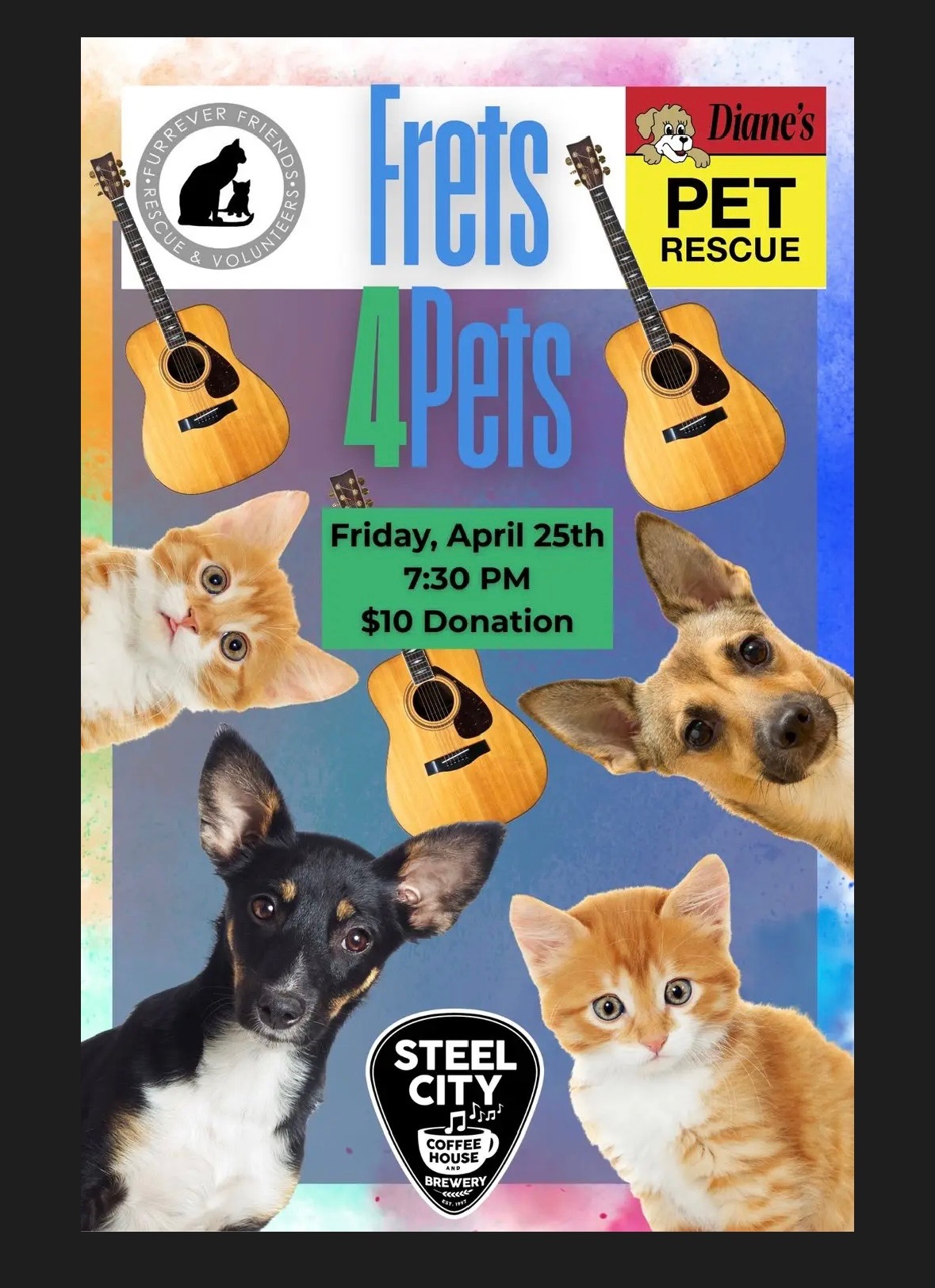
Frets for Pets Benefit Concert – Phoenixville, PA

The concert will benefit a PA rescue and a NJ rescue. If you’re local, come out for an evening of diverse as well as food and drink! Steel City Coffee House, 203 Bridge Street, Phoenixville, PA 19406.

Screenshot