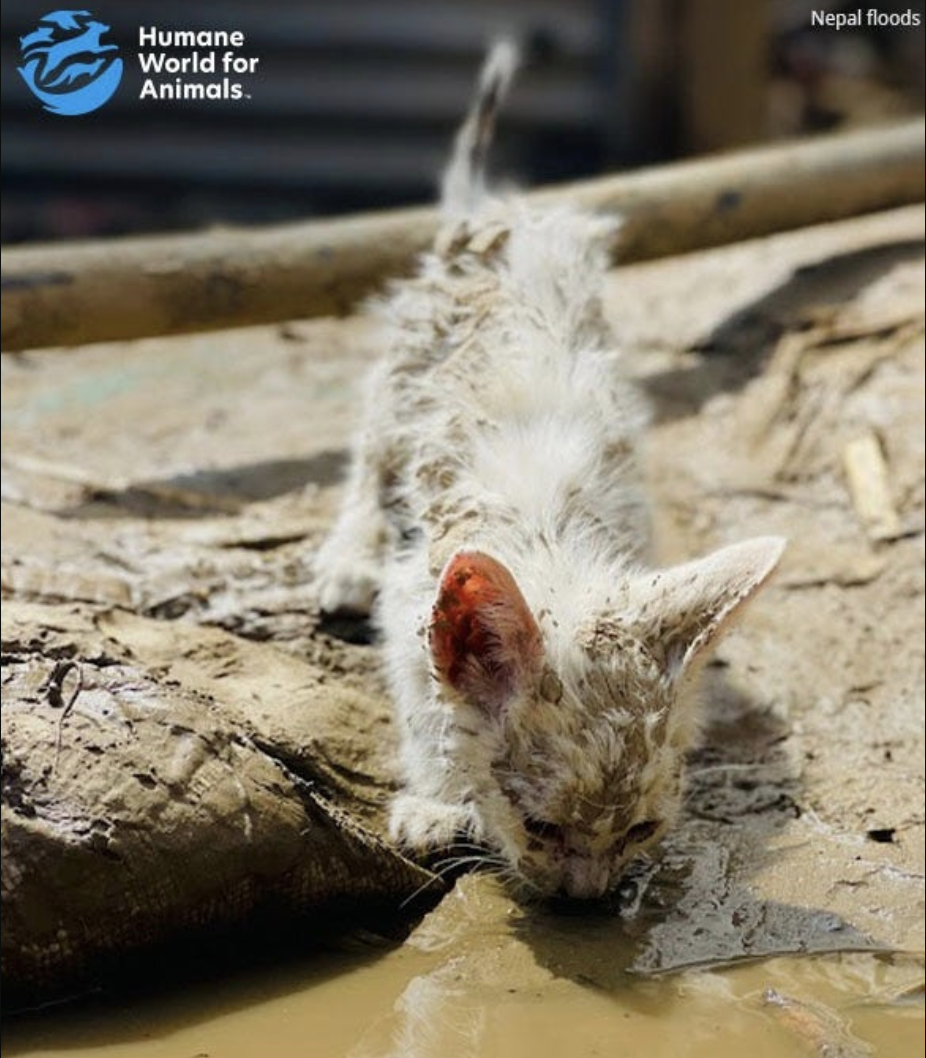
Photo credit: Humane World for Animals / Sneha’s Care
Humane World for Animals is seeking urgent support for animals affected by Nepal’s devastating floods and landslides
Animals in Nepal desperately need help right now.
Entire communities, villages and ecosystems have been destroyed by the devastating floods and landslides—leaving animals stranded, trapped in debris and separated from their families. We’re rushing emergency aid to our local partner for crucial supplies to treat injured animals and continuing to assess the most dire needs.
Please donate to our Emergency Animal Relief Fund HERE
Nick@HumaneWorld
* The Humane Society of the United States and Humane Society International united under the name Humane World for Animals
Humans occupy a position of extraordinary power over other animals. We decide whether they are bred, confined, transported, killed, and eaten. Most people I know eat meat, at least occasionally. Perhaps they don’t let themselves think about what the animal might have endured on the journey to their plate. Perhaps they’ve considered it and don’t care. Perhaps they live somewhere between indifference and discomfort, and do it anyway.
My mom was a dedicated animal lover, yet she ate meat daily. When I asked her how eating animals fit with her love for animals, she breezily replied, “Oh, I just don’t think about it.”
We humans seem especially adept at pursuing self-interest while shutting out inconvenient realities that expose the conflict between what we do and the values we claim to hold.
It’s a lot easier not to trouble ourselves with thoughts about how our actions directly contribute to the suffering of other sentient beings. But I think we should.
“But the Animal is Already Dead”
One argument I’ve heard is, “Well, the animal is already dead. I’m not killing it.” But the animal’s death is not disconnected from the decision to buy meat. Supply and demand link consumer choices to what producers continue to supply. If fewer people chose to eat meat, fewer animals would be slaughtered.
So, yes, by eating meat, you are contributing to a system that breeds, confines, and kills animals for food, causing them fear, deprivation, and suffering in the process.
Over the course of a human lifetime, meat eaters eat an average of 2,000–2,600 chickens, 25–35 pigs, and 10–15 cows. The exact number will differ according to a person’s diet, but the moral point remains: these are not abstractions. These are thousands of individual animals, and suffering occurs one individual animal at a time.
Convenience, Need, and Want
There is an important difference between convenience, need, and want. For most people with regular access to ordinary grocery stores, eating animals is not a necessity. Beans, lentils, grains, potatoes, nuts, tofu, eggs, etc. are generally inexpensive, accessible foods that make satisfying and healthy meals.
Of course, people’s circumstances differ. But finding a change difficult is not the same as having no alternative. For many people, meat is not a need. It is a preference—often a deeply familiar and socially reinforced one, but a preference nonetheless.
When we can reduce suffering without sacrificing adequate nourishment, our preference for convenience and taste deserves moral scrutiny.
Looking Them in the Eye
Much of what allows people to eat animals without confronting the moral weight of it is distance. The animal is no longer seen as a living individual. Their body has been has been cut apart, packaged, refrigerated, and transformed into a product. Someone else bred them, confined them, transported them, and killed them.
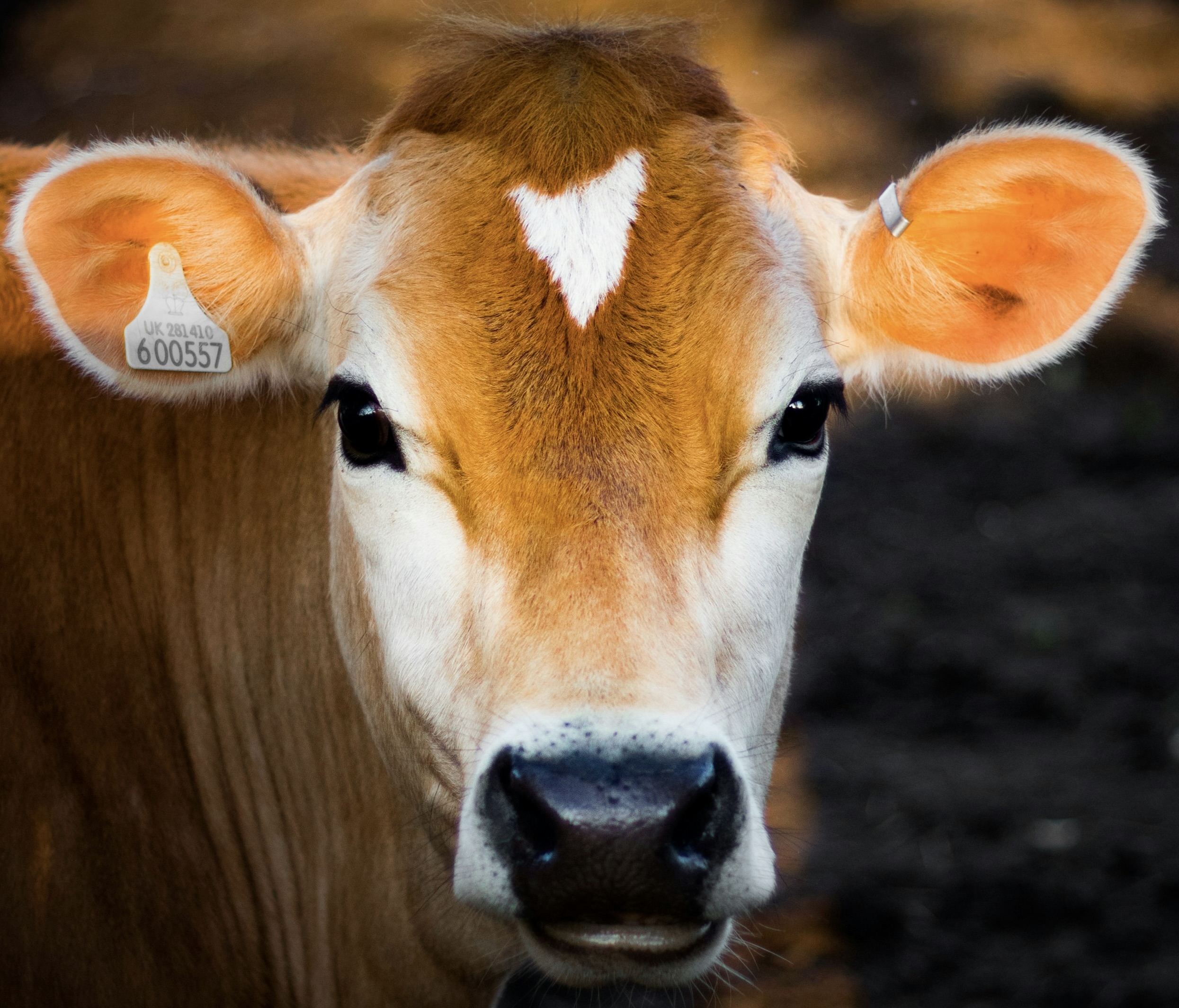
Could you look that cow in the eye and kill and eat her? Could you look a chicken or pig in the eye and do the same?
If we are unwilling to look an animal in the eye and take their life ourselves, perhaps we should not be so comfortable outsourcing that violence to someone else.
Compassion in Action
Compassion becomes real when it changes what we do
Choose one meal—or one week—in which you do not eat animals. Do it as an honest experiment: a chance to notice what is habit, what is convenience, what you genuinely need, and what alternatives are available to you.
Replace at least one familiar meat-centered meal with a plant-based version this week.
Choose beans, lentils, tofu, chickpeas, or another protein you already enjoy.
Before buying meat, pause and ask: Is this something I need—or something I have simply been taught to expect?
If you eat eggs or dairy, consider making the experiment about meat first, rather than demanding an immediate all-or-nothing change.
You’ve probably seen a dog hang its head after chewing your shoe, or your cat curling up next to you when you’re sad. But do animals truly feel emotions like joy, fear, or grief?
Numerous studies show emotions aren’t just human—they’re a mix of brain activity, behavior, and conscious feelings in many species. Emotions involve physical changes (like a racing heart), behavior (like a smile, a wagging tail), brain signals, thoughts, and feelings (that inner “yay!” or “oh no”). Humans report feelings easily. Animals can’t use words to definitively convey what they’re feeling, but their brains light up like ours during emotional moments. For animals, scientists look for brain patterns tied to awareness—ones that appear when animals make complex decisions beyond simple reflex. Research suggests that mammals, birds, and many more species experience emotions consciously, and this should have implications for how humans treat other living beings.
Animal Examples
Dogs showing mood-based choices: Dogs housed in enriched rooms (toys, social time) eagerly approach sounds that sometimes predict treats (optimistic). Dogs in plain kennels hesitate more (pessimistic). Scientists determine “happy” vs. “wary” by housing conditions and baseline behavior. Mood literally changes how dogs gamble on uncertainty.
Chimpanzees consoling each other: After fights, chimps embrace and groom the loser (not the winner), cutting stress hormones. This targeted care mirrors human empathy—suggesting they feel others’ distress.
Elephants mourning family: Wild elephants gently touch and linger over skeletons of dead relatives (even years later), ignoring the bones of strangers. This selective behavior shows emotional memory, not instinct.
Crows helping companions: Crows see a trapped friend and use tools to free them instead of eating available food. This costly choice suggests felt concern, like human friendship. When food is right there but they prioritize rescue, it shows that crows’ emotional bonds override immediate survival needs.
Why It Matters
Real emotions mean real suffering. Beyond factory farms and barren cages, we trap wildlife in roadside zoos, abandon pets to streets, poison rats in agony, test cosmetics on rabbits’ eyes, and hunt for sport while they feel terror. Humane care literally makes animals feel optimistic, and true compassion demands we rethink every human-animal interaction. Pets, farm animals, wildlife, lab subjects, even “pests”—all deserve recognition as emotional beings. Every choice—from what we buy, to how we eat, to how we vote, to what we speak up about—carries ethical weight.
A personal reflection on compassion, responsibility, and 20 practical ways anyone can reduce animal suffering
I confess that I’m almost never satisfied with what I do to help ease animal suffering. So much more can be done, and I often find myself wondering: at what point can I say, there—that’s good enough for now? For every animal I rescue, care for, or arrange help for, there are millions of others who need it. I can understand the urge to throw up one’s hands in defeat, because cruelty by humans is everywhere—institutionalized abuse, neglect, harmful ignorance, and intentional harm. Its pervasiveness can inure us to it, allowing us to more or less ignore it.
I admit to feeling something akin to envy (but not necessarily respect) for people who seem oblivious to animal suffering. It is understandable that one might turn away from it because of the perspective, what can only one person do? The answer, I think, is probably a lot more than you realize, without wholly upending your life. For 20 ways to make a difference, see the “Compassion in Action” section below.
I struggle with finding some degree of peace with what I actually do. The issue, as I see it, is that because the need is vast, the sense that it’s never enough is pretty much true. I can get stuck in that loop. The question for me becomes how to find balance: I want to extend a bit what I actually do, and I want to take some quiet satisfaction in knowing that what I do helps, rather than being crushed by the sheer enormity of the need.
I find this anonymous quote powerful: “Saving one animal doesn’t change the world, but the world changes for that one animal.”
Those of you who honor and love animals: I would love to hear your thoughts in the “Leave a comment” section, below, on how you navigate this issue.
20 Easy Things Anyone Can Do to Reduce Animal Suffering
You don’t need to “save all of them” to make a real difference. Small, consistent actions from ordinary people can quietly reshape how animals live in this world. Here are 20 simple things anyone can do, now.
1. Adopt from a shelter or rescue first. Every time someone chooses adoption over a breeder or pet store, they pull a life out of the shelter system and reduce demand for mass breeding operations.
2. Spay or neuter your pets. Routine surgery prevents unplanned litters, eases pressure on shelters, and often improves pets’ health and behavior.
3. Care for community animals humanely. If you see stray cats or dogs, provide clean water and appropriate food, and connect them with local TNR or rescue groups instead of ignoring them or shooing them away.
4. Speak up when you see neglect or abuse. If you witness serious cruelty or clearly unsafe conditions, report it to local animal‑control or humane investigators; early intervention can stop escalation.
5. Buy cruelty‑free and humane‑certified products. Choose household and cosmetic brands that avoid animal testing and, where possible, look for certifications that signal higher welfare standards.
6. Have a bird feeder or birdbath. A simple source of water or supplemental food can sustain birds and small wildlife through harsh seasons, especially in urban or suburban areas. Place birdbaths on the ground so that non-flying animals can reach the water as well.
7. Plant native, wildlife‑friendly plants. Even a small yard or planter full of native flowers and shrubs supports pollinators, birds, and small mammals with almost no extra effort.
8. Cut back on animal‑product consumption. Shifting even a few meals a week toward plant‑based options lowers demand for factory‑farming systems that cause massive suffering.
9. Support ethical brands and sanctuaries. When you buy pet products, choose companies that donate to animal‑welfare groups or help fund sanctuaries and rescue work.
10. Donate supplies or money monthly to a shelter. Shelters always need food, towels, blankets, and litter; even a small recurring donation can free up staff time and resources for direct care.
11. Foster an animal when you can. Short‑term fostering gives traumatized or overcrowded animals a calmer home, improves their chances of adoption, and opens up kennel space for others.
12. Volunteer a few hours a month. Cleaning, walking dogs, socializing shy cats, or helping with admin can dramatically stretch a small shelter’s capacity.
13. Organize a small donation drive. Consider turning birthdays, holidays, or social events into opportunities to collect pet‑food, toys, or supplies for a local shelter.
14. Share adoptable‑animal posts online. One shared shelter post can connect an animal with the right home far faster than waiting passively.
15. Talk kindly and clearly about responsible pet‑ownership. Gently share basics (vet care, spaying/neutering, enrichment, not “gifting” live animals) with friends and family; this can prevent future relinquishment and surrender.
16. Support humane‑education programs. Donate to, volunteer with, or promote school and community programs that teach children empathy toward animals and the impact of our choices.
17. Engage with local animal‑protection laws. Sign petitions, attend town meetings, or contact officials to support stronger anti‑cruelty laws, community‑cat programs, and animal‑shelter funding.
18. Avoid products and experiences that exploit animals. Skip exotic‑leather fashion, wildlife‑derived medicines, and entertainment that relies on stressed or captive animals (circuses, exploitative “photo” ops, etc.).
19. Reduce litter and keep wildlife areas clean. Picking up trash in parks or along trails keeps plastic and debris out of animals’ mouths and paws and helps ecosystems stay safer.
20. Design your outdoor space with wildlife in mind. Use native plants, retain unmowed edges, and limit harsh outdoor lighting to help birds, insects, and small mammals survive while minimizing conflict.
Please take a look on Substack and subscribe for free for a weekly dose of hope with real stories, insights, and simple actions you can take to improve animal welfare.
I’m Carolyn Cott, an animal-welfare advocate and professional writer who’s always asking, “How can we make things better for the creatures who share our world?” Perhaps you’re asking the same question.
Whether you’re a seasoned rescuer, a caring pet parent, or someone who simply wonders, “What can I do to help?” this space is for you. Here’s what you’ll find:
Heartfelt, real-life stories of animals (and humans) that uplift and surprise
Research and insights into animal behavior, antics, and communication
Myths versus facts about animals, animal advocacy strategies that work, and human-animal connection
Interviews with vets, rescue workers, trainers, and public officials
Practical ideas—mini-actions and meaningful moves—that you can easily act on
I know that a lot of writing about animal welfare can feel heavy or alarming. Here we shift the tone to hope and curiosity rather than fear, to connection over detachment, and to actions—big and small—that are doable and feel meaningful.
I’d love to hear from you: your thoughts, your questions, even weird things your dog or cat does (my ears will perk up), and topics you’d like to see featured.
Here’s to kindness in action, discovery in every paw print, and shared steps toward a gentler world. Please subscribe for a weekly letter delivered to your inbox and please share this post. Thank you!
Adoption and Fostering Adopting a pet from a shelter is one of the most direct ways to make a difference. Approximately 4.1 million shelter animals are adopted each year, but many more still need homes. Fostering is also crucial, as it opens up shelter space for additional animals in need.
Volunteering and Community Involvement You can support animal welfare by:
Volunteering at local animal shelters (walking dogs, socializing animals, helping with paperwork)
Participating in community animal welfare programs