Grief. Guilt. Friendship. What their emotions demand of us
To view on Substack: https://substack.com/home/post/p-195253581
You’ve probably seen a dog hang its head after chewing your shoe, or your cat curling up next to you when you’re sad. But do animals truly feel emotions like joy, fear, or grief?
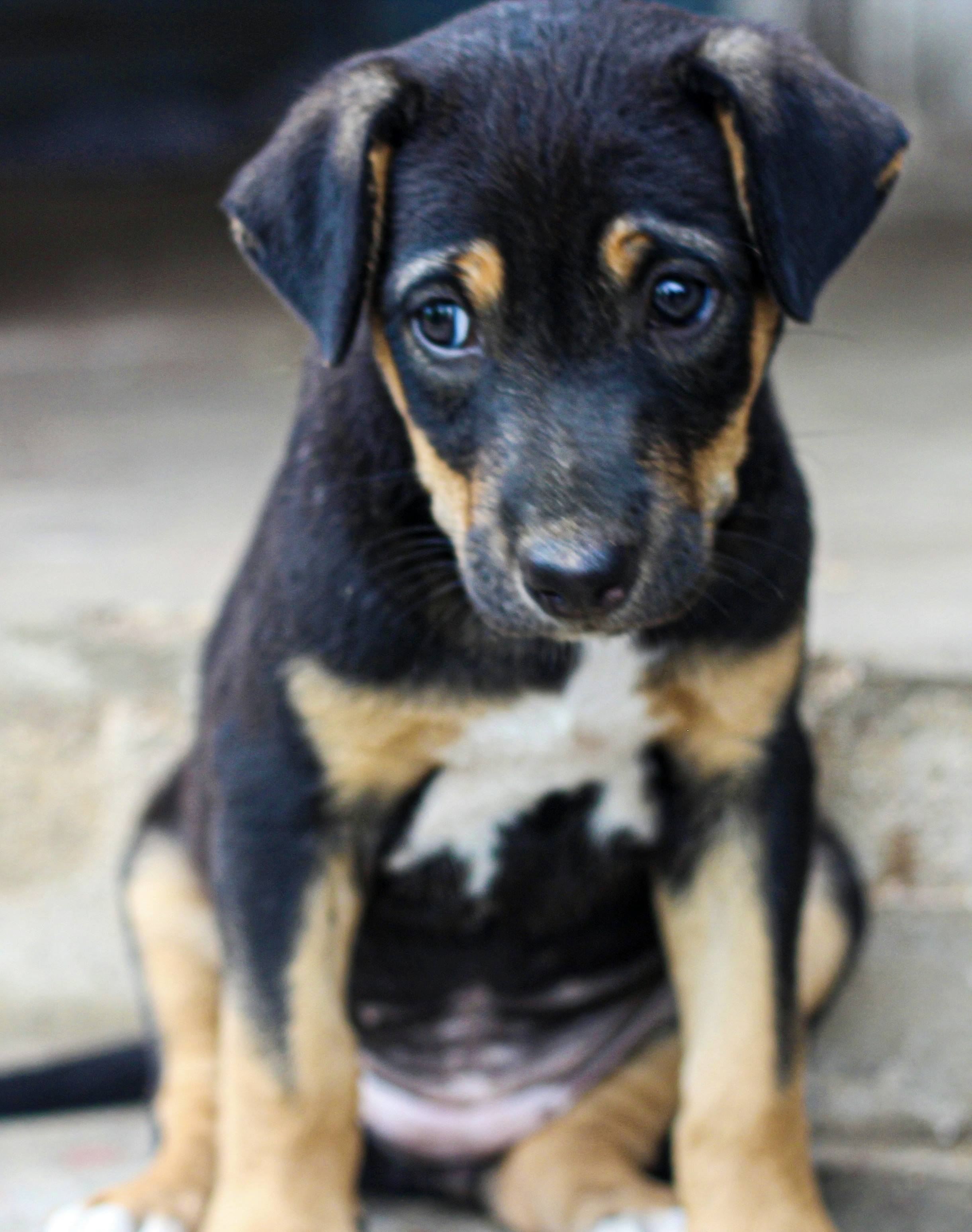
Numerous studies show emotions aren’t just human—they’re a mix of brain activity, behavior, and conscious feelings in many species. Emotions involve physical changes (like a racing heart), behavior (like a smile, a wagging tail), brain signals, thoughts, and feelings (that inner “yay!” or “oh no”). Humans report feelings easily. Animals can’t use words to definitively convey what they’re feeling, but their brains light up like ours during emotional moments. For animals, scientists look for brain patterns tied to awareness—ones that appear when animals make complex decisions beyond simple reflex. Research suggests that mammals, birds, and many more species experience emotions consciously, and this should have implications for how humans treat other living beings.
Animal Examples
Dogs showing mood-based choices: Dogs housed in enriched rooms (toys, social time) eagerly approach sounds that sometimes predict treats (optimistic). Dogs in plain kennels hesitate more (pessimistic). Scientists determine “happy” vs. “wary” by housing conditions and baseline behavior. Mood literally changes how dogs gamble on uncertainty.
Chimpanzees consoling each other: After fights, chimps embrace and groom the loser (not the winner), cutting stress hormones. This targeted care mirrors human empathy—suggesting they feel others’ distress.
Elephants mourning family: Wild elephants gently touch and linger over skeletons of dead relatives (even years later), ignoring the bones of strangers. This selective behavior shows emotional memory, not instinct.
Crows helping companions: Crows see a trapped friend and use tools to free them instead of eating available food. This costly choice suggests felt concern, like human friendship. When food is right there but they prioritize rescue, it shows that crows’ emotional bonds override immediate survival needs.
Why It Matters
Real emotions mean real suffering. Beyond factory farms and barren cages, we trap wildlife in roadside zoos, abandon pets to streets, poison rats in agony, test cosmetics on rabbits’ eyes, and hunt for sport while they feel terror. Humane care literally makes animals feel optimistic, and true compassion demands we rethink every human-animal interaction. Pets, farm animals, wildlife, lab subjects, even “pests”—all deserve recognition as emotional beings. Every choice—from what we buy, to how we eat, to how we vote, to what we speak up about—carries ethical weight.
Please subscribe!—a free weekly substack
Compassion in Action
Ask: “What’s causing my pet’s stress signals?”
• Separation whine? Puzzle feeder pre-departure
• Fireworks anxiety? White noise machine
• Pacing cat? Extra window perch
Science shows enriched environments create optimistic cognitive bias. You’re literally making them feel hopeful.
Sources:
• New York Declaration on Animal Consciousness (2024)
• Bekoff, The Emotional Lives of Animals (revised) (2024)
• Paul et al., “Comparative Science of Emotion,” Neurosci. Biobehav. Rev. 108 (2020): 749–70
• Mendl et al., “Cognitive Bias,” Trends Cogn. Sci. 14 (2010): 403–10
de Waal and Andrews, “Animal Compassion,” Neurosci. Biobehav. Rev. 82 (2017): 71–79