All over the U.S., backyard dogs are shivering through freezing nights with no real shelter. Here’s exactly what you can do today.

Share this post to help more dogs: https://thekindlife.substack.com/p/what-you-can-do-to-help-a-neglected

All over the U.S., backyard dogs are shivering through freezing nights with no real shelter. Here’s exactly what you can do today.
Share this post to help more dogs: https://thekindlife.substack.com/p/what-you-can-do-to-help-a-neglected
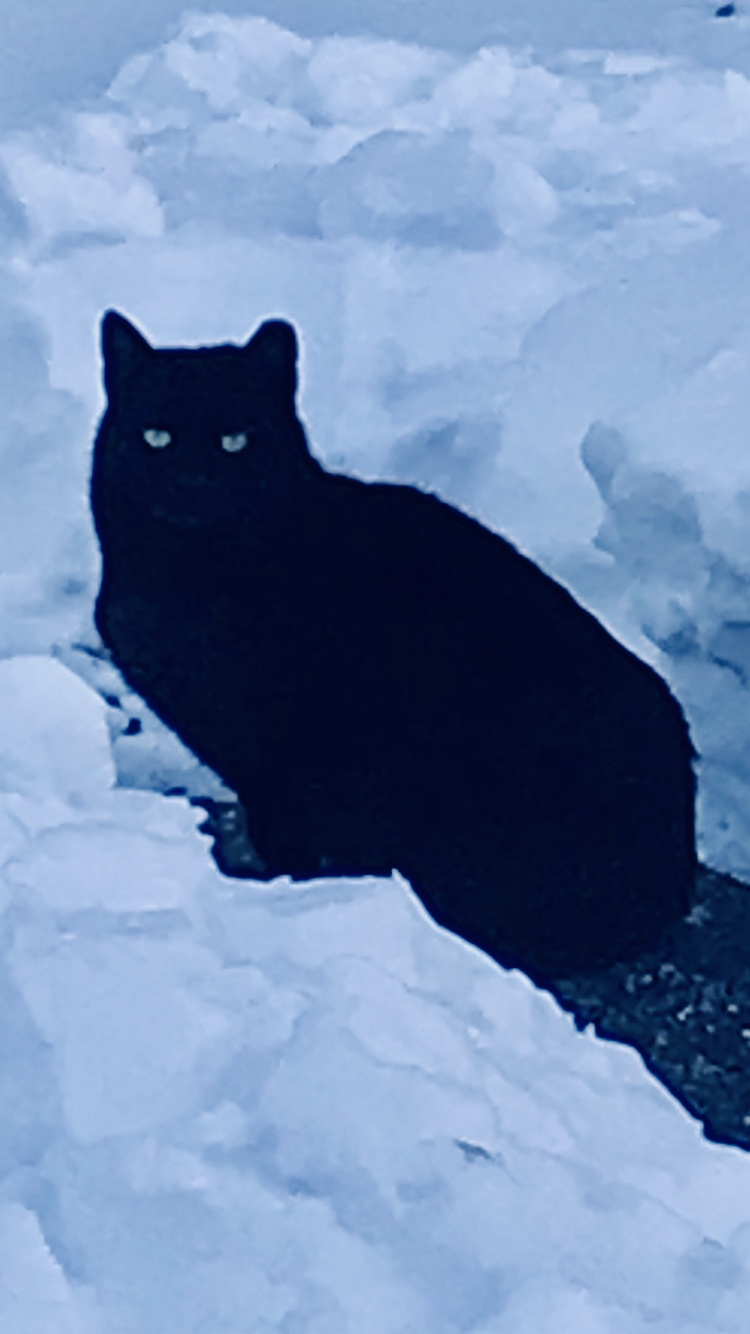
Half of Lost Cats Are Indoor-Only—Don’t Assume Every Outdoor Cat Is Feral
To read on Substack: https://thekindlife.substack.com/
When people see a cat outdoors, it’s not uncommon to assume that the cat is feral rather than lost. Contrary to popular belief, almost half of lost cats are indoor-only pets. Of the approximate 80 million “owned” cats in the US, estimates are that up to one-third of them go missing at some point, and a quarter of those of lost cats are never reunited with their families.
It can be difficult initially to tell the difference between a lost cat and a feral one, because both are likely to be wary. Here are some tips to help you to tell the difference, and what then to do.
Lost cat:
Feral cat:
What to do for a lost cat:
What to do for a feral cat:
Compassion in Action:
To find your local animal shelter, go to: https://www.chewy.com/g/animal-shelters-and-rescues

To read on substack: https://substack.com/home/post/p-182806305
Bridget Bardot was defined in the 1950s and 1960s by her on-screen and off-screen uninhibited sexuality, voluptuous figure, and tousled blond hair. In 1973 she abruptly left acting, saying “I gave my beauty and my youth to men, and now I am giving my wisdom and experience, the best of me, to animals. . . I don’t care about my past glory. That means nothing in the face of an animal that suffers, since it has no power, no words to defend itself.”
While indifferent to her past, Bardot leveraged her fame to advance awareness of and reforms in animal welfare. Her contributions in the field include establishing the Fondation Brigitte Bardot for the Welfare and Protection of Animals; filing thousands of investigations and lawsuits against animal cruelty; lobbying for legislation against factory farming, slaughterhouse practices, the pet trade, religious ritualized slaughter, fur trapping and hunting, foie gras practices, and animal experimentation; opposing bullfighting, horse racing, and horse slaughter; advocating for dog meat bans in South Korea; funding shelters, spay/neuter programs, and wildlife rehabilitation centers; traveling to the Arctic to bring attention to the clubbing of baby harp seals; and promoting vegetarianism (originally) and then veganism.
In an essay in Ingrid E. Newkirk’s book One Can Make a Difference, Bardot wrote, “Young people are always a hope. More of them must realize that the animal is not an object for profit, not a toy for our amusement, hunted for sport, not something to be cut up for his fur. They may see that the animal has the right to live, just as we have the right to live. We, the animals, the plants are the whole, and the whole makes a chain, and if we break that chain, all of humanity will pay.”
Compassion in Action:
SPCA International (←please click to learn more about what this worthy organization is doing) – The winter is harsh, and countless dogs and cats are shivering, weak, and alone. Their goal is to save as many lives as possible. Your gift can make it happen.

Please take a look on Substack and subscribe for free for a weekly dose of hope with real stories, insights, and simple actions you can take to improve animal welfare.
I’m Carolyn Cott, an animal-welfare advocate and professional writer who’s always asking, “How can we make things better for the creatures who share our world?” Perhaps you’re asking the same question.
Whether you’re a seasoned rescuer, a caring pet parent, or someone who simply wonders, “What can I do to help?” this space is for you. Here’s what you’ll find:
I know that a lot of writing about animal welfare can feel heavy or alarming. Here we shift the tone to hope and curiosity rather than fear, to connection over detachment, and to actions—big and small—that are doable and feel meaningful.
I’d love to hear from you: your thoughts, your questions, even weird things your dog or cat does (my ears will perk up), and topics you’d like to see featured.
Here’s to kindness in action, discovery in every paw print, and shared steps toward a gentler world. Please subscribe for a weekly letter delivered to your inbox and please share this post. Thank you!
Warmly,
Carolyn Cott
This post is public so feel free to share it.
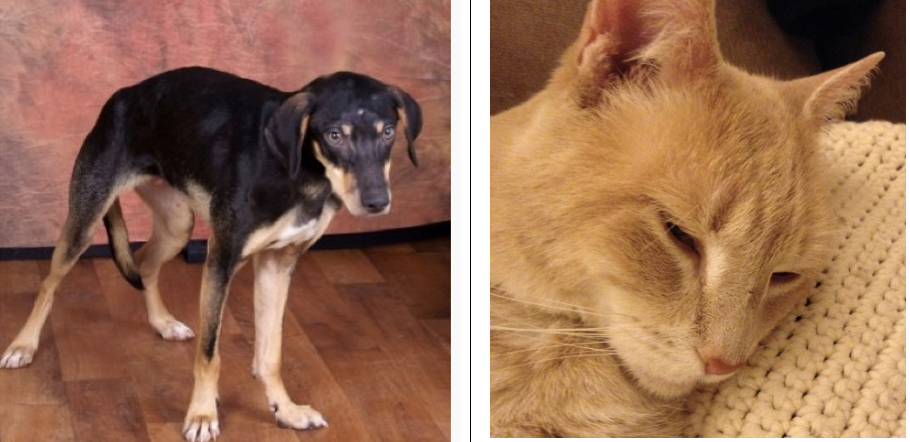
Adoption and Fostering
Adopting a pet from a shelter is one of the most direct ways to make a difference. Approximately 4.1 million shelter animals are adopted each year, but many more still need homes. Fostering is also crucial, as it opens up shelter space for additional animals in need.
Volunteering and Community Involvement
You can support animal welfare by:
Financial Support
There are multiple ways to provide financial assistance:
Additional Impactful Actions
Ethical Considerations
By combining these approaches, individuals can make a significant positive impact on animal welfare in their communities.
From Perplexity AI
The Humane Society of the United States
Easy steps to get involved and make a difference
Bruce E. Stidham / Stidz Media
All of us can make a difference for animals in our everyday lives, whether it’s by adopting a pet, choosing products not tested on animals, eating a humane diet or engaging your community in animal protection issues. With so many widespread problems facing animals, it takes all of our collective efforts to confront these cruelties and change things for the better.
Here are 50 ideas for ways you can help animals in your community and across the country. Please share this list with any of your friends and family members who are also interested in advocating for animal protection.

Rasulov / Shutterstock
1. Sign up for email alerts to get the latest news and quick, simple actions to help animals straight to your inbox.
2. Sign up to receive text message alerts to do the same right from your cell phone.
3. Follow us on Facebook, Twitter and Instagram.
4. Share our videos on your website, blog or social networking page.
5. Subscribe to our blog for the latest animal news.
6. Attend Animal Care Expo (location varies), Taking Action for Animals in Washington, D.C., or one of our many other events.
7. Write letters to the editor on our issues.
8. Urge family and friends to consider adopting from a shelter or rescue.
9. Post flyers in your neighborhood and local places of business.
10. Distribute flyers at events.
11. Encourage radio and television talk shows to discuss animal issues.
12. Sponsor a “Stop Puppy Mills” billboard in your community.
Burroblando
/
iStock.com
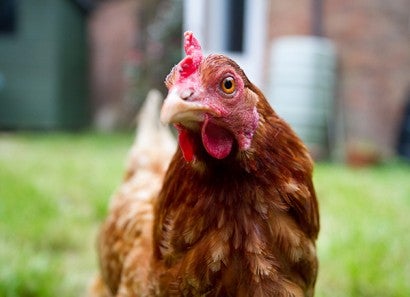
13. Ask your local restaurants and grocery stores to switch to cage-free eggs and to protect seals by boycotting Canadian seafood.
14. Join us in applauding pet stores that have taken a stand against puppy mills—support the more than 1,000 stores that have joined our Puppy-Friendly Pet Stores initiative. Encourage local stores that do sell puppies to stop.
15. Organize a World Spay Day event in your community.
16. Arrange coffee or lunch dates to introduce our fights to people who care about animals.
17. Work to get your local universities or your child’s schools to participate in Meatless Mondays or add vegetarian options to their menu.
18. Book and sponsor our subject matter experts for lectures at schools and universities—contact us if you’re interested!
19. Sponsor a local classroom and recommend our Nose-to-Tail program for elementary students or a young animal lover you may know.
20. See how you can raise funds for animals at MyHumane.
21. Make a special one-time gift or support all animals all year round with an automatic monthly gift.
22. Make a memorial gift in honor of a friend or animal companion or give gift memberships to friends or family members.
23. Host a house party and have an executive or subject matter expert speak to your guests.
24. Ensure the HSUS is eligible for giving programs at your workplace and explore matching gifts from your employer.
25. Donate your used vehicle to benefit the HSUS.
Meredith Lee
/
The HSUS
26. Include the HSUS as a beneficiary in your will.
27. Shop our Amazon storefront for branded apparel that lets you wear your support on your sleeve.
28. Purchase pet health insurance from Petplan and receive a 5% discount—and with each completed application, Petplan will make a $20 donation to our Humane Society Veterinary Medical Alliance’s Rural Area Veterinary Services program. Use code HSUS20.
29. Purchase or renew a subscription to All Animals magazine.
30. Order personal checks and create custom gifts from Zazzle.
31. Shop with our other corporate supporters and help animals with every purchase—coffee, flowers, wine, jewelry, and more.
32. Check out what people are selling to benefit us when you shop on eBay.

mustafagull / iStock.com
33. Purchase cruelty-free cosmetics and household products.
34. Participate in Meatless Mondays and find delicious plant-based recipes for your next meal.
35. Adopt a pet from a local animal shelter or rescue group.
36. Support fur-free fashion by consulting the HSUS’s humane shopping guide.
37. Encourage your office to implement dog-friendly policies. Our book, Dogs at Work: A Practical Guide to Creating Dog-Friendly Workplaces, provides step-by-step advice.
38. Turn your outdoor space into a backyard sanctuary and find humane ways to coexist with wildlife.
39. ID your animals and encourage others to do the same—and keep your cats safe indoors.
40. Prepare a disaster plan for your animals.
41. Learn what legislation is now pending in Congress and how you can help.
42. Learn how to help outdoor cats in your neighborhood.

Ken Canning
/
iStock.com
43. Encourage your local officials to find long-lasting, nonlethal solutions to conflicts with wildlife such as bats, coyotes, deer and more.
44. Provide for your animals’ future in case you can’t care for them.
45. Participate in Animal Rescue Team training and sign up to help animals in crisis.
46. Attend Humane Lobby Day for the opportunity to talk to state legislators about passing laws that protect animals.
47. Develop humane outreach programs in your community.
48. Determine which elected officials represent you at local, state, and federal levels. Attend lawmakers’ town meetings to urge them to support our fights.
49. Work for the passage of local ordinances in your community, for example, to protect chained dogs or improve the lives of dogs in puppy mills.
50. Volunteer!
https://secured.humanesociety.org/page/78105/subscribe/1?ea.tracking.id=web_footer Mobile number
By providing your mobile number, you agree to receive autodialed, recurring text messages from the HSUS with updates and ways you can help animals. Message and data rates may apply. Text STOP to 77879 to opt out, HELP for info. Privacy policy. Terms and conditions.
© 2024 The Humane Society of the United States Privacy policy and terms.
The Humane Society of the United States is registered as a 501(c)(3) nonprofit organization. Contributions to the HSUS are tax-deductible to the extent permitted by law. The HSUS’s tax identification number is 53-0225390.
Across the country, over a million animals live in facilities regulated by the U.S. Department of Agriculture—like dogs in puppy mills and laboratories or bears and primates in roadside zoos—and are suffering.
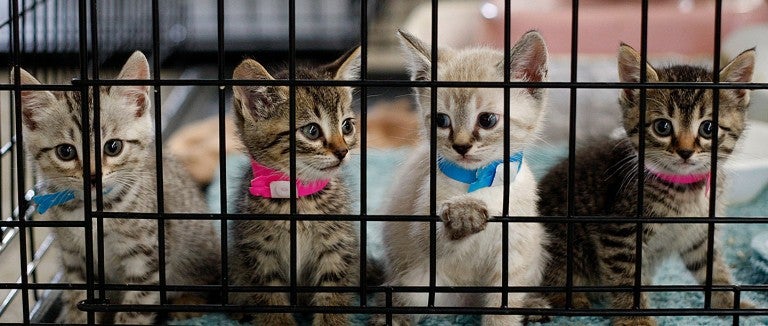
Public contact with wild animals compromises animal welfare, jeopardizes public health and safety and fuels the exotic pet trade. And puppies and kittens living in pet mills are often left in tiny cages with no stimulation or enrichment opportunities. That’s why we are encouraged by the USDA’s recent announcement that it plans to propose new rules that could improve conditions for animals used in roadside zoos, puppy mills, and research laboratories.
Please fill out the brief form to your congressperson by clicking on this link:
https://secured.humanesociety.org/page/119603/action/1?locale=en-US
Never, never be afraid to do what’s right, especially if the well-being of a person or animal is at stake. Society’s punishments are small compared to the wounds we inflict on our soul when we look the other way” – Author Unknown
|
|---|
|
|---|
Ingrid E. Newkirk
Founder
Pennsylvania Humane Lobby Day
April 29, 2019
Please join us for this exciting opportunity to discuss ways you can make a difference in the lives of animals. You’ll also have the chance to meet with your legislators about Pennsylvania’s Pet Retail Sale bill dubbed Victoria’s Law, ending live pigeon shoots, and the ivory trade in our state. Also, on our agenda is to further protect dogs by establishing standards for outdoor shelter as well as to allow research animals to be adopted upon completion of their participatory studies.
No prior experience is required to get involved. We will provide the support you need to make the largest impact!
We will be joined by humane legislators as well as a few canine special guests.
RSVP today to make big changes for animals in your state!
Monday, April 29
9 a.m. to 1:30 p.m.
Pennsylvania State Capitol Building
N 3rd St., Harrisburg, Pennsylvania 17120
Cost: Free
• Last day to register is April 22.
• Each attendee must complete a separate registration.
• If you plan to register someone after yourself, they MUST have a different email address.
• Add your mobile number to receive a text reminder and other ways to help animals via your phone (standard rates apply). If you currently receive texts from us, great! You’re already set to receive your text reminder.
• If you have questions, please email your state director Kristen Tullo at ktullo@humanesociety.org.
The reservation limit per user is 1 guests.
PLEASE GO HERE TO REGISTER:
http://action.humanesociety.org/site/Calendar?id=116959&view=RSVP

 Untold Animal Stories