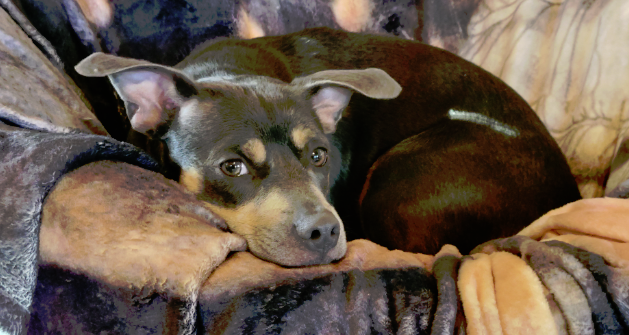
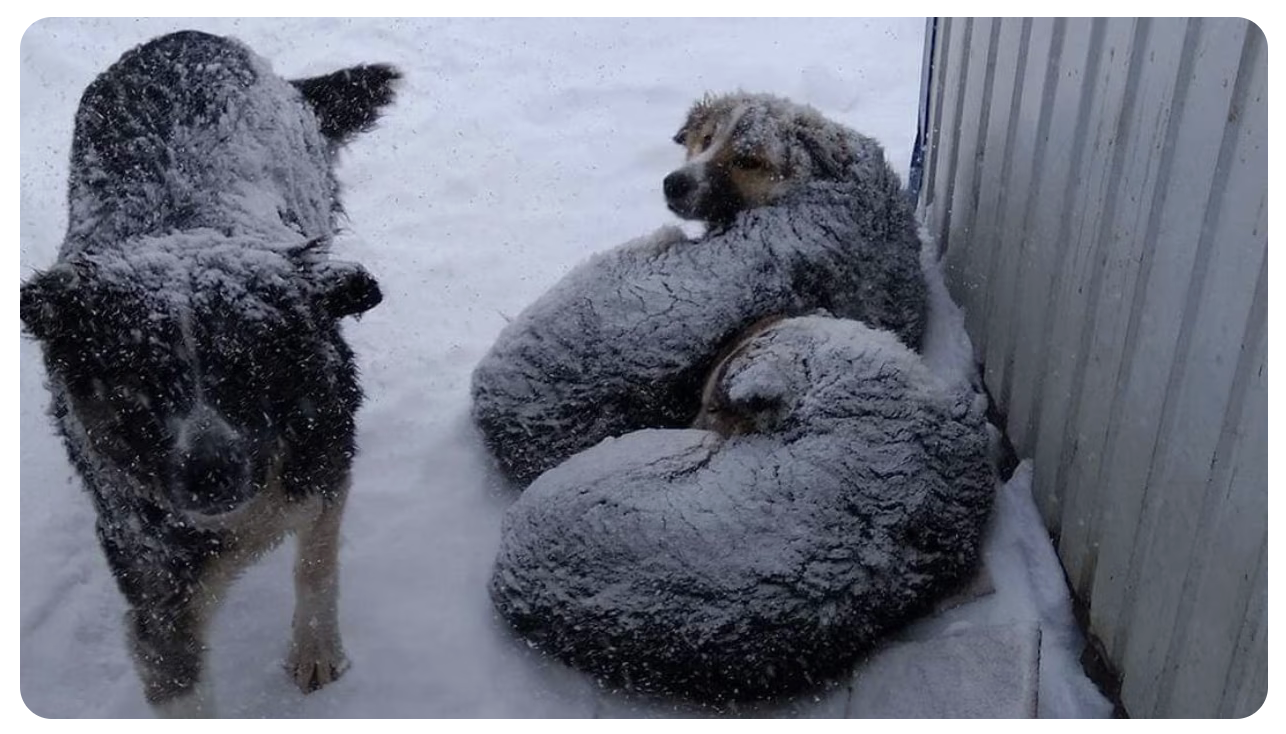
Right now, “backyard” dogs are being forced to endure biting winds, snow, and freezing rain with little—if anything—to protect them from the bitter cold. Without help, some won’t survive the harsh winter.
You can make a tremendous difference in the life of a lonely dog by rushing an emergency care package today. Choose as many gifts as you’d like for your care package below and help a dog before it’s too late.
The following local organizations are working around the clock to support displaced and lost pets. Visit their websites and social pages to find their latest requests and learn how to best help them, because some are at or reaching capacity for donations. Much of this list comes from World Animal Protection, which has more information here.
Pasadena Humane has taken in hundreds of animals affected by the Eaton fire. Due to overwhelming support they have no more capacity for material donations or fosters, and have put a pause on volunteer applications, but are in need of monetary donations.
Pet owners in need of supplies can come pick up items at Pasadena City College, Lot 4, Level 1.
Los Angeles Animal Services has issued an urgent plea for fosters and adopters to take pets from their crowded shelters. This will open space in their six shelters for displaced animals and pets. You can sign up to foster or adopt for free — the adoption fee has been waived.
LA Animal Services is also accepting monetary donations.
Best Friends has an emergency response team on the ground assisting other animal welfare organizations.
They have opened two pet pantries in Sawtelle and Granada Hills where people can pick up pet supplies.
They have requested donations of large airline crates to help transport dogs to their shelter in Utah. They also have a wishlist on their website with needed items that you can order and send to them.
Double Your Impact Today to Keep Cold Dogs Safe This WinterUntil midnight on December 31, every dollar you donate will be DOUBLED—up to $50,000—by a generous donor. That means your gift can go two times as far to protect vulnerable dogs enduring freezing temperatures around the world. But this matching opportunity won’t last, and neither will the time to help.Countless cats and dogs are facing brutal winter conditions—they’re cold, hungry, and alone. But your donation can change that. Together, we can provide them with the warmth, safety, and love they desperately need to survive this season.But we must act quickly. We can’t let this gift matching opportunity slip away. Right now, your kindness goes two times as far, reaching even more animals in need. Please help us meet our goal—without you, we can’t continue to save lives.Don’t miss the last matching gift challenge of the year. Donate now and make two times the impact!
It’s a myth that most cats will find their way home.
The most significant findings of a recent study were that a thorough physical search is likely to increase the chances of finding cats alive and most cats are found within a 500 m (1/3 mile) radius of their point of escape. Cats that were indoor-outdoor and allowed outside unsupervised traveled longer distances compared with indoor cats that were never allowed outside.
Shake a box of their favorite biscuits to entice them home.
If your cat has a favorite toy, try leaving it in your garden.
Cats have a strong sense of smell – leave out a regular blanket or bedding to encourage your cat out of hiding.
You might find your moggy is more active at night, especially during hotter weather. Go out with a friend or family member when it is dark to call for your cat by name.
Leave a bowl of water out and some food. A tasty treat such as tuna might be enough to bring your cat home.
Is my cat lost?
Not all cats are house cats. Some are inclined to wander, especially if there is fuss or food to be found elsewhere. It is normal for your cat to pop in and out throughout the day – especially if they have a taste for adventure. If your cat hasn’t returned by the time dinner time comes around, however, you might be worried that your cat is missing. Try not to panic. Cats can disappear for days at a time and return with no trouble, looking perfectly healthy. While you might be worried, they’re likely to stroll in and wonder what all the fuss is about. If they haven’t yet returned, give them a few hours before you make a plan of action.
I’ve lost my cat. What can I do?
If your pet still hasn’t returned home, there are a few simple things you can do to help find your missing cat. The first thing to do is to check your own home and garden. Cats love small cosy spaces and might be hiding in the unlikeliest of places – from cupboards to garden sheds. Check every room in your house, including any outbuildings and sheds too. Behind curtains, under duvets and even in household appliances like tumble dryers and washing machines. If you’re having building work completed, check under floorboards or any holes big enough for a cat to nestle into.
If you’re sure your cat isn’t at home, the next thing to do is to speak to your neighbors as well as any delivery people nearby. They might have seen your lost cat somewhere and can let you know of their whereabouts. Ask them to check their own sheds and outbuildings, as well as under any parked cars in the neighborhood. Remember to check homes on both sides of the road, as well as homes that have gardens that back on to yours. You could even provide neighbours with an up to date photo and your cat’s name, reminding them to keep an eye out.
Advertising on social media is a great way to get the message out that your cat is missing, particularly if you’re a member of a local Facebook community group. Post a clear photo of your cat, their name and your contact details.
It is also useful to keep a list of useful phone numbers pinned to a board in your kitchen. You can download our list below, complete with handy contact details.
How do I get my cat to come home?
If putting out the word about your missing cat hasn’t worked, there are some great tips and tricks to try at home. Cats are heavily reliant on scent and leaving out items that may entice them back to you is well worth an attempt. Things to try include the following:
Leave your cat’s favorite toy or some of their unwashed bedding in the garden
Leave an unwashed item of your clothing, which will have your scent on it
Place any used litter from your cat’s litter tray outside, or perhaps the contents of your hoover for a smell of home
Call out for your cat in the garden early in the morning or late at night, when everywhere is likely to be quieter
Shake a box of their favorite biscuits or treats
Keep calling your cat, leaving enough time for them to hear you and be led home
Lost your cat? Follow our checklist
If you’re beginning the search for a missing cat, download our checklist to tick off each action as you do it.
Search first. Check small spaces in your home – everywhere from cosy cupboards to garden sheds, garages and outbuildings
Ask your neighbors. They’ll need to check their property, sheds and garages too.
Is your cat microchipped? For England , talk to Petlog on 01296 737 600 or Identibase on 01904 487 600 to register your cat as missing
Speak to your local Cats Protection branch or centre to see if they’ve had a cat handed in to them. To find one in your area, visit our Find Us page and enter your postcode
Get in touch with animal shelters in your area. Visit catchat.org to find those local to you
Contact all vet practices in the area
Make and put up flyers with your cat’s photo and description to place around the local area – or post them through your neighbour’s letterboxes
Post a description of your cat on your Facebook page, as well as any local community Facebook groups
Microchipping your cat is the most effective way to ensure that they can be identified if they go missing, and keeping your details up to date can increase the likelihood of a happy reunion. If your lost cat is found and taken to a vet or animal welfare organisation, you’ll be contacted quickly.
All of us can make a difference for animals in our everyday lives, whether it’s by adopting a pet, choosing products not tested on animals, eating a humane diet or engaging your community in animal protection issues. With so many widespread problems facing animals, it takes all of our collective efforts to confront these cruelties and change things for the better.
Here are 50 ideas for ways you can help animals in your community and across the country. Please share this list with any of your friends and family members who are also interested in advocating for animal protection.
14. Join us in applauding pet stores that have taken a stand against puppy mills—support the more than 1,000 stores that have joined our Puppy-Friendly Pet Stores initiative. Encourage local stores that do sell puppies to stop.
27. Shop our Amazon storefront for branded apparel that lets you wear your support on your sleeve.
28. Purchase pet health insurance from Petplan and receive a 5% discount—and with each completed application, Petplan will make a $20 donation to our Humane Society Veterinary Medical Alliance’s Rural Area Veterinary Services program. Use code HSUS20.
By providing your mobile number, you agree to receive autodialed, recurring text messages from the HSUS with updates and ways you can help animals. Message and data rates may apply. Text STOP to 77879 to opt out, HELP for info. Privacy policy.Terms and conditions.
The Humane Society of the United States is registered as a 501(c)(3) nonprofit organization. Contributions to the HSUS are tax-deductible to the extent permitted by law. The HSUS’s tax identification number is 53-0225390.
I went to New Orleans to visit my daughter and her partner. We stood at the shore of the mighty Mississippi. We visited the French Quarter in the morning, wandering past colorful buildings with filigree iron balconies and open bars with early drinkers and jazz. We stopped into a couple shops, eying the array of voodoo paraphernalia. We drank chicory coffee and ate beignets under live oak trees draped with Spanish moss.
There is a significant homeless population in New Orleans, and many stray cats. On one corner in the French Quarter a homeless man slept soundly, perhaps drunkenly, on top of his belongings. Standing beside him meowing loudly and repeatedly was an adolescent, skinny, rough-furred black cat, likely begging for a scrap of food from a man who had fed her before. I wanted to pick up the hungry cat and take her with me, but where would I take her? I quickly looked on my phone at listings for New Orleans animal rescue but found only adoption sites and nothing about picking up or where to take a found cat.
I ended up walking away, feeling helpless. There was, at least, a nearby puddle the cat could drink from, since shop owners seem to hose down the sidewalks routinely. This pleading little cat stayed with me, tinging the rest of my day with worrying thoughts.
What I have learned since then about what to do when you see a homeless cat. This is an excellent how-to article by Adam Lee-Smith.
You’ll be hard-pressed to find a US city that isn’t home to a stray cat population. According to some estimates, between 60 and 100 million stray cats live in the US. With roughly 85 million pet cats in the US, there are nearly as many stray cats as pet cats.
So if you find a helpless feline on the street and you want to help, what’s the process? Read on to learn how to tell the difference between a feral and a stray, how to approach a stray cat, and how to care for a stray once you’ve successfully rescued them.
Try to determine whether the cat is stray or feral
There’s a big difference between feral and stray cats. Feral cats are essentially wild cats that have lived outside their entire lives and avoid human contact. Meanwhile, stray cats are pets that have been abandoned or lost.
Stray cats are much easier to secure and interact with than feral cats. Often, you can lure an abandoned or lost cat into a carrier by setting food as a trap.
Both types of cats should be rescued to help reduce cat populations. While it’s rare for feral cats to become family pets, it’s still important to take them to your local humane society or animal shelter if you can.
Most free-roaming cats have not been vaccinated against deadly diseases. Petting or touching a free-roaming cat puts you and your pets at risk of diseases like rabies and bacterial infections like cat scratch fever.
It’s a good idea to avoid picking up a free-roaming cat altogether, even to rescue them. If you’re unable to secure them using a trap, call in the professionals.
Use food and water to lure them
The best way to get a stray cat to trust you is with food and water. Set down some strong-smelling cat food or treats to help draw them out of hiding.
While you may be tempted to feed them something more enticing, like a piece of ham, it’s best to stick to cat food to prevent stomach upset. Avoid putting out any milk — contrary to popular belief, cats are actually lactose intolerant, and consuming dairy products could make them sick.
Try not to crowd the cat or stare at them while they eat. Cats, especially strays, are clever creatures that value their privacy. Be patient, as it may take some time to build trust.
Be mindful of your body language
When approaching a stray cat, you’ll want to use a low stance, as the cat will find it less threatening. A side-on stance is also a good posture to take, as it makes you look smaller and less threatening.
Speak to the cat in a soft, reassuring voice, which will help keep them calm as you approach. Cats also see direct eye contact as a way of establishing dominance, so you should avoid looking a stray in the eye.
Watch for signs of aggression
Chances are you’ll be unsure whether a cat is feral or stray at first glance. As cats can quickly become defensive when frightened, you should wear long sleeves and gloves to avoid serious bites or scratches during a rescue.
When approaching a stray cat, watch out for obvious signs of aggression. Signs of aggression and fear include:
If you notice any of these signs of aggression, give the cat space, and back off until they calm down.
Practice road safety during a rescue
You may see a stray cat at an inconvenient moment, like while you’re driving down the highway. During a stray cat rescue, always practice road safety. You could endanger yourself and others by suddenly pulling over to help a cat stranded near the road.
Pull over at an appropriate place, and use your hazard lights to avoid an accident. If you can’t pull over safely, consider coming back another time or calling the local animal control facility.
How long does it take for a stray cat to trust you?
The amount of time it takes to gain a stray cat’s trust depends on the cat. If they’re used to people and aren’t fearful, a stray cat may immediately approach you. Stray cats that are injured or wary of people may take a month (or even longer) to trust you.
While you may be tempted to feed a stray cat for several weeks to gain their trust, use caution. Leaving out food for a stray may attract other feral or stray cats. These cats might carry diseases, which they could pass on to other pets in your neighborhood. If you’re going to feed a stray cat, it’s best to do it when the cat is around to eat the food immediately.
A good way of building trust with a stray cat is to build a cat-friendly shelter near your home. This will give the cat somewhere warm and comfortable to rest, and it’ll also help them get used to your presence. Try not to build the shelter too close to your house, as it might intimidate the cat.
How to secure a stray cat
Coming prepared to rescue a stray cat is key to success. Here are a few things you can do to ensure your rescue goes smoothly.
Packing a stray cat rescue kit
If you find yourself rescuing stray cats regularly, keep a rescue kit in your car. A rescue kit for a stray cat may include:
A sturdy cat carrier
Bottled water
Canned cat food
Blankets
A first aid kit
Information on local shelters and 24/7 veterinarians
Carrying a rescue kit with you will mean you’re prepared to pick up a stray cat at any time, and you won’t have to leave the stray alone to gather supplies.
Setting a trap
If you find a stray cat that won’t get into a carrier, you can use a cat trap to secure them. A cat trap involves leaving out food in a trap and lying in wait. There are several types of cat traps, including drop traps and traps with trigger plates. However, traps can be expensive and difficult to use, so you may be better off contacting local authorities to help with the capture.
As cats are unpredictable, you shouldn’t try to pick up or grab a cat by hand. Doing so could result in injuries to you and the feline. If you can’t lure a cat into a carrier or a trap, you should contact animal control or your local humane society. If you live in a rural area, you may need to contact the police for assistance.
What to do with a stray cat
Once you’ve secured a stray cat, you might be unsure of the best course of action. Here are a few next steps you can take to keep the cat happy and healthy.
Take the cat to the vet
The first thing to do is to take the cat to a local vet. The vet will be able to check the cat for a microchip and tell you for sure whether the cat is stray or feral.
Ask the vet about local stray cat rescue facilities as well. While many of these facilities won’t be able to take in or rehome stray cats, some will cover certain vet costs, like spay/neuter and vaccinations.
Keeping a stray cat as a pet
If you find an adorable stray that you’d love to give a “furever” home, there are a few things to consider. Just because you possess a stray doesn’t automatically make you their lawful pet parent. There are different laws on pet ownership from state to state and city to city, so check with your local government.
Usually, there’s a holding period for strays before they lawfully belong to you. This holding period varies depending on where you live. During this time, you’ll have to take appropriate steps to show that you’re trying to find the cat’s original owner. You’ll also need to take steps to show that you are the new owner.
You can prove you’re trying to find the cat’s original owner by having them checked for a microchip, posting online, and putting up flyers around your neighborhood.
If you’re unsuccessful in finding the original owner, you can take steps to show you’re the new owner, like covering costs for microchipping, vaccinations, ID tags, flea treatments, etc.
The following is an excerpt from the Petfinder Blog • by Susan Greene, Petfinder outreach team
Almost every summer, Carol goes out on the porch of her remote rural home and discovers an unfamiliar feline face. Another cat or kitten has been thoughtlessly abandoned during the night.
Carol is a senior citizen, and all of her own cats are fixed. Her income is fixed as well, and she has no money for vet visits for new cats.
Yet the abandonment continues.
I volunteer with a feral-cat trap/neuter/return group in addition to my job with Petfinder. We helped neuter Carol’s outdoor cats in 2002 (all of them were offspring of cats abandoned on her property), so luckily we are there to help when new cats appear in her life. When my phone rang this Sunday, the news was particularly bad: Two female cats and three tiny kittens (pictured) had been left at Carol’s door.
Abandonment of domestic animals is illegal. In New York State it is punishable by up to a $1,000 fine or a year in prison. However, it’s hard to catch someone who merely slows down and tosses a cat alongside a country road or leaves a box of kittens at a campground.
If you wander outside one day with your morning coffee and are greeted by the forlorn mews of an abandoned cat or kittens, you might be tempted to hope they will just “go away.” However, ignoring them will only make the situation worse. A dumped pregnant cat may shortly have kittens beneath your porch. Healthy kittens, abandoned without their mother, will soon starve or become ill or injured.
While you absolutely did not cause the problem, it has become yours, much like a storm that drops a tree in your yard. It’s unexpected and even may cost money to resolve, but nonetheless, there it is, and it’s not going to go away!
Make sure the cat or kitten has food, water, and shelter. If you can bring her into your home, keep her away from your own pets until you are certain she is healthy.
Call your local animal shelter or humane agency for guidance To find shelters and adoption groups in your area, use Petfinder’ s animal welfare group search tool. They may be able to take your foundling and find her a new home. Be sure to give a donation if they do. However, if they are unable to accept the cat, or if you prefer to care for her yourself, ask the shelter or rescue group these questions:
Do they have advice on caring for very young kittens?
Do they have a bulletin board where you can post a flyer for your foundling to help find her a home?
Are they aware of other organizations that might be able to help you?
Are there low-cost spay/neuter services available locally if you need them?
List the cat in your local “found” lists If the cat stays in your care, be sure your local shelter places her on their “found” list. Perhaps she was not abandoned. She may be someone’s beloved pet who wandered away or accidentally hitched a ride in the back of a truck. Speak with your neighbors and post flyers. In searching for a possible owner, you may even find someone interested in adopting the cat.
You can also post her to the “found pets” section — and, if no one steps forward to claim her, to the “pets for adoption” section, of the Petfinder classifieds.
Report abandoned pets to your local law enforcement agency. Make sure to make a statement in writing. Even if police are unable to locate the abandoner, the incident may find its way into the local news police blotter.
Try to find the abandoned cat a home The Petfinder library has an excellent article on finding a home for a pet. Please be certain, before you let a cat or kitten leave your care, that the pet is either spay/neutered or is going to a home committed to spay/neuter.
One summer I was walking by our local grocery and noted a woman on the sidewalk with a box of “free kittens.” I went to speak to her, planning to explain why this was not the best way to find a home for cats. However, she admitted she previously had dumped kittens at local farms — thinking they wanted them — until she read in the newspaper that it was illegal!
While handing kittens out to strangers on the street isn’t the safest way to adopt them out, it was definitely an improvement over abandonment, and it did get her into the public eye. We could offer her resources to get her own cat fixed and take the kittens to get them into foster homes, thus ending the cycle of kittens and more kittens at her home.
By Marc-André A seven-year-old London cat who lives at a safe house for women who have been enslaved, exploited and trafficked has been named National Cat of the Year by Cats Protection.Black-and-white Marley beat thousands of other entries to be named overall winner in the nation’s biggest celebration of cats, held at London’s One Marylebone on 18 September and hosted by novelist and self-confessed cat lady Dawn O’Porter.Marley was honoured in recognition of how he helps the guests on their journey to freedom at Caritas Bakhita House in London through his innate instinct for knowing when they need his comforting presence by their side.“I’m so proud Marley has won National Cat of the Year – he’s a wonderful example of the power of love,” said Karen Anstiss, 59, Head of Bakhita House, currently home to 11 women from 11 different countries. “Often Marley placing a paw on our guests’ legs is the first kindness they’ve experienced in years. He has this incredible gift of empathy and has assisted many, many women along the road to recovery.
“We adopted Marley four years ago – he’d been in a rescue shelter and then taken in by a family whose cat bullied him. Before he went into rescue, I think he had a hard time. So, he recognises our guests’ trauma because he has suffered too.
“Initially he sits really close, to see how the women respond. Then he gently puts a paw on their leg letting them know they’re not alone. We had one guest who was so traumatised she didn’t speak to us – only to Marley – and because she trusted him, over time we were able to reach her.
“Marley is also staff supervisor, security guard – patrolling the grounds – and chief gardener. Nobody is allowed to touch his patch of daisies. In art therapy he’s a popular muse and one guest even composed a song for him. At 7pm staff and guests sit down for dinner together, like a family, and Marley joins us. Thank you to Cats Protection for showing how incredible cats are. Marley really is the fluffy heart of our home.”
To reach the final four cats in the National Cat Awards, Marley first won the Incredible Cats category – which celebrates catswhose bond with their humans inspires extraordinary acts of love in a public vote.He was then selected as overall National Cat of the Year by a panel of celebrity judges.
As overall winner, Marley won a trophy and prize package, which included a £200 pet store voucher. He follows in the paw prints of last year’s winner Zebby who won National Cat of the Year 2023 in recognition of how he supports his deaf owner Genevieve Moss by alerting her to sounds around the home.
In addition to people, pets have benefitted from blankets and repaired windows in their homes, but you’ve also helped us provide aid for them in many other ways. That includes providing cat and dog food to animal lovers and shelters looking after animals left to fend for themselves amid Russian attacks. With medical care needed for many of them, getting help with food takes some financial stress off their plates.
Photo: Patron Pet Center
One organization we’ve worked closely with is Patron Pet Center in Kyiv. Volunteers there have worked tirelessly to help rescue and care for animals evacuated from the front lines, animals which arrive on a daily basis as the cities where they live are hit with missile after missile. In recent months, Patron has had up to 200 animals at a time, who need food, care, and safety after their ordeal.
The rescue ensures pets get veterinary exams, vaccines, and spay and neuter surgeries, all while caring for their more immediate needs. Volunteers have continued this work despite their own issues with blackouts. You can read more about their work here. If you’d like to support their efforts, click here!