
Here is the article from the NRDC:
Company Stops Live Exports of Animals & Share Price Rises
Exporting of live animals – it’s misery and suffering for animals, and it turns out it’s bad for business. A major international exporter of live animals—agribusiness giant Elders, an Australian-based company—just announced that it will stop shipping live animals from Australia. Stock prices rose immediately.
 Elders, which was a pioneer in the live export industry, will immediately cease shipping cattle to China. Perhaps other industry giants will take note, if for no other reason than economic gain, and follow suit.
For more information: http://bit.ly/2ddL8wE
Go Ahead: Put Some Water Out for Strays…
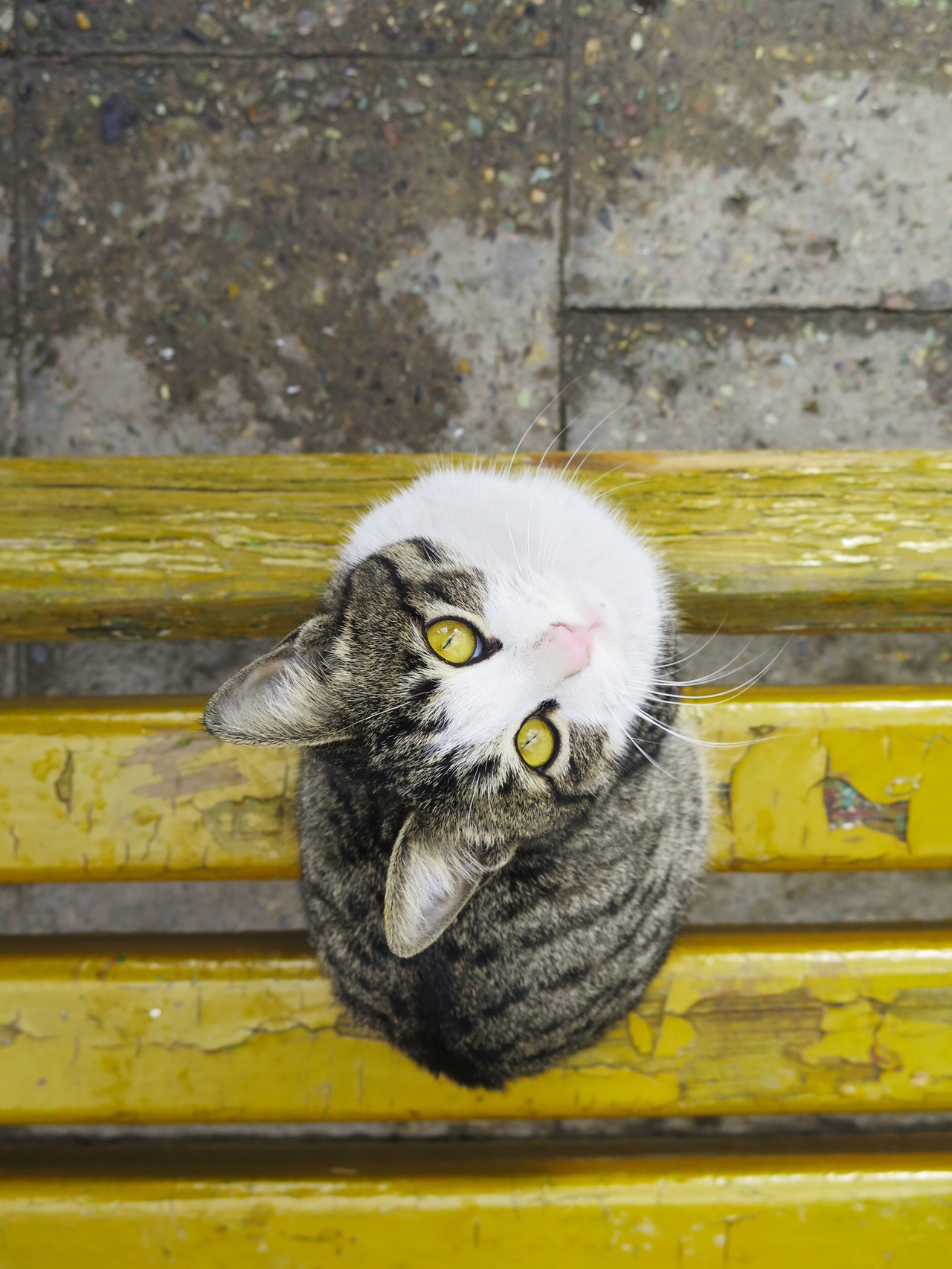 It’s August, it’s hot, and rain is scarce in many regions. Imagine being thirsty.
A bowl of water, refilled daily, along with some food, can ease suffering immensely.
Thank you….
Armchair Animal Activism – part 3
-
You make our work possible. Donate now to help animals who desperately need you.
46 dogs rescued from cruelty and neglect in Arkansas this week. Animal lovers like you made this possible.
Don’t be silenced. Speak out against dangerous “ag-gag” bills to help protect farm animals!

Meet the love of your life through the Shelter Pet Project.
You’re invited to a special screening of At the Fork, a new film taking an unbiased look at the lives of animals in our food system.

Are you an eBay user? Whether you’re shopping or selling, you can donate back to our lifesaving work for animals!


ARMCHAIR ANIMAL ACTIVISM – Ask Sec. of State John Kerry in Intervene for Former Bomb-Sniffing Dogs in a US-Owned Facility
A Bill to Reduce Pet Overpopulation on Puerto Rico is under Consideration….please sign this letter urging support of the legislation
A bill to improve the lives of animals is currently under consideration in Puerto Rico’s legislature. P de la C 2950 / P del S 1631 is designed to reduce pet overpopulation on the island, which could save millions of dollars and improve the welfare of animals.
This legislation would enact an effective spay/neuter policy and facilitate the participation of mainland veterinarians to perform high volume spay/neuter clinics in Puerto Rico. In addition, this legislation would encourage adoption, place a temporary moratorium on the sale of cats and dogs for five years, and create a coalition to help citizens stop overpopulation in their communities.
Pet overpopulation in Puerto Rico is severe. P de la C 2950 / P del S 1631 will protect animals from cruelty and neglect while simultaneously saving Puerto Rico’s government millions of dollars and empowering its citizens.
TAKE ACTION
Please write to your senator and representative today and urge them to vote yes on P de la C 2950 / P del S 1631:

Apparently the Chipmunk Thinks He Should Return What He Stole
Armchair Animal Activism (it works)- Part I
From the comfort of your living room, you can have an impact on humane treatment of animals. This is part I in a series that provides ideas on how to do so. Today’s topic is the hundreds of thousands of homeless, unspayed/unneutered dogs and cats in the South.
Several thousand rescue dogs are transported yearly from the South to the Northeast for adoption. Why? The cultural norm in many places of the South is not to spay and neuter, and in many places, not to inoculate pets against disease. There are millions of homeless dogs wandering around—and starving—in the South. There are several thousands in high-kill shelters, because adoption is not a common practice either.
You can do something about it. Cultural norms are shifted over time through the steady application of change. For example, remember how we used to call humane organizations “pounds” and homeless pets “strays”? That gradual shift away from “pound” has had an impact on how people perceive humane organizations, and the introduction of the word “rescue” to adopted animals positions the rescuers to have the added benefit of feeling good about themselves.
But back to the Southern dogs. I was told by owner of Main Line Animal Rescue that the way to make an impact on treatment of dogs from the south is to write letters to the editors of the papers there. Below is a sample letter you can use or adjust as you see fit. Search this link ( http://www.50states.com/news/ ) to identify newspapers. Copy/tailor and email the letter to the editor—be sure to include your contact info, or the editors will not publish the letters. Thank you!
your name
address
phone
email
date
Dear Editor,
I have a friend who had good fortune to adopt a sweet dog from Alabama via a Pennsylvania animal rescue. “Finn” is a hound mix and is doing well despite a rough beginning: unneutered, homeless, and unvaccinated, Finn contracted distemper, from which he has recovered, despite lingering gait issues.
I’ve learned that in areas, spaying/neutering, and vaccinating pets are not always common practice. Yet pet overpopulation is rampant, and in many states hundreds of thousands of dogs and cats are homeless and die slowly from starvation, disease, and injury. You can help prevent pet overpopulation and suffering.
Please consider the benefits of spaying and neutering—this prevents unwanted animals from being born, improves the animals’ disposition, and is not perceived as loss by the animals. Here is a link: http://www.aspca.org/pet-care/general-pet-care/low-cost-spayneuter-programs where you can find low-cost clinics in your area. Alternatively, please consider asking your local vets to provide this community service, for the good of the animals and the community (and good PR for the vet).
Respectfully,
[your name]
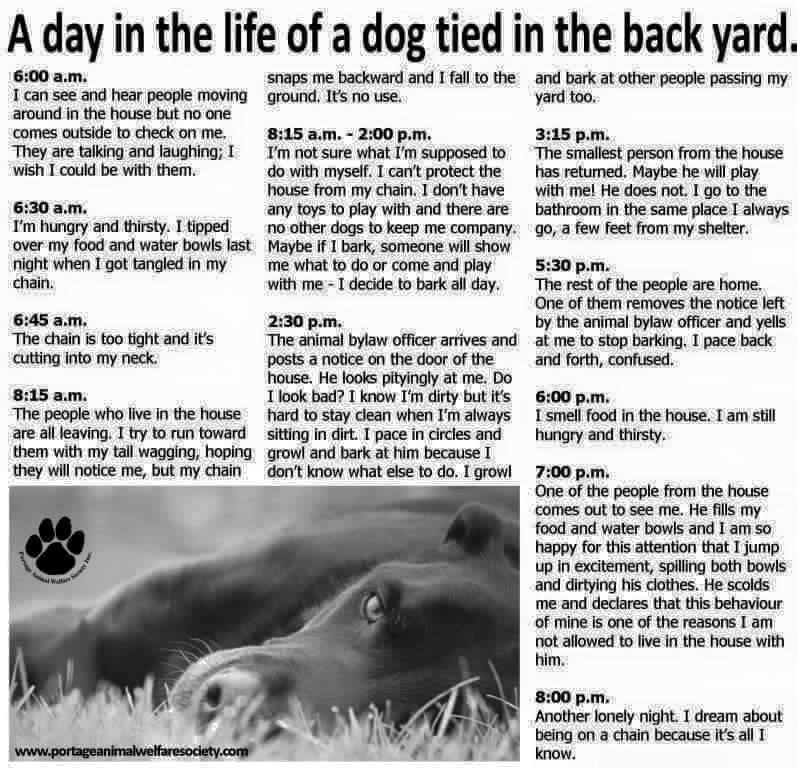
A Day in the Life of a Dog Tied in the Backyard
You Can Help Protect Women and Pets From Domestic Violence
The proposed federal PAWS Act recognizes that domestic violence impacts all members of the family—including the four-legged

Goal: 25,000 • Progress: 14,391 
Sponsored by: Humane Society of the United States
No one should have to choose between leaving an abuser and protecting a beloved pet, yet far too many women are forced to make this very choice.
The solution is the Pet and Women Safety Act (PAWS) Act. This legislation would help protect women and their pets in two ways: by setting a national policy that includes protections for pets of domestic violence victims and by establishing a federal grant program to assist in acquiring a safe shelter for pets.
The PAWS Act recognizes that domestic violence impacts all members of the family — including the four-legged.
Tell Congress you want pets to be protected under the Pets and Women Safety Act! US readerslease consider signing this petition. Thank you!
 Untold Animal Stories
