PA animal people: Please call your senator today and urge her/him to please vote YES ON HB 1216 to ALLOW OFFICERS TO RESCUE DISTRESS DOGS/CATS IN HOT CARS. The bill is stalled
To find your legislator:

What does it take of us to help an animal in need? A bit of time, perhaps, and some inconvenience. We’ve helped one animal to suffer less. This small victory does not have a widespread impact, but it certainly changes the world for that one animal.
It’s easy to bypass an animal in distress, a lost dog, a stray cat, injured creature, a starving animal. It’s easy to turn away and to assume that others will do something. Most of us don’t do anything. It requires giving of ourselves or our time in some small capacity, and we’re busy, busy, busy. I believe that each time we turn away, some small portion of our humanity is eroded.
Years ago I made an agreement with myself: when I see an animal in need, I will do whatever I can to remedy the situation. I’ve found that “whatever I can do” is generally more than I had originally thought. This has led me to capture stray dogs and humanely trap stray cats and deliver them to the SPCA, to gently instruct children and others in kindness to animals, to intervene when I see human cruelty to animals, to become a vegetarian, to inconveniently arrive late at meetings when I’m rescuing an animal. I sleep better at night for all this.
My dream is to have a widespread impact on humane treatment of animals. If each of us engaged in some small gesture of kindness, of help toward animals, so much suffering could be reduced. Will you join me?
A quick email, a phone call from you can facilitate passage of SB 373 in the PA House and end 24/7 inclement weather tethering for dogs.
article from http://www.humane-pa.org
Senator Richard Alloway + 18 co-sponsors introduced SB 373, which overwhelmingly passed the Senate 45-4! Now it needs to pass the House. Please call, write, e-mail, or use social media to contact your State Representative to request their support of SB 373. Your message can be short, stating simply “I am a constituent – please support SB 373, the inclement weather/anti-tethering bill.”
Please follow up by making a call to Representative Ron Marsico, Chairman of the Judiciary Committee, to ask him to move SB 373 from his committee: Rep. Marsico: (717) 783-2014 or rmarsico@pahousegop.com.
SB 373 will:
What does “chaining” or “tethering” of dogs mean?
These terms refer to the practice of fastening a dog to a stationary object or stake, usually in the owner’s backyard, as a means of keeping the animal under control. These terms do not refer to the periods when an animal is walked on a leash.
Why is tethering dogs inhumane?
Dogs are naturally social animals who thrive on interaction with people and other animals. A dog kept chained in one spot for hours, days, months or even years suffers immense psychological damage. An otherwise friendly and docile dog, when kept continuously chained, becomes neurotic, unhappy, anxious and often aggressive.
In many cases, the necks of chained dogs become raw and covered with sores, the result of improperly fitted collars and the dogs’ constant yanking and straining to escape confinement. Dogs have even been found with collars embedded in their necks, the result of years of neglect at the end of a chain.
In addition to The ASPCA, The Humane Society of the United States and numerous animal experts, even the U. S. Department of Agriculture issued a statement in the July 2, 1996, Federal Register against tethering: “Our experience in enforcing the Animal Welfare Act has led us to conclude that continuous confinement of dogs by a tether is inhumane. A tether significantly restricts a dog’s movement. A tether can also become tangled around or hooked on the dog’s shelter structure or other objects, further restricting the dog’s movement and potentially causing injury.”
What effects does tethering have on the community?
Banning permanent tethering makes for safer neighborhoods and happier dogs all without adding burden to our animal control agency. – The Center for Disease Control (CDC) reports chained dogs are three times more likely to bite resulting in greater incidences of dog attacks and bites to humans and animals. The Centers for Disease Control (CDC) also concluded in a study that the dogs most likely to attack are male, un-neutered, and chained.
More articles/information on tethering:
Pa. bills would outlaw dog tethering, revenge pet cruelty
Tethering – on its Last Thread?
Table of State Tethering Laws.
Township Tethering Ordinance (sample language)
Philly Dawg York Co. borough approves landmark anti-tethering law.
Philly Dawg: Harrisburg Poised to be the first PA City with anti-tethering law
You make our work possible. Donate now to help animals who desperately need you.
46 dogs rescued from cruelty and neglect in Arkansas this week. Animal lovers like you made this possible.
Don’t be silenced. Speak out against dangerous “ag-gag” bills to help protect farm animals!

Meet the love of your life through the Shelter Pet Project.
You’re invited to a special screening of At the Fork, a new film taking an unbiased look at the lives of animals in our food system.

Are you an eBay user? Whether you’re shopping or selling, you can donate back to our lifesaving work for animals!

Valentina was found wandering the inhospitable streets of Puerto Rico. In an act of unthinkable cruelty, someone had covered her from the neck down in hot tar and set her loose to suffer. But Valentina was lucky; someone spotted her.
GreaterGood.org was born out of a desire to make a real difference—to connect people who want to help with people who are on the front lines in adverse situations. We work with over 150 charity partners worldwide, and operate several of our own on-the-ground programs to ensure your donation has maximum impact. Together, we can make a world of difference for people, pets, and the planet.
When emergency cases like Valentina’s come up, when disaster strikes a community in the U.S. or abroad, when biodiversity hotspots are threatened by development; when shelters are crumbling and schools are in desperate need of supplies, you can rest assured that your donation to Help Where It’s Most Needed is supporting meaningful programs that affect real, positive change.
Puerto Rico Animals pulled Valentina from the streets. With emergency medical funding from GreaterGood.org, they prepared for the agonizing process of removing the tar from her fur and skin. Afterward, she was practically a new puppy! We are thrilled to report that not only has she fully recovered from her ordeal, but she’s also been adopted into a loving forever home.
 You can help. Your support makes all our work possible. Double the impact of your year-end donation today. 100% of your gift is tax deductible.
Click here to help dogs like Valentina
 Why do I inconvenience myself to help an animal in need? I’ve been known to be late for meetings, wading into the field alongside the road to call a skinny, scared dog to me and deliver him to the SPCA so that he can be helped, reunited with his owners or placed in a caring home. I’ve been known to humanely trap a feral cat, have her spade, release her, and provide ongoing food, water, and shelter to her. I’ve been known to adopt a rescue cat, a rescue dog. I’ve been known to telephone for help and wait by the side of an struggling, car-struck deer until animal control arrives to put it out of its misery. I’ve been known to contribute to neutering costs for people in financial hardship. Why, I’ve been asked, why?
The reason: because I feel deeply, can empathize with the feelings of others, and I care about the suffering and experience of individual animals. Of course animals can feel pain and fear. Of course they can suffer. I have a commitment to myself to do what I can to help, and it turns that with minimal effort, I can do a lot more than I originally thought I could. Doing so allows me to live in peaceful alignment with my values. Yes, it can be a nuisance at times, but it’s worth it. In the bigger picture, it doesn’t require that much of me, really, to help a creature to experience less pain, less hunger, less thirst, less bitter cold.
What if each of us committed to helping an animal in need? It’s so much easier to turn away, but that small sense of satisfaction that comes from bringing relief to another sentient being is a reward in and of itself. I am immensely grateful for the ability not to turn away.
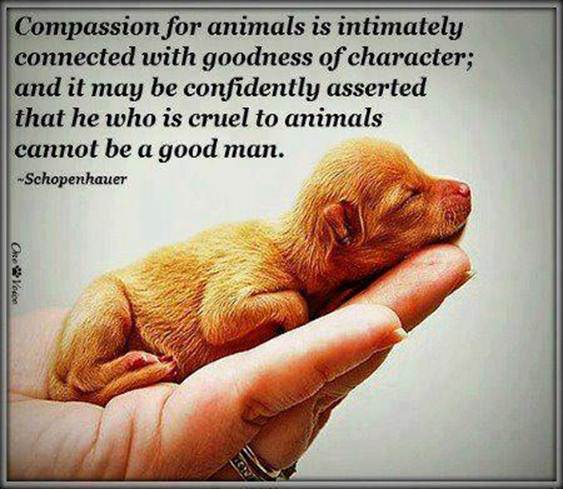
 from http://www.animalrescuesite.greatergood.com
Despite some of the strictest animal welfare laws in the world, thanks to its ancient spiritual philosophy of ahimsa (non-harming), India teems with animals on its streets, particularly dogs. With each litter born on the streets, canine overpopulation worsens, leading to malnutrition, untreated injuries, and the spread of disease, especially rabies.
Vishaka Society for the Prevention of Cruelty to Animals (VSPCA) works to reduce the overpopulation of street dogs. In cooperation with the local government, VSPCA vaccinates against rabies and spays or neuters loose dogs. VSPCA’s veterinarians use sterile techniques, pre- and post-operation pain control, and gas anesthesia when possible.
Unlike pet dogs which owners bring in and take home after the operation, street dogs need to be humanely caught and kept for several days while they heal from their surgery, then brought back to the same place for release. This is a very specific practice that has to be done absolutely right — dogs haphazardly released into the wrong neighborhood can be killed by other resident dogs.
VSPCA’s program is one of the most advanced in India, and sterilizes an average of 40 dogs a day when operated by four veterinarians. All these dogs are vaccinated against rabies, and their ears are notched for identification and protection.
VSPCA is a growing and struggling operation that also provides emergency animal care and shelter. No other similar services for injured street animals exist in the area.
You can help VSPCA in its vital work. This Gift That Gives More™ vaccinates and spays/neuters a street dog in the Indian state of Andhra Pradesh.
From helping animals affected by disasters, providing care for starving street dogs in India and elsewhere, making strides for animals in laboratories, factory farms, puppy mills, and so much more, Humane Society International (HSI) is working to protect animals around the world. Please visit their site and consider a small holiday donation in honor of someone you love. Thank you. http://bit.ly/1g9QZhL
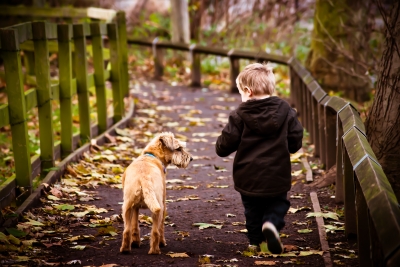
There are many ways to show that you care. Get involved, make a difference. Here are 25 ideas for ways you can help animals locally and around the world.
With so many widespread problems facing animals, it takes all of our collective efforts to confront cruelty and change things for the better.
Information from http://www.hsi.org and letter from Rebecca Aldworth, Executive Director of HSI Canada on My Life’s Work – Helping Animals
Photograph of Child with Dog courtesy of freedigitalphotos.net and photographer Ashley Cox


 Untold Animal Stories
