
More than 2.8 million Ukrainians, many of them with pets, have fled to neighboring countries with only the clothes on their backs. Greater Good Charities is working with partners on the ground to provide emergency relief. Donate now to fund hot, nutritious meals and essential supplies for Ukrainians.
Author: www.untoldanimalstories.org
Link to help Ukraine pets abandoned from Putin’s war
https://donate.hsi.org/page/36521/donate/1?ea.tracking.id=website_iarf_arrt_2022_ukraine_rst
Humane Society International is on the ground providing direct care of animals in dire need in Ukraine. Please consider giving even a small donation

How Humane Society International Is Taking Action for Ukraine, and How You Can Help
Published 03-04-22 Submitted by America’s Charities
A personal note from Carolyn Cott, co-director of UntoldAnimalStories.org: I had the honor of working as a freelance writer for three years for Humane Society International. They are a credible organization with an excellent track record of success helping animals worldwide. Please consider contributing to their work for the animals impacted by the war.
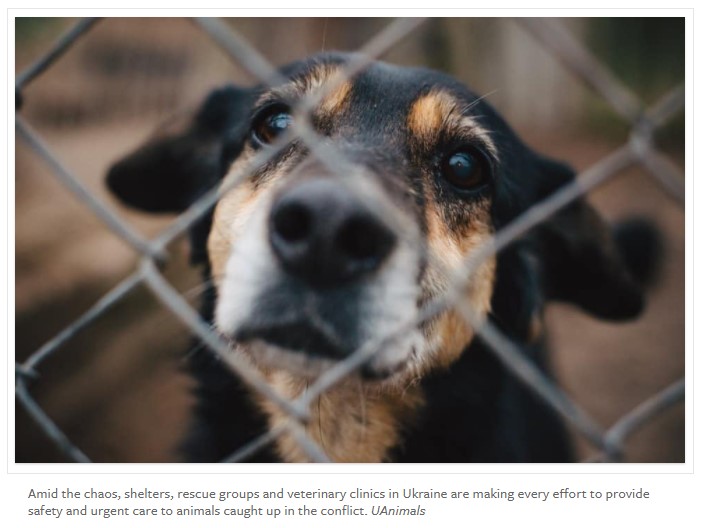
Amid the conflict in Ukraine, shelters, rescue groups and veterinary clinics in Ukraine are trying to keep their operations going, making every effort to provide safety and urgent care to animals caught up in the conflict. Relief workers and organizations are also doing all they can to clear the way for emergency entry into neighboring nations for Ukrainians with pets.
Thanks to the kindness and generosity of Humane Society International (HSI)’s partner, family-owned Mars, Inc., HSI is in a position to respond right away to the needs of Ukraine’s animals and those seeking to help them. In previous collaboration with Mars, Inc., a worldwide COVID-19 relief effort, HSI was able to help more than 280,000 animals in 36 countries on five continents, providing desperately needed food, veterinary care and other support.
With no time to waste, HSI is prioritizing support to shelters, rescue groups and veterinary clinics in Ukraine. It is vitally important to sustain these institutions in their efforts to maintain operations and services. In many cases, they are helping individuals and families who cannot flee but are trying to hold onto and care for their pets and other animals. In addition, some groups are caring for animals on the streets. The demands and needs of the moment are substantial and will continue to be significant in the future.
To assist these organizations, HSI is collaborating with a partner in Ukraine, UAnimals, to assess and prioritize the needs of shelters and clinics actively engaged in relief. HSI in Germany is working with Berliner Tiertafel to provide refugees with pet food and necessary supplies for their animals as well as veterinary care if needed.
HSI is also planning to support animal groups in neighboring countries such as Poland and Romania as they assist refugees arriving from Ukraine with their pets. The groups trying to provide relief are going to need food, carriers, medicines and critical supplies.
The same is true for zoos and wildlife rescue centers in Ukraine, and HSI will do their best to help them meet their needs, too.
Read more here about HSI’s plan for taking action and make a donation to support their work. CLICK HERE TO HELP: https://blog.humanesociety.org/2022/03/heres-how-were-taking-action-for-ukraine-and-its-animals-and-how-you-can-help.html
If your company has a workplace giving program, please consider featuring Humane Society International as a charity to support alongside other Ukraine crisis relief funds.
50 Ways To Help Animals
from Humane Society of United States
All of us can make a difference for animals in our everyday lives, whether it’s by adopting a pet, choosing products not tested on animals, eating a humane diet or engaging your community in animal protection issues. With so many widespread problems facing animals, it takes all of our collective efforts to confront these cruelties and change things for the better.
Here are 50 ideas for ways you can help animals in your community and across the country. Please share this list with any of your friends and family members who are also interested in advocating for animal protection.
Support our campaigns and programs
Connect with us

Rasulov/Shutterstock
1. Sign up for email alerts to get the latest news and quick, simple actions to help animals straight to your inbox.
2. Sign up to receive text message alerts to do the same right from your cell phone.
3. Follow us on Facebook, Twitter and Instagram.
4. Share our videos on your website, blog or social networking page.
5. Subscribe to our blog for the latest animal news.
6. Attend Animal Care Expo (location varies), Taking Action for Animals in Washington, D.C., or one of our many other events.
Be an advocate and spread the word
7. Write letters to the editor on our issues.
8. Ask your local radio and television stations to air Shelter Pet Project PSAs.
9. Post flyers and spread the word about our puppy mill and animal fighting rewards.
10. Distribute flyers at events and stores.
11. Encourage radio and television talk shows to discuss animal issues.
12. Sponsor a “Stop Puppy Mills” billboard in your community.
Burroblando/iStock.com
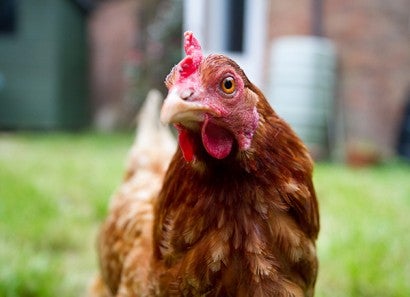
13. Ask your local restaurants and grocery stores to switch to cage-free eggs and to protect seals by boycotting Canadian seafood.
14. Join us in applauding pet stores that have taken a stand against puppy mills—support the more than 1,000 stores that have joined our Puppy-Friendly Pet Stores initiative. Encourage local stores that do sell puppies to stop.
15. Organize a World Spay Day event in your community.
16. Arrange coffee or lunch dates to introduce our fights to people who care about animals.
17. Work to get your local universities or your child’s schools to participate in Meatless Mondays or add vegetarian options to their menu.
18. Book and sponsor our subject matter experts for lectures at schools and universities—contact us if you’re interested!
19. Sponsor a local classroom and recommend our Nose-to-Tail program for elementary students or a young animal lover you may know.
Raise funds for our work
20. See how you can raise funds for animals at MyHumane.
21. Make a special one-time gift or support all animals all year round with an automatic monthly gift.
22. Make a memorial gift in honor of a friend or animal companion or give gift memberships to friends or family members.
23. Host a house party and have an executive or subject matter expert speak to your guests.
24. Ensure the HSUS is eligible for giving programs at your workplace and explore matching gifts from your employer.
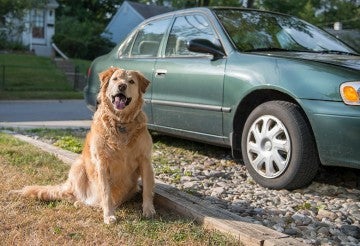
25. Donate your used vehicle to benefit the HSUS.
Meredith Lee/The HSUS
26. Include the HSUS as a beneficiary in your will.
27. Shop our Amazon storefront for branded apparel that lets you wear your support on your sleeve.
28. Purchase pet health insurance from Petplan and receive a 5% discount—and with each completed application, Petplan will make a $20 donation to our Humane Society Veterinary Medical Association’s Rural Area Veterinary Services program. Use code HSUS20.
29. Purchase or renew a subscription to All Animals magazine.
30. Order personal checks and create custom gifts from Zazzle.
31. Shop with our other corporate supporters and help animals with every purchase—coffee, flowers, wine, jewelry, and more.
32. Check out what people are selling to benefit us when you shop on eBay.
What you can do on your own
Help animals in your everyday life

mustafagull/iStock.com
33. Purchase cruelty-free cosmetics and household products.
34. Participate in Meatless Mondays and find delicious plant-based recipes for your next meal.
35. Adopt a pet from a local animal shelter or rescue group.
36. Support fur-free fashion by consulting the HSUS’s humane shopping guide.
37. Encourage your office to implement dog-friendly policies. Our book, Dogs at Work: A Practical Guide to Creating Dog-Friendly Workplaces, provides step-by-step advice.
38. Turn your outdoor space into a backyard sanctuary and find humane ways to coexist with wildlife.
39. ID your animals and encourage others to do the same—and keep your cats safe indoors.
40. Prepare a disaster plan for your animals.
41. Learn what legislation is now pending in Congress and how you can help.
Get involved in your community
42. Help feral cats in your neighborhood with our Trap-Neuter-Return resources.

Ken Canning/iStock.com
43. Encourage your local officials to find long-lasting, nonlethal solutions to conflicts with wildlife such as bats, coyotes, deer and more.
44. Provide for your animals’ future in case you can’t care for them.
45. Participate in Animal Rescue Team training and sign up to help animals in crisis.
46. Attend Humane Lobby Day for the opportunity to talk to state legislators about passing laws that protect animals.
47. Develop humane outreach programs in your community.
48. Determine which elected officials represent you at local, state, and federal levels. Attend lawmakers’ town meetings to urge them to support our fights.
49. Work for the passage of local ordinances in your community, for example, to protect chained dogs or improve the lives of dogs in puppy mills.
50. Volunteer!
A Perspective on How Animals Feel
An excerpt from Martin Marten by Brian Doyle (an excellent book by any account):
Background: Martin is a marten living in the wilds of Mt. Hood, Oregon. Some of the book is written from the perspective of the marten, some from the perspective of the main human character, and some from the omniscient narrator’s perspective. In this excerpt, the young marten (Martin) and his sister are growing adolescents and nearing the time when they leave home:
“As July lengthened, Martin and his sister and their mother spent less time together; this was usual and natural and normal, the way of their species for millions of years, but Martin and his sister felt their mother’s attention waning, one bright grain less per day, with some deep sense of. . . what? Sadness, regret, loss, nostalgia? We don’t have good words yet for what animals feel; we hardly have more than wholly inadequate labels for our own tumultuous and complex emotions and senses. It’s wrong to say that animals do not feel what we feel; indeed they may feel far more than we do and in far different emotional shades. Given that their senses are often a hundred times more perceptive than ours, could not their emotional equipment be similarly vast?”

Why Blankets and Cloth Make Bad Bedding for Outdoor Cats; Straw and Mylar Are Best
Choose the right bedding to provide the cat a warm place. Your first instinct might be to put down a fuzzy blanket in the cat shelter—but think again! Towels or blankets can actually absorb your cat’s body heat and make her colder. Also, any snow that your cat tracks into the shelter can also melt on a blanket, leaving kitty with an icy mess once the water refreezes.

Dry straw makes a good base for your cat’s shelter and will maintain heat better than blankets. Mylar is excellent (affordable and effective). Wrap it around a blanket or straw for padding. Inexpensive Mylar.
Straw is a great bedding choice for your winter cat shelter. It repels water and makes a comfortable cushion for cats. It’s important that you choose straw, not hay, which wicks away heat and retains water. For more information on the difference between straw and hay, take a look at this post from Alley Cat Allies.
Another way to keep your cat warm in her shelter is by providing self-warming cushions. Self-warming (mylar) cat bed.
To create a cat bed that is a bit warmer, place a cardboard box inside a plastic storage tub box, and stuff balled-up newspaper between the cardboard box and the plastic tub. This creates extra warmth. IMPORTANT: elevate the contraption off the ground with four bricks or pieces of wood.
GIFT IDEA – Help a Cold, Neglected Dog with a Bit of Warmth This Winter
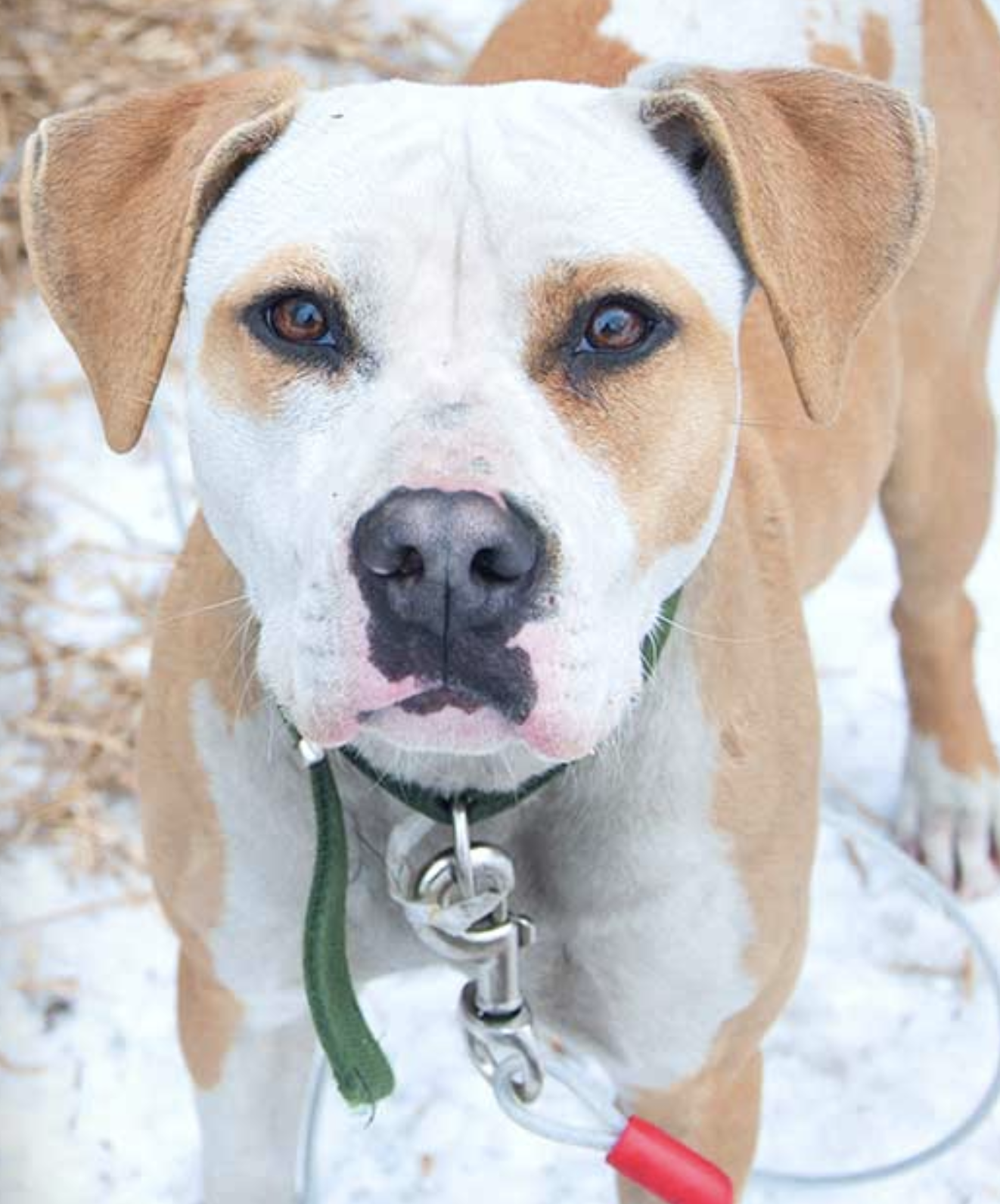
100% of your donation–of any size–will go toward providing an insulated dog house for a chained dog without shelter in a cold climate. A donation on behalf of an animal lover is a feel-good gift all around!
Click here to learn more: https://support.peta.org/page/34121/donate/1?utm_source=PETA::Vanity%20URL&utm_medium=Promo&utm_campaign=1021::acom::PETA::Vanity%20URL::PETAorg-Doghouse::wdh&supporter.appealCode=IXXXWBXXXXH
Think Dog Houses Keep Dogs Warm in Freezing Weather? You’re Wrong
by Seattle DogSpot
Dog Houses Aren’t Adequate in Freezing Weather
Last Friday I put up a post about a Yakima man and his family who were kicked out of their apartment because he reported to animal control that his landlord’s 14-year-old boxer had frozen to death.
The dog’s body had been laying outside its dog house and covered in snow for about 5 days.
The landlord kept the boxer outside on a short chain connected to its dog house 24/7. The temperature in Yakima stayed below freezing for about 10 days before the dog’s death. It was often below zero at night.
Since then I’ve seen a few discussions about whether or not dog’s should live outside, especially in the winter. Several people said that hay and blankets in the boxer’s dog house should keep it warm.
Not Biologically Adapted
Veterinarian Ernie Ford recently posted a video examining how cold it gets in a dog house by staying in one for 4 hours.
At the beginning of the video the temperature outside the dog house is is 14 degrees. The temperature in the dog house is 25 degrees.
After an hour the temperature in the dog house drops to 21 degrees. After 4 hours the temperature in the dog house is 17 degrees and 8 degrees outside.
Dr. Becker notes that it’s a calm night, but on windy nights the wind chill would lower the temperature even more. Note also that he’s in a well-built dog house with no cracks or openings that could let cold air inside.
After spending 4 hours in the dog house, Dr. Ford said, “No dog is biologically adapted to handle this type of cold.”
He also said dogs left outside in extremely cold weather suffer immensely, especially dogs with health problems and older dogs.
This video dispels the notion that dog houses adequately protect against the cold.. It may be a few degrees warmer than the temperature outside, but in subfreezing weather, the temperature in the dog house will still be unbearable for any length of time.
What do you think?
This Domestic Violence Awareness Month, survivors of domestic violence need your help
Nearly 50% of pet owning women will delay leaving an abusive home due to fear for the lives of their pets. Victims shouldn’t have to make the terrible choice between leaving to save themselves and their children, and leaving their pets behind with an abusive partner. The solution? Create safe spaces where domestic violence victims, their children, and their pets can all find safety together.

Double your impact. Right now, your gift to save pets in need from abuse will be matched, dollar-for-dollar, up to $20,000.
That’s where Greater Good Charities’ Rescue Rebuild program comes in. We’re re-imagining shelters for women who are victims of abuse. This October, for Domestic Violence Awareness Month, the team is headed to a domestic violence shelter in Oklahoma to renovate and transform it to properly accommodate women and their pets. We’ll work to convert a pole barn into an animal space, which will include six indoor kennels, pet visitation rooms, a free-roaming cat room, a play yard and more!
Together we can change the lives of women across the country by allowing them to bring their furry companions with them during this traumatic time.
Your donation today helps make this project possible. Right now, your gift will be matched, dollar for dollar, up to $20,000 by a generous Rescue Rebuild supporter!
From https://theanimalrescuesite.greatergood.com/clicktogive/ars/home
The Freckles on My Sister’s Snout

I wandered alone for a long time, but it wasn’t always so. I have vague memories—little scraps of images—from the past: the tumble and tussle of warm fur, the shimmer of sun on my brother’s back, the freckles on my sister’s snout. We were given away, placed in a box in a grocery store parking lot and given to anyone who would take us. We were held up, cooed over, and carried off under people’s arms.
The person who took me changed his mind when I grew larger. He tied me up in the backyard for months—with intermittent water and food—and then took me on a car ride and left me on the side of the road. I fended for myself then. Sometimes I was thirsty, sometimes I was cold, often I was hungry.
This morning, a man saw me, stooped down, and called to me. I watched him warily and then darted away. I have trouble trusting people. He left and then came back, carrying a bowl that smelled good. He sat quietly beside the bowl and I approached carefully, then backed away, then approached again. With one last sideways glance at the man, who looked at me calmly, kindly, I stretched my neck toward the bowl and began to eat. The man reached out and stroked my fur, first tentatively, then steadily. When he slipped a lead around my neck, he bent down to my level and said, “Come with me; we will find you a home,” I go with him, to the first warmth and comfort I’ve known in a long time.
 Untold Animal Stories
