
The moral distance between animals and our plates
https://thekindlife.substack.com/p/should-i-eat-meat
Humans occupy a position of extraordinary power over other animals. We decide whether they are bred, confined, transported, killed, and eaten. Most people I know eat meat, at least occasionally. Perhaps they don’t let themselves think about what the animal might have endured on the journey to their plate. Perhaps they’ve considered it and don’t care. Perhaps they live somewhere between indifference and discomfort, and do it anyway.
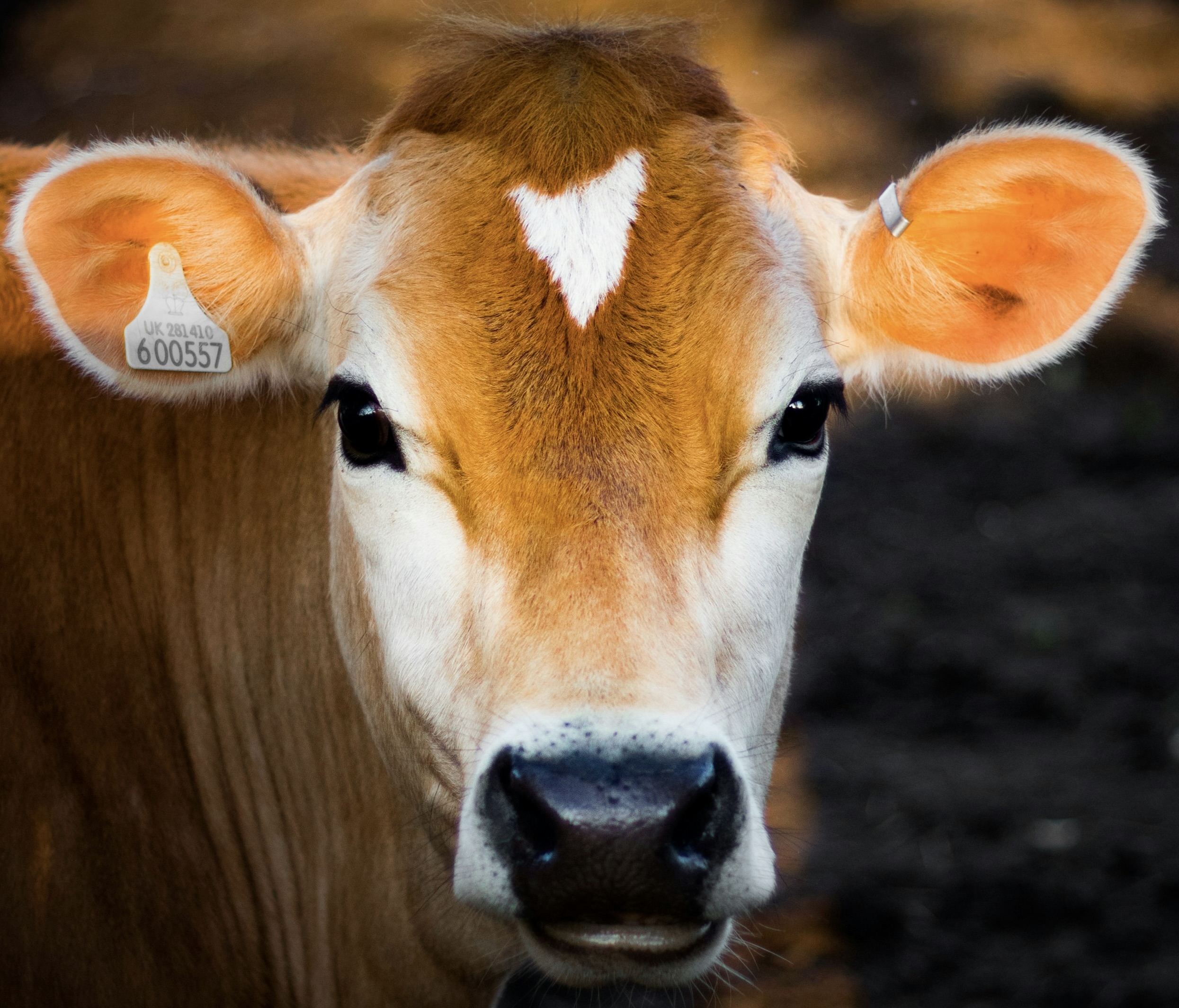
My mom was a dedicated animal lover, yet she ate meat daily. When I asked her how eating animals fit with her love for animals, she breezily replied, “Oh, I just don’t think about it.”
We humans seem especially adept at pursuing self-interest while shutting out inconvenient realities that expose the conflict between what we do and the values we claim to hold.
It’s a lot easier not to trouble ourselves with thoughts about how our actions directly contribute to the suffering of other sentient beings. But I think we should.
“But the Animal is Already Dead”
One argument I’ve heard is, “Well, the animal is already dead. I’m not killing it.” But the animal’s death is not disconnected from the decision to buy meat. Supply and demand link consumer choices to what producers continue to supply. If fewer people chose to eat meat, fewer animals would be slaughtered.
So, yes, by eating meat, you are contributing to a system that breeds, confines, and kills animals for food, causing them fear, deprivation, and suffering in the process.
Over the course of a human lifetime, meat eaters eat an average of 2,000–2,600 chickens, 25–35 pigs, and 10–15 cows. The exact number will differ according to a person’s diet, but the moral point remains: these are not abstractions. These are thousands of individual animals, and suffering occurs one individual animal at a time.
Convenience, Need, and Want
There is an important difference between convenience, need, and want. For most people with regular access to ordinary grocery stores, eating animals is not a necessity. Beans, lentils, grains, potatoes, nuts, tofu, eggs, etc. are generally inexpensive, accessible foods that make satisfying and healthy meals.
Of course, people’s circumstances differ. But finding a change difficult is not the same as having no alternative. For many people, meat is not a need. It is a preference—often a deeply familiar and socially reinforced one, but a preference nonetheless.
When we can reduce suffering without sacrificing adequate nourishment, our preference for convenience and taste deserves moral scrutiny.
Looking Them in the Eye
Much of what allows people to eat animals without confronting the moral weight of it is distance. The animal is no longer seen as a living individual. Their body has been has been cut apart, packaged, refrigerated, and transformed into a product. Someone else bred them, confined them, transported them, and killed them.
Could you look that cow in the eye and kill and eat her? Could you look a chicken or pig in the eye and do the same?
If we are unwilling to look an animal in the eye and take their life ourselves, perhaps we should not be so comfortable outsourcing that violence to someone else.
Compassion in Action
Compassion becomes real when it changes what we do
Choose one meal—or one week—in which you do not eat animals. Do it as an honest experiment: a chance to notice what is habit, what is convenience, what you genuinely need, and what alternatives are available to you.
- Replace at least one familiar meat-centered meal with a plant-based version this week.
- Choose beans, lentils, tofu, chickpeas, or another protein you already enjoy.
- Before buying meat, pause and ask: Is this something I need—or something I have simply been taught to expect?
- If you eat eggs or dairy, consider making the experiment about meat first, rather than demanding an immediate all-or-nothing change.
- If the change feels manageable, repeat it next week and build from there.Free to subscribeShareLeave a comment
Photo courtesy of Luke Stakepoole on unsplash.com

