Looking at online listings for adoptable pets can be fun, but when you’re ready to decide on a dog or cat to bring home, it’s time to choose an animal shelter to visit. You may be surprised by which animal in your local shelter captures your heart and feels like the perfect fit for your home and life. Taking the time to interact with a potential pet in person can help you find the right pet for you, as well as give you the opportunity to ask questions of shelter volunteers.
When you feel prepared for your visit to an animal shelter, you can ease any anxiety you may have about shelter pet adoption and make sure that you’re ready for the commitment of pet parenthood.
Before visiting the animal shelter
While you can walk into an animal shelter any day they’re open, it helps if you can prepare yourself for the task of choosing a pet to adopt. Spend some time browsing online listings for your local shelter but don’t set your heart on a specific pet before you meet them. You may fall in love with a completely different animal at the shelter, so keep an open mind — and heart.
Consider what type of pet is the best fit
Before you visit a shelter, think about what you want in a pet.
Does your schedule allow for the needs of a dog, or is a cat a better fit?
Do you have the time to train a young dog or is an older dog more suited as a pet who already knows the basics?
Shelter volunteers can help you find the right pet for you. They know a lot about the animal’s personalities and temperaments and can answer your questions to pair you with the right animal for your family and household.
Do some research
Read up on the animal shelter online and learn what to expect from their adoption process. Every shelter and rescue has their own steps to adopting a pet, so make sure you understand required fees and the information you’ll need to fill out an adoption application. Some shelters may require a home visit to make sure your environment is suitable for your chosen pet, while others may only require you to fill out a form and provide references.
Gather your supplies
While you likely won’t bring home a new pet after your dog shelter visit, it’s still a good idea to have your home prepped for their arrival. Make sure to pet-proof your house or apartment, putting away any cherished personal belongings to avoid damage. Go on a shopping trip to purchase all the supplies you’ll need for your new family member, such as food and water bowls, a collar and leash, toys, and treats.
Choose a time to visit
Many animal shelters are fine with walk-ins during their posted hours, but if you want to make sure a volunteer is available to speak with you, it doesn’t hurt to call and schedule an appointment. Find a time that works for you and anyone else you plan to bring along, whether that includes other members of your family or a friend for moral support. If you’re not able to visit the shelter in person, ask if there are virtual animal shelter visits available.
Bring your entire family
A visit to the animal shelter should be a family affair. Bring along everyone who will share in the responsibility of caring for the new pet, so you can make sure the animal is the right fit for everyone involved.
Taking children along when you visit an animal shelter can be a challenge, so it’s important to establish rules for their behavior before you go. Bringing your kids along can help them feel involved in the decision and get them excited about caring for a new pet.
During your visit to the animal shelter
Keep in mind that shelter staff and volunteers are often busy, and you may have to wait before you can spend time with a potential pet. Prepare for the animal shelter visit experience to be a noisy one, with excited shelter dogs barking about new people in their space.
1. Be patient and understanding
Animals may act differently in a shelter environment than they would in a home. Be patient and understand that a rescue dog or cat could be overwhelmed by new people, especially if you bring children with you. Give the animal space to approach you on their own terms, and remind children to pet them gently.
2. Ask questions
Don’t hesitate to ask shelter staff questions about your potential new pet, such as how the animal shelter cares for their animals and what training the pet may have had. This is your opportunity to learn about an animal’s health history, any behavioral issues, and how well they do with other animals. You can also ask about the next steps in the adoption process.
3. Take your time
As exciting as it is to visit a shelter and look for a new pet, don’t be disappointed if you don’t find the right dog or cat immediately. Your goal should be to connect with an animal who fits with your lifestyle. Be sure to take your time and be open to any animal in the shelter being the right one for you.
Tips for visiting an animal shelter
When you’re looking for a dog or cat to adopt, seeing all the animals in a shelter can be overwhelming. Keep these tips in mind as you visit your local shelter.
Spend time with the animals to get a clearer idea of what pet is best for you.
Keep an open mind and give every animal the chance to steal your heart.
Consider pets who are less likely to be adopted, such as senior animals.
Stay safe and pay close attention to any posted signs or notices.
Commonly asked questions
How can I ensure a successful shelter visit when looking to adopt a pet?
The best way to ensure a successful shelter visit is to be patient with both staff and animals, and take your time when choosing a new pet to adopt. Don’t hesitate to ask questions of shelter staff, whether about the animals or the adoption process — or both.
Can I donate to the shelter during my visit?
Yes, you can donate to the shelter during your visit. Shelters are always in need of supplies and financial support to help care for their animals. The staff will likely be more than happy to accept a donation during your visit.
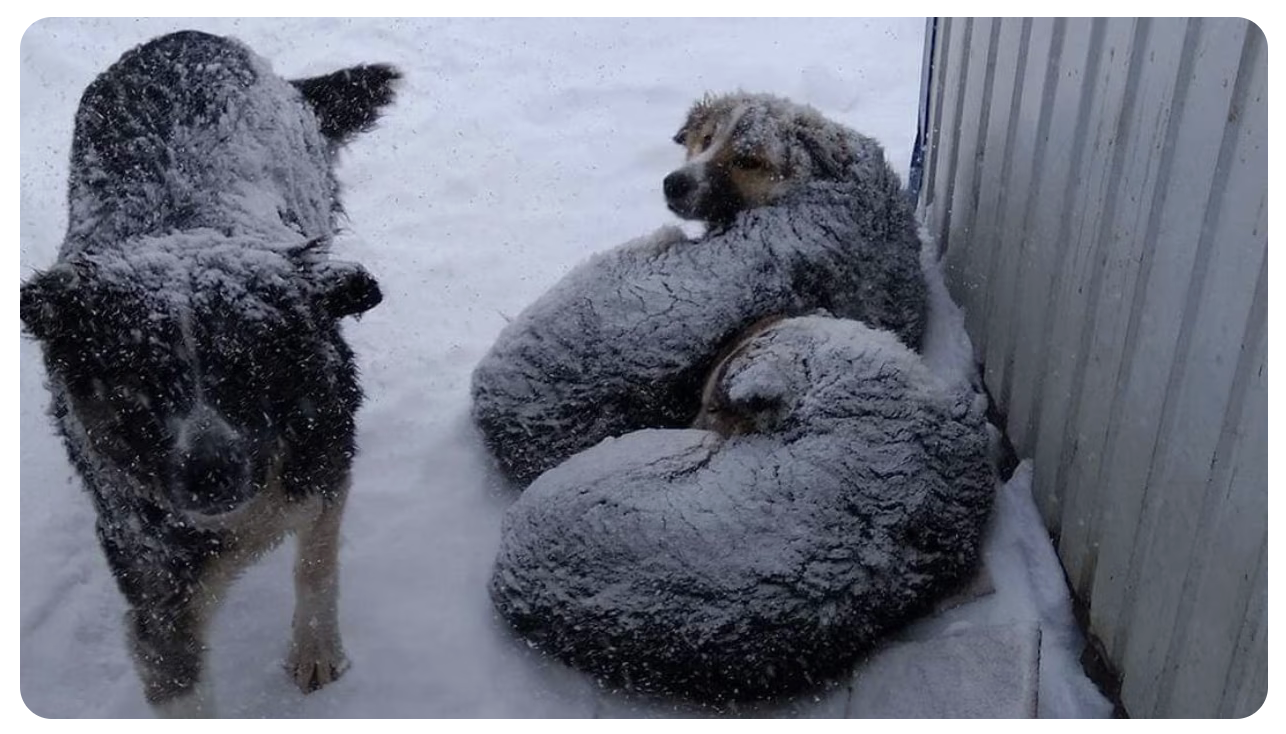
Right now, “backyard” dogs are being forced to endure biting winds, snow, and freezing rain with little—if anything—to protect them from the bitter cold. Without help, some won’t survive the harsh winter.
You can make a tremendous difference in the life of a lonely dog by rushing an emergency care package today. Choose as many gifts as you’d like for your care package below and help a dog before it’s too late.
Double Your Impact Today to Keep Cold Dogs Safe This WinterUntil midnight on December 31, every dollar you donate will be DOUBLED—up to $50,000—by a generous donor. That means your gift can go two times as far to protect vulnerable dogs enduring freezing temperatures around the world. But this matching opportunity won’t last, and neither will the time to help.Countless cats and dogs are facing brutal winter conditions—they’re cold, hungry, and alone. But your donation can change that. Together, we can provide them with the warmth, safety, and love they desperately need to survive this season.But we must act quickly. We can’t let this gift matching opportunity slip away. Right now, your kindness goes two times as far, reaching even more animals in need. Please help us meet our goal—without you, we can’t continue to save lives.Don’t miss the last matching gift challenge of the year. Donate now and make two times the impact!
I went to New Orleans to visit my daughter and her partner. We stood at the shore of the mighty Mississippi. We visited the French Quarter in the morning, wandering past colorful buildings with filigree iron balconies and open bars with early drinkers and jazz. We stopped into a couple shops, eying the array of voodoo paraphernalia. We drank chicory coffee and ate beignets under live oak trees draped with Spanish moss.
There is a significant homeless population in New Orleans, and many stray cats. On one corner in the French Quarter a homeless man slept soundly, perhaps drunkenly, on top of his belongings. Standing beside him meowing loudly and repeatedly was an adolescent, skinny, rough-furred black cat, likely begging for a scrap of food from a man who had fed her before. I wanted to pick up the hungry cat and take her with me, but where would I take her? I quickly looked on my phone at listings for New Orleans animal rescue but found only adoption sites and nothing about picking up or where to take a found cat.
I ended up walking away, feeling helpless. There was, at least, a nearby puddle the cat could drink from, since shop owners seem to hose down the sidewalks routinely. This pleading little cat stayed with me, tinging the rest of my day with worrying thoughts.
What I have learned since then about what to do when you see a homeless cat. This is an excellent how-to article by Adam Lee-Smith.
You’ll be hard-pressed to find a US city that isn’t home to a stray cat population. According to some estimates, between 60 and 100 million stray cats live in the US. With roughly 85 million pet cats in the US, there are nearly as many stray cats as pet cats.
So if you find a helpless feline on the street and you want to help, what’s the process? Read on to learn how to tell the difference between a feral and a stray, how to approach a stray cat, and how to care for a stray once you’ve successfully rescued them.
Try to determine whether the cat is stray or feral
There’s a big difference between feral and stray cats. Feral cats are essentially wild cats that have lived outside their entire lives and avoid human contact. Meanwhile, stray cats are pets that have been abandoned or lost.
Stray cats are much easier to secure and interact with than feral cats. Often, you can lure an abandoned or lost cat into a carrier by setting food as a trap.
Both types of cats should be rescued to help reduce cat populations. While it’s rare for feral cats to become family pets, it’s still important to take them to your local humane society or animal shelter if you can.
Most free-roaming cats have not been vaccinated against deadly diseases. Petting or touching a free-roaming cat puts you and your pets at risk of diseases like rabies and bacterial infections like cat scratch fever.
It’s a good idea to avoid picking up a free-roaming cat altogether, even to rescue them. If you’re unable to secure them using a trap, call in the professionals.
Use food and water to lure them
The best way to get a stray cat to trust you is with food and water. Set down some strong-smelling cat food or treats to help draw them out of hiding.
While you may be tempted to feed them something more enticing, like a piece of ham, it’s best to stick to cat food to prevent stomach upset. Avoid putting out any milk — contrary to popular belief, cats are actually lactose intolerant, and consuming dairy products could make them sick.
Try not to crowd the cat or stare at them while they eat. Cats, especially strays, are clever creatures that value their privacy. Be patient, as it may take some time to build trust.
Be mindful of your body language
When approaching a stray cat, you’ll want to use a low stance, as the cat will find it less threatening. A side-on stance is also a good posture to take, as it makes you look smaller and less threatening.
Speak to the cat in a soft, reassuring voice, which will help keep them calm as you approach. Cats also see direct eye contact as a way of establishing dominance, so you should avoid looking a stray in the eye.
Watch for signs of aggression
Chances are you’ll be unsure whether a cat is feral or stray at first glance. As cats can quickly become defensive when frightened, you should wear long sleeves and gloves to avoid serious bites or scratches during a rescue.
When approaching a stray cat, watch out for obvious signs of aggression. Signs of aggression and fear include:
If you notice any of these signs of aggression, give the cat space, and back off until they calm down.
Practice road safety during a rescue
You may see a stray cat at an inconvenient moment, like while you’re driving down the highway. During a stray cat rescue, always practice road safety. You could endanger yourself and others by suddenly pulling over to help a cat stranded near the road.
Pull over at an appropriate place, and use your hazard lights to avoid an accident. If you can’t pull over safely, consider coming back another time or calling the local animal control facility.
How long does it take for a stray cat to trust you?
The amount of time it takes to gain a stray cat’s trust depends on the cat. If they’re used to people and aren’t fearful, a stray cat may immediately approach you. Stray cats that are injured or wary of people may take a month (or even longer) to trust you.
While you may be tempted to feed a stray cat for several weeks to gain their trust, use caution. Leaving out food for a stray may attract other feral or stray cats. These cats might carry diseases, which they could pass on to other pets in your neighborhood. If you’re going to feed a stray cat, it’s best to do it when the cat is around to eat the food immediately.
A good way of building trust with a stray cat is to build a cat-friendly shelter near your home. This will give the cat somewhere warm and comfortable to rest, and it’ll also help them get used to your presence. Try not to build the shelter too close to your house, as it might intimidate the cat.
How to secure a stray cat
Coming prepared to rescue a stray cat is key to success. Here are a few things you can do to ensure your rescue goes smoothly.
Packing a stray cat rescue kit
If you find yourself rescuing stray cats regularly, keep a rescue kit in your car. A rescue kit for a stray cat may include:
A sturdy cat carrier
Bottled water
Canned cat food
Blankets
A first aid kit
Information on local shelters and 24/7 veterinarians
Carrying a rescue kit with you will mean you’re prepared to pick up a stray cat at any time, and you won’t have to leave the stray alone to gather supplies.
Setting a trap
If you find a stray cat that won’t get into a carrier, you can use a cat trap to secure them. A cat trap involves leaving out food in a trap and lying in wait. There are several types of cat traps, including drop traps and traps with trigger plates. However, traps can be expensive and difficult to use, so you may be better off contacting local authorities to help with the capture.
As cats are unpredictable, you shouldn’t try to pick up or grab a cat by hand. Doing so could result in injuries to you and the feline. If you can’t lure a cat into a carrier or a trap, you should contact animal control or your local humane society. If you live in a rural area, you may need to contact the police for assistance.
What to do with a stray cat
Once you’ve secured a stray cat, you might be unsure of the best course of action. Here are a few next steps you can take to keep the cat happy and healthy.
Take the cat to the vet
The first thing to do is to take the cat to a local vet. The vet will be able to check the cat for a microchip and tell you for sure whether the cat is stray or feral.
Ask the vet about local stray cat rescue facilities as well. While many of these facilities won’t be able to take in or rehome stray cats, some will cover certain vet costs, like spay/neuter and vaccinations.
Keeping a stray cat as a pet
If you find an adorable stray that you’d love to give a “furever” home, there are a few things to consider. Just because you possess a stray doesn’t automatically make you their lawful pet parent. There are different laws on pet ownership from state to state and city to city, so check with your local government.
Usually, there’s a holding period for strays before they lawfully belong to you. This holding period varies depending on where you live. During this time, you’ll have to take appropriate steps to show that you’re trying to find the cat’s original owner. You’ll also need to take steps to show that you are the new owner.
You can prove you’re trying to find the cat’s original owner by having them checked for a microchip, posting online, and putting up flyers around your neighborhood.
If you’re unsuccessful in finding the original owner, you can take steps to show you’re the new owner, like covering costs for microchipping, vaccinations, ID tags, flea treatments, etc.
By Marc-André A seven-year-old London cat who lives at a safe house for women who have been enslaved, exploited and trafficked has been named National Cat of the Year by Cats Protection.Black-and-white Marley beat thousands of other entries to be named overall winner in the nation’s biggest celebration of cats, held at London’s One Marylebone on 18 September and hosted by novelist and self-confessed cat lady Dawn O’Porter.Marley was honoured in recognition of how he helps the guests on their journey to freedom at Caritas Bakhita House in London through his innate instinct for knowing when they need his comforting presence by their side.“I’m so proud Marley has won National Cat of the Year – he’s a wonderful example of the power of love,” said Karen Anstiss, 59, Head of Bakhita House, currently home to 11 women from 11 different countries. “Often Marley placing a paw on our guests’ legs is the first kindness they’ve experienced in years. He has this incredible gift of empathy and has assisted many, many women along the road to recovery.
“We adopted Marley four years ago – he’d been in a rescue shelter and then taken in by a family whose cat bullied him. Before he went into rescue, I think he had a hard time. So, he recognises our guests’ trauma because he has suffered too.
“Initially he sits really close, to see how the women respond. Then he gently puts a paw on their leg letting them know they’re not alone. We had one guest who was so traumatised she didn’t speak to us – only to Marley – and because she trusted him, over time we were able to reach her.
“Marley is also staff supervisor, security guard – patrolling the grounds – and chief gardener. Nobody is allowed to touch his patch of daisies. In art therapy he’s a popular muse and one guest even composed a song for him. At 7pm staff and guests sit down for dinner together, like a family, and Marley joins us. Thank you to Cats Protection for showing how incredible cats are. Marley really is the fluffy heart of our home.”
To reach the final four cats in the National Cat Awards, Marley first won the Incredible Cats category – which celebrates catswhose bond with their humans inspires extraordinary acts of love in a public vote.He was then selected as overall National Cat of the Year by a panel of celebrity judges.
As overall winner, Marley won a trophy and prize package, which included a £200 pet store voucher. He follows in the paw prints of last year’s winner Zebby who won National Cat of the Year 2023 in recognition of how he supports his deaf owner Genevieve Moss by alerting her to sounds around the home.
First and foremost, make sure the cat is feral rather than one that has been lost or been dumped by some uncaring former owner. Only 3% of lost cats ever find their way home again, and what you may have found is a lost cat who will not do well left on its own. Squat down, call gently to the cat, and see if it comes to you. Put down some water and food. Give it some time to trust you. If you can pet it and/or pick it up, deliver it to your local SPCA, or call the vet to see it a microchip can be read. If its owner is findable or if it is adoptable, the humane society or SPCA will help.
If the cat is feral (the following is from Humane Society of the United States):
Through trap-neuter-return and basic caretaking, you can improve the lives of community cats and prevent the births of kittens. Wherever you live or work, chances are that there are community cats living nearby.
You may see them hanging outside a neighbor’s home, lurking around the dumpsters behind a local restaurant or grocery store, or loitering around a commercial lot.
An estimated 10-12% of the American public feed community cats, but many lack the information or help they need to take the crucial next step: sterilizing and vaccinating the cats. As a result, community cats produce about 80% of the kittens born in the U.S. each year.
Through trap-neuter-return, you can significantly improve individual cats’ lives, reduce cat overpopulation in your region, and perform a valuable community service that benefits people, cats and wildlife.
Get started
Identify local resources. There may be an organization or agency in your area that can help you TNR the cats, find homes for any young kittens, provide pet food or offer other forms of assistance. Check out our tips for what to do if you find a cat and how to identify animal welfare organizations, spay/neuter programs and other resources in your region.
Identify the caretakers. Find out who cares for the cats. Keep in mind that many kindhearted people feed community cats but don’t know about available resources to stop them from breeding; they may feel overwhelmed with the endless litters of kittens and be grateful for your help. With diplomacy and a spirit of helpfulness, you can identify the barriers that are preventing them from getting the cats fixed and help fill those gaps.
Create a plan of action. Depending on the caretakers’ capabilities, your help may take different forms, from connecting them with a local TNR program, scheduling surgeries, borrowing traps, trapping the cats, transporting them to a clinic or raising funds to cover costs. Ask friends and other animal lovers in your community to join the effort.
How to do TNR
Sign up for an online TNR Training workshop hosted by the Community Cats Podcast and Neighborhood Cats.
Outdoor cats can sometimes be the cause of complaints. Check out these tips for keeping cats away from areas where they’re not welcome and resolving other nuisance issues:
You don’t have to wait for community cats to show up in your backyard to start helping them. Many hands make TNR work lighter—here’s how to contribute.
Trapping. TNR programs are always in need of people with the patience and dedication to do the essential: catch the cats.
Transport. You can make a valuable contribution as a transport volunteer, delivering cats to the clinic and returning them to a holding place after surgery.
Safe keeping. Cats need to be held the night before and typically one night after surgery. Do you have a garage or spare room that can be kept warm in the winter and comfortable in the summer? You can make a difference simply by holding cats overnight and feeding and monitoring them.
Outreach. By knocking on doors, handing out flyers and engaging people in conversations about cats, you can raise awareness, identify cats who need services and learn about neighbors who are already feeding community cats.
Behind the scenes. TNR programs need volunteers to keep the effort afloat, whether that’s through fundraising, grant writing, record-keeping, website maintenance or answering calls and emails.
Other ways you can help
You can also make a big difference by doing the following:
Spay or neuter your own cats before they’re 5 months old.
The male Sumatran orangutan treated a facial wound by chewing leaves from a climbing plant and repeatedly applying the juice to it.Armas CNN —
Scientists working in Indonesia have observed an orangutan intentionally treating a wound on their face with a medicinal plant, the first time this behavior has been documented.
Rakus, a male Sumatran orangutan, treated a wound on his face by chewing leaves from a climbing plant named Akar Kuning and repeatedly applying the juice to it, according to a paper published in the journal Scientific Reports on Thursday.
Rakus then covered the wound with the chewed up leaves, which are used in traditional medicine to treat illnesses like dysentery, diabetes and malaria, said scientists.
ADVERTISING
Study lead author Isabelle Laumer, a post-doctoral researcher at the Max Planck Institute of Animal Behavior, told CNN that the team were “very excited” by their observations, which took place in June 2022 in the Suaq Balimbing research area in Gunung Leuser National Park, Indonesia.
Although other wild primate species are known to swallow, chew or rub themselves with plants that have medicinal properties, scientists have never seen them used to treat recent wounds.
Rakus treated his wound in a process that took several minutes, researchers said.Armas
The team believe that Rakus intentionally used the plant to treat his wound as he applied it repeatedly in a process that researchers say took several minutes.
“This possibly innovative behavior presents the first report of active wound management with a biological active plant in a great ape species,” she said.
Researchers believe that Rakus most likely sustained the wound in a fight with another male orangutan, which are rare in the area thanks to “high food availability, high social tolerance between orangutans and relatively stable social hierarchies,” Laumer explained.
This means that orangutans rarely suffer wounds, giving researchers few opportunities to observe this behavior.
As for how Rakus would have learned how to treat a wound, one possibility is “accidental individual innovation,” said Laumer.
The orangutan may have touched his wound accidentally while feeding on the plant and felt immediate pain relief due to its analgesic – pain relieving – effects, making him repeat the behavior, she explained.
Another possible explanation is that Rakus learned how to treat a wound from other orangutans in the area where he was born, said Laumer.
The observation “provides new insights into the existence of self-medication in our closest relatives and in the evolutionary origins of wound medication more broadly,” added Laumer, raising the possibility that wound treatment may originate in a common ancestor shared by humans and orangutans.
Researchers plan to closely observe any other wounded orangutans in the area to see if the behavior is repeated, said Laumer, who added that the findings underline the commonalities between humans and orangutans.
“We are more similar than different,” she said. “We hope this study raises awareness on their critically endangered status in the wild.”




 By
By 




 Untold Animal Stories