Elephant Mourning

Elephants have vigils and rituals for their dead. A glimpse into animal emotions.
Field guides, trackers, and researchers have seen it again and again: Elephants do something extraordinary when they pass the body or remains of another elephant—they stop, become still, and then gently and slowly caress the elephant with the tips of their trunks. They emit low rumbling sounds and distress calls. They drag over branches or tear up grasses and cover the carcass gently. They do this ritual even if the elephant was not part of their herd. Elephants show no interest in the carcasses of other species.

When they come upon a dying elephant, their behavior is more active, protective, and interventional. They try to lift and prop up the elephant, clustering around it and bracing it front and back to keep it upright. They trumpet and roar and guard the dying elephant—some facing outward and some tending the elephant.

Mother elephants are at the heart of some of the most haunting accounts of elephant grief. Researchers and rangers describe elephant cows staying with a stillborn or dead calf for days, trying desperately to lift and nudge the body. An Asian elephant near Tumkur, India, was recorded jostling her lifeless calf for more than 24 hours, her ears fluttering in distress. A group of 12 adults gathered around her, apparently trying to console her. In multiple documented cases, mothers have lifted dead calves with their trunks and carried them for days.

Scholars of animal sentience, such as Marc Bekoff, Frans de Waal, and Jonathan Bird, argue that the question is no longer whether animals feel, but why sentience evolved—and why we keep doubting it. Their point is disarmingly simple: if an animal screams when injured, plays when safe, and shows every outward sign of distress when its young dies, insisting we “need more data” before acknowledging its experience becomes less about scientific caution and more about moral convenience. Elephants—with their vigils, their bone caresses, and their attempts to care for a dying tribe member—push that discomfort to the surface.

When an elephant stands over the bones of a long-dead companion, falling into stillness and tracing the skull with her trunk, she invites us to widen our circle of empathy—and to admit that grief may not be ours alone. We can choose to label that behavior as mere instinct, or we can acknowledge that we are watching another intelligent, deeply social species grapple with loss in its own way.

Loved this glimpse into nature’s wonders? Subscribe for weekly insights on animals, empathy, and living thoughtfully. https://bit.ly/4cIP06h
Share

Crows May Seem Ominous—But They’re Backyard Geniuses Smarter Than Your Dog

They hold 17-year grudges, craft tools like kids, and gift treasures to kind feeders

To read on Substack: https://thekindlife.substack.com/p/crows-may-seem-ominousbut-theyre

Crows carry an eerie reputation (medieval folklore linked them with death, ill-omens, and the supernatural), but their genius rivals apes and young children in problem-solving, memory, and social savvy. Consider New Caledonian crows, close relatives of the American crow, which have been observed in University of Auckland labs bending wire into hooks or carving twigs to fish food from tight tubes, demonstrating tool-making skills once thought unique to humans. Crows in labs ace the 6th-century Aesop’s fable “The Crow and the Pitcher”: after viewing water-filled cylinders from various angles, they drop optimally sized stones to raise the water level and snag a floating treat—matching toddlers’ reasoning skills. Magpies, a fellow corvid (corvids include crows, ravens, rooks, magpies, and jays), pass the mirror self-recognition test—a rare feat outside of great apes and a few cetaceans like dolphins.

Crows lock onto human faces with remarkable precision, holding grudges against threats for up to 17 years (longer than an individual lifetime), sharing that intel across family networks, and even teaching hatchlings born long after the fact. In a University of Washington study by corvid researcher John Marzluff, 7 crows were temporarily trapped by a masked person in 2006; in 2013, 47 of the campus’s 53 crows (family networks) mobbed the mask-wearer. The scolding continued, gradually declining over the years, and ending in 2023—showing multi-generational grudge-sharing. Their brains, though walnut-sized, pack twice the neuron density of great apes and enable skills like cooperating in family crews to defend turf and outsmart rivals. Crows outpace dogs in mechanical puzzles, retrieving tools via insight where canines guess-and-check. On lab puzzles demanding multi-step logic, crows match the causal reasoning of 5- to 7-year-olds, dismantling traps and inventing tools on the fly.

Then there’s the “gifting”—one of crowkind’s most enchanting quirks, backed by verified anecdotes collected by experts like Marzluff. If you feed them consistently, they might repay you with treasures: a shiny button, a lost earring, a pierced soda-tab necklace, or a candy heart neatly placed on your feeder. In Seattle, eight-year-old Gabi Mann fed neighborhood crows for years; they responded by curating a collection of beads, metal scraps, a broken pearl earring, and half a “Best Friends” heart pendant. Marzluff himself documented a man finding a candy conversation heart perched on his bird feeder after regular feedings, as well as crows threading soda tabs onto pine sprigs and leaving them precisely where food appeared daily.

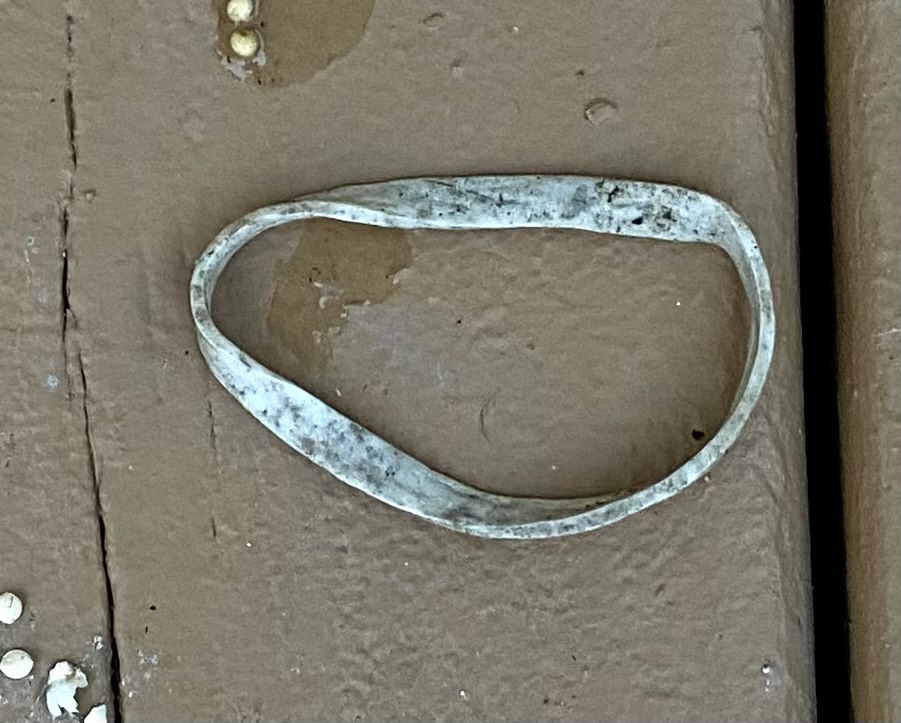
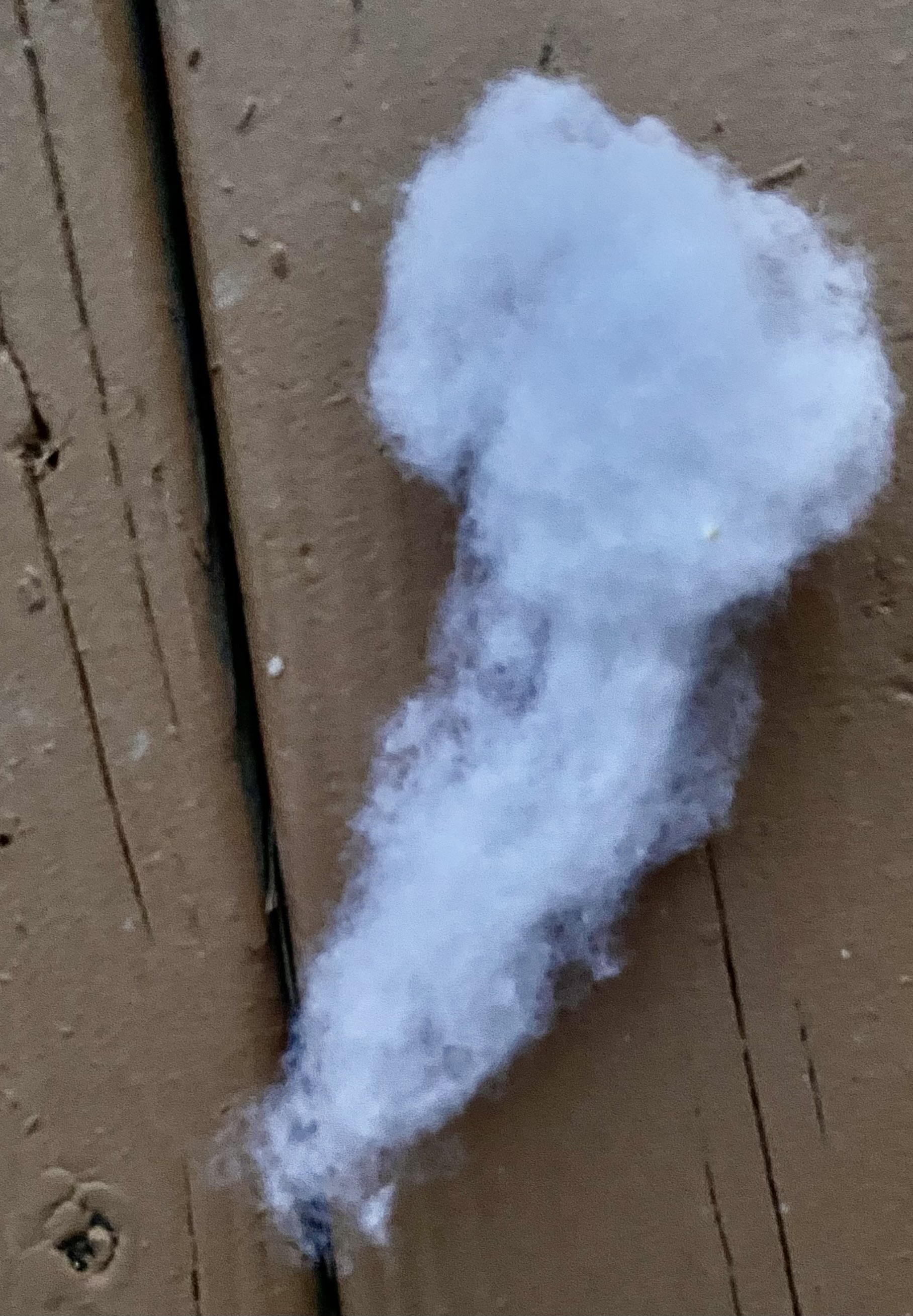
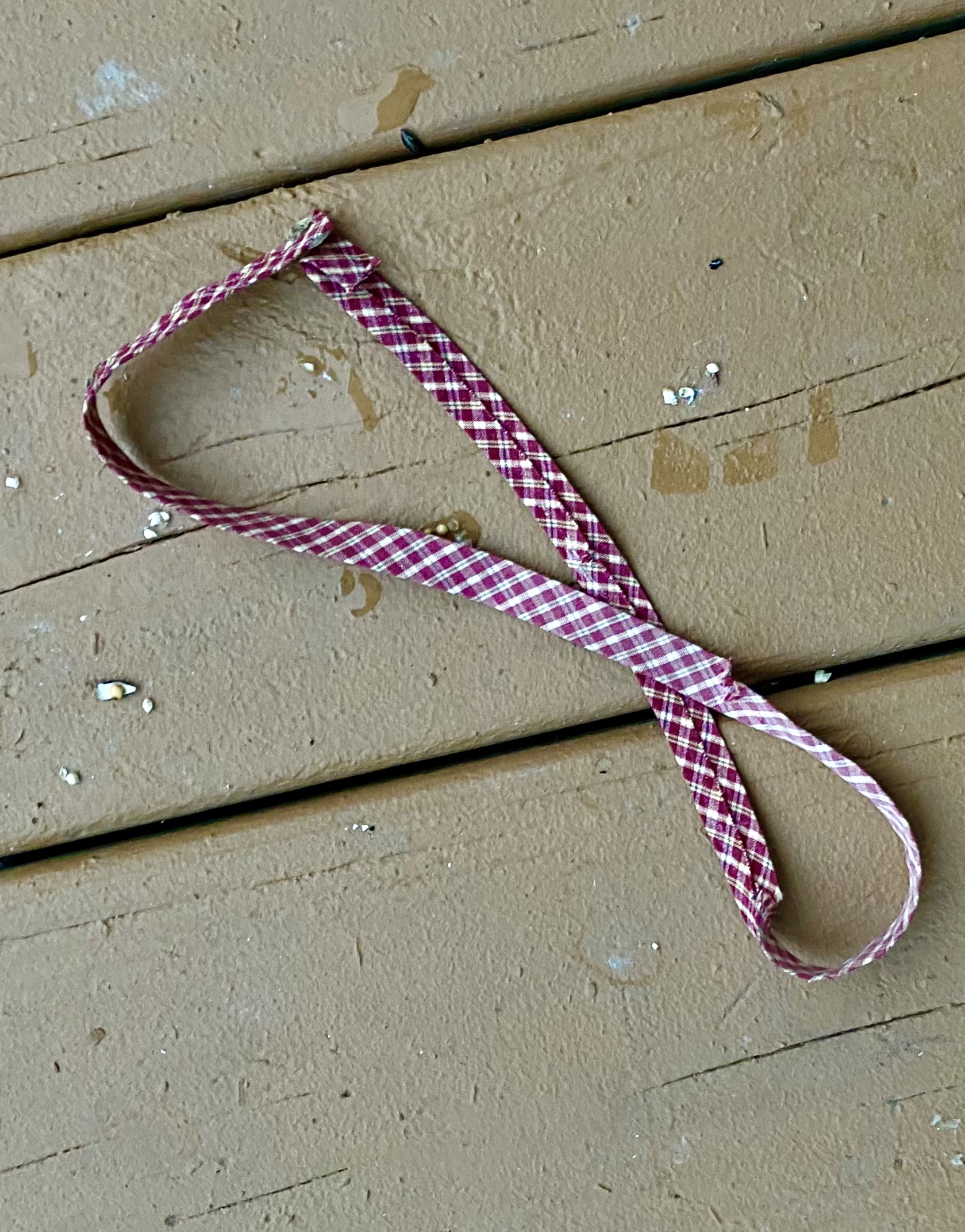
Here in Pennsylvania, the pattern holds: a bird-feeding friend in western PA shared three photos of gifts left by crows—a man’s tie, a rubber band, a bit of fluff (see below)—placed deliberately on the porch adjacent to her daily peanut feeding station.

Scientists like Marzluff caution that intent remains tricky (is it true reciprocity, or is it learned conditioning where dropped trinkets prompt more peanuts?), but a 2014 study from Austria’s Konrad Lorenz Institute found ravens and crows far more eager to exchange objects with familiar humans than with strangers, supporting social reciprocity over mere conditioning.

When next you spot a flock of crows (the medieval phrase “murder of crows” is falling into disuse) gathering in your yard, don’t consider it ominous. It’s elite wildlife intelligence at work—sharper than your dog in memory and mechanics, with a dash of mysterious generosity. Your next backyard visitor might just leave you a gift.

Loved this glimpse into nature’s hidden wonders? Subscribe for weekly insights on animals, empathy, and living thoughtfully. Visit: https://thekindlife.substack.com/

Crow gift photos – anonymous
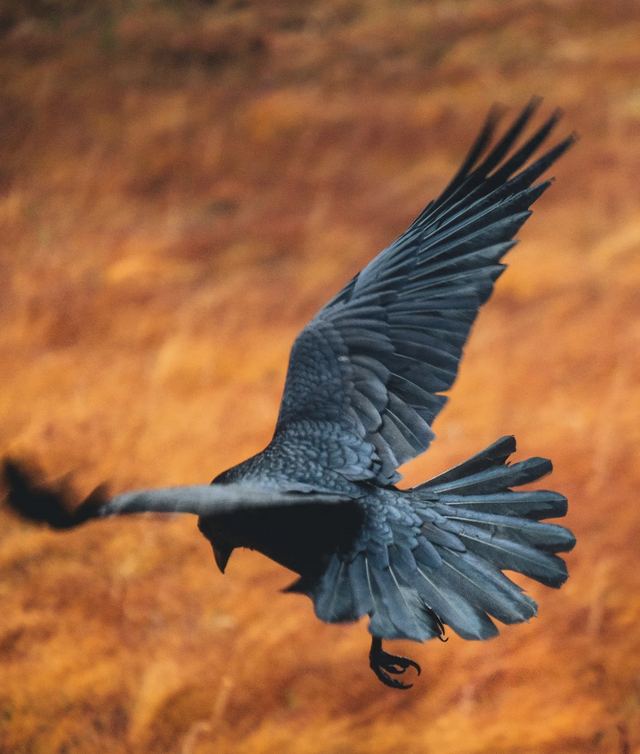
Crow photo courtesy of Sonny Mauricio