
Elephants have vigils and rituals for their dead. A glimpse into animal emotions.
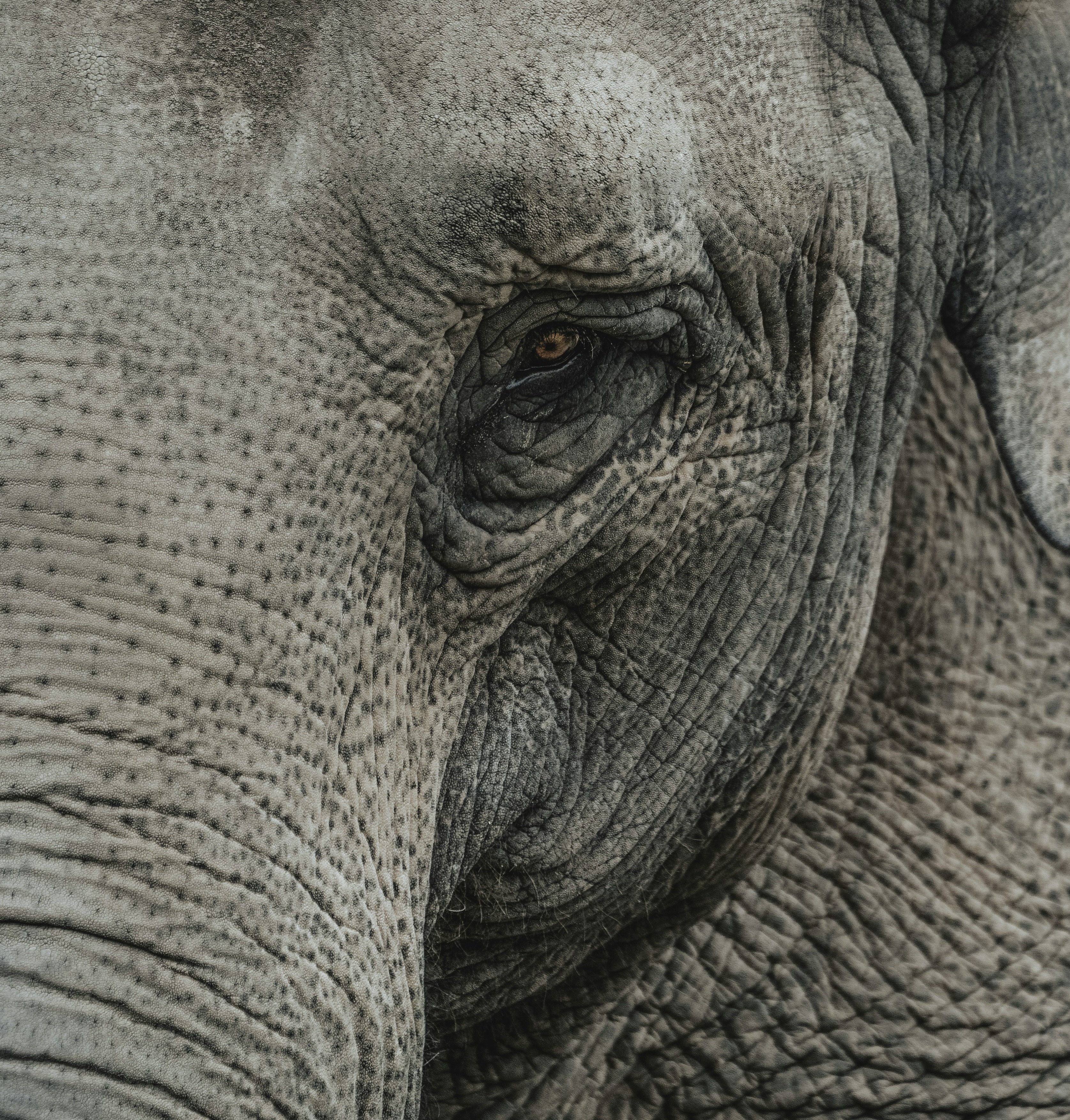
Field guides, trackers, and researchers have seen it again and again: Elephants do something extraordinary when they pass the body or remains of another elephant—they stop, become still, and then gently and slowly caress the elephant with the tips of their trunks. They emit low rumbling sounds and distress calls. They drag over branches or tear up grasses and cover the carcass gently. They do this ritual even if the elephant was not part of their herd. Elephants show no interest in the carcasses of other species.
When they come upon a dying elephant, their behavior is more active, protective, and interventional. They try to lift and prop up the elephant, clustering around it and bracing it front and back to keep it upright. They trumpet and roar and guard the dying elephant—some facing outward and some tending the elephant.
Mother elephants are at the heart of some of the most haunting accounts of elephant grief. Researchers and rangers describe elephant cows staying with a stillborn or dead calf for days, trying desperately to lift and nudge the body. An Asian elephant near Tumkur, India, was recorded jostling her lifeless calf for more than 24 hours, her ears fluttering in distress. A group of 12 adults gathered around her, apparently trying to console her. In multiple documented cases, mothers have lifted dead calves with their trunks and carried them for days.
Scholars of animal sentience, such as Marc Bekoff, Frans de Waal, and Jonathan Bird, argue that the question is no longer whether animals feel, but why sentience evolved—and why we keep doubting it. Their point is disarmingly simple: if an animal screams when injured, plays when safe, and shows every outward sign of distress when its young dies, insisting we “need more data” before acknowledging its experience becomes less about scientific caution and more about moral convenience. Elephants—with their vigils, their bone caresses, and their attempts to care for a dying tribe member—push that discomfort to the surface.
When an elephant stands over the bones of a long-dead companion, falling into stillness and tracing the skull with her trunk, she invites us to widen our circle of empathy—and to admit that grief may not be ours alone. We can choose to label that behavior as mere instinct, or we can acknowledge that we are watching another intelligent, deeply social species grapple with loss in its own way.
Loved this glimpse into nature’s wonders? Subscribe for weekly insights on animals, empathy, and living thoughtfully. https://bit.ly/4cIP06h
 Untold Animal Stories